

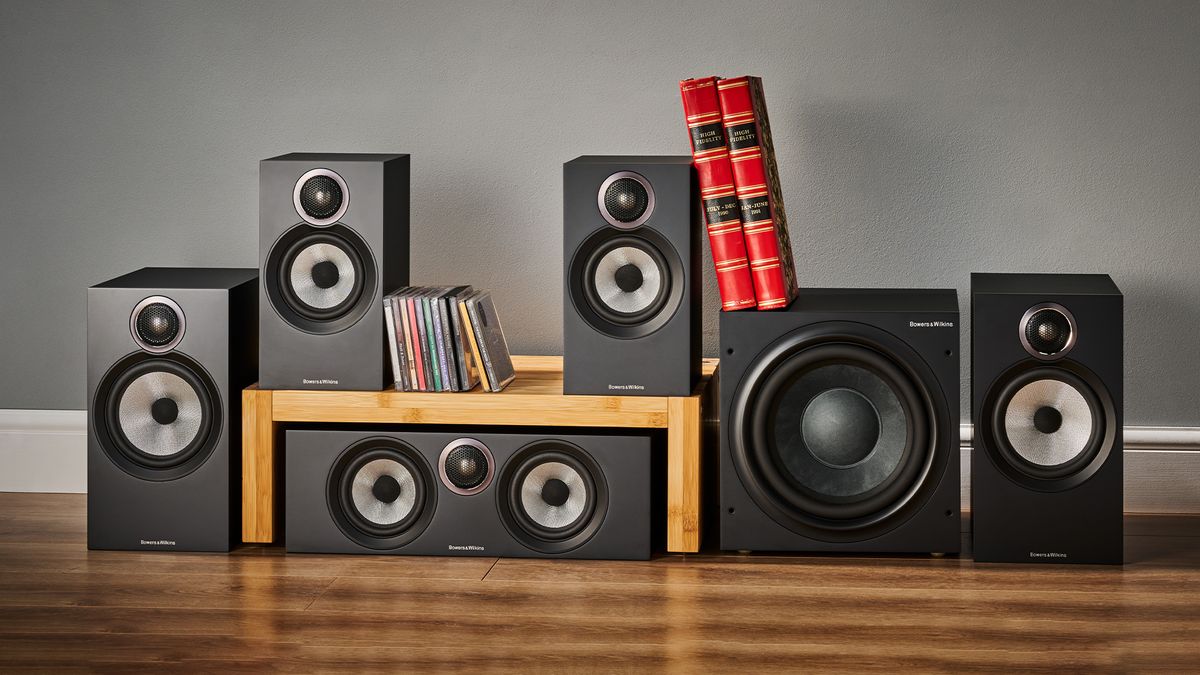
Sound calibration is a crucial yet often overlooked aspect of setting up a home theater system. Proper calibration ensures that your audio equipment performs optimally and delivers the best possible sound experience. Whether you’re an audiophile or a casual viewer, understanding and implementing sound calibration can make a significant difference in your home entertainment setup. Here’s why sound calibration matters and how you can achieve the best audio from your home theater.
Why Sound Calibration is Essential
- Optimal Sound Quality
Sound calibration adjusts your audio system to deliver the clearest, most accurate sound. Without calibration, your speakers may not perform to their full potential, resulting in distorted audio, unbalanced sound, or poor clarity. Calibration ensures that all audio elements—dialogue, music, and sound effects—are reproduced faithfully, enhancing your overall listening experience.
- Balanced Audio Across the Room
Every room has unique acoustic properties that affect how sound travels and is perceived. Factors such as room size, shape, furniture, and wall materials can influence audio quality. Calibration helps to balance sound levels across the room, ensuring that audio is evenly distributed and that no area is overly loud or too quiet. This results in a more immersive and consistent listening experience for everyone in the room.
- Accurate Speaker Performance
Proper calibration ensures that each speaker in your home theater system performs as intended. It adjusts the volume, distance, and timing of each speaker to match the acoustics of your room. This process helps to eliminate issues such as sound delays or phase problems, which can affect the coherence and clarity of the audio.
- Enhanced Immersion
For home theater systems, calibration is crucial for achieving a truly immersive experience. By optimizing speaker placement and sound settings, calibration creates a more realistic and engaging audio environment. This is especially important for movies and games, where precise audio placement can enhance the sense of immersion and make you feel like you’re part of the action.
How to Calibrate Your Sound System
- Use a Calibration Tool
Many modern AV receivers and home theater systems come with built-in calibration tools that simplify the process. These tools typically include a calibration microphone that measures sound levels and adjusts settings automatically. Follow the instructions provided with your equipment to run the calibration process, which usually involves placing the microphone in various positions around the room.
- Manual Calibration
If your system lacks automatic calibration tools, or if you prefer a more hands-on approach, you can manually calibrate your sound system using test tones and an SPL (Sound Pressure Level) meter. Start by setting the speaker levels to a reference level using the test tones provided by your receiver. Adjust the volume of each speaker until they are balanced according to the SPL meter readings. Additionally, adjust the crossover frequency and speaker distances to match your room’s acoustics.
- Consider Room Acoustics
Take into account the acoustic characteristics of your room. Room treatments such as acoustic panels, bass traps, and diffusers can help to control sound reflections and improve overall audio quality. Experiment with speaker placement and room treatments to optimize the sound in your space.
- Fine-Tune Settings
After the initial calibration, fine-tune your audio settings to suit your preferences. Adjust equalizer settings, dialogue enhancement features, and sound modes to achieve the desired audio balance. Listen to various types of content to ensure that the sound settings work well across different genres and formats.
- Recalibrate Periodically
Over time, changes in your room or audio equipment can affect sound quality. Recalibrate your system periodically to account for any changes in room acoustics, speaker placement, or equipment performance. Regular recalibration helps maintain optimal sound quality and ensures that your home theater system continues to deliver the best audio experience.
Conclusion
Sound calibration is a vital step in setting up a home theater system, ensuring that you get the most out of your audio equipment. By optimizing sound quality, balancing audio across the room, and enhancing speaker performance, calibration creates a more immersive and enjoyable listening experience. Whether you use automatic calibration tools or manual adjustments, taking the time to calibrate your sound system will result in clearer, more accurate audio and a more engaging home theater experience. Don’t overlook this important step—investing in proper sound calibration is key to achieving the best possible audio from your home theater setup.
