

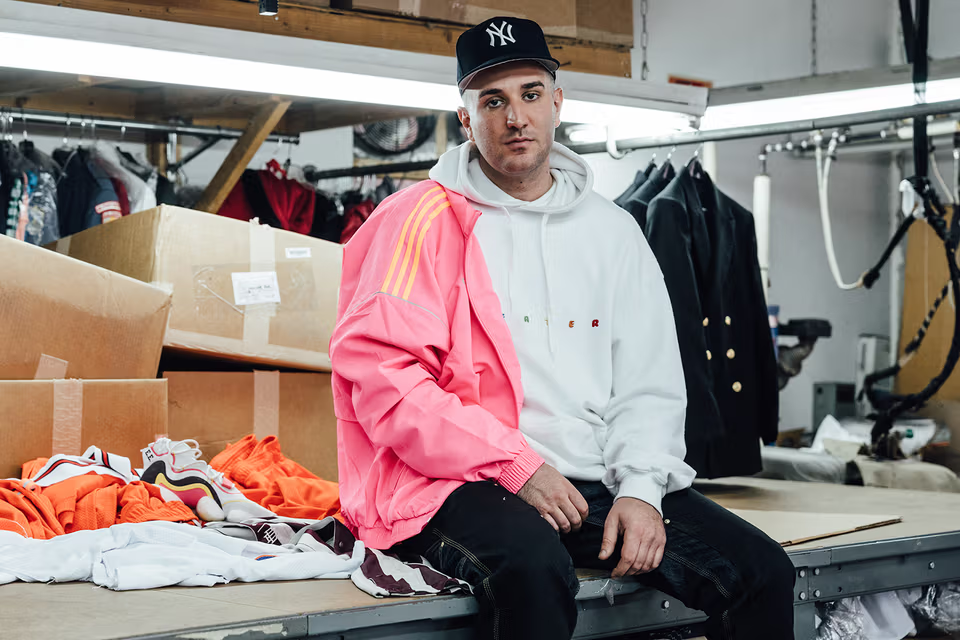
Streetwear has evolved from underground subcultures into one of the most powerful forces in global fashion. What started on skate parks, basketball courts, and city streets has now become a multi-billion-dollar industry influencing luxury houses, pop culture, and youth identity worldwide. Within this dynamic environment, a few visionary designers have managed to stand out and shape the culture. One of those designers is Eric Emanuel, whose brand transformed a simple sports garment into a globally recognized fashion statement.
Eric Emanuel’s journey is a story of creativity, cultural awareness, and relentless dedication. By blending nostalgia, sports culture, and modern street style, he built a brand that resonates with athletes, celebrities, and everyday fashion enthusiasts alike. To fully understand his success, it is important to examine the path he took, the philosophy behind his designs, and how his work connects with other influential streetwear brands like Stüssy and the modern expressive label Mixed Emotion.
The Early Life of Eric Emanuel
The story of ee Shorts begins far from the runways of Paris or Milan. Born and raised in New York, Emanuel grew up surrounded by sports culture, particularly basketball. The vibrant energy of basketball courts, varsity jerseys, and the bold aesthetics of 1990s sportswear deeply influenced his creative vision. These early experiences would later become the foundation of his brand’s identity.
Instead of following a traditional fashion path, Emanuel’s journey into design began through experimentation and passion. He started by creating custom sports-inspired clothing pieces that reflected the athletic culture he admired. His early work focused heavily on basketball uniforms and vintage sports aesthetics. These designs quickly gained attention among niche streetwear communities that appreciated authenticity and originality.
What made Emanuel unique was his ability to see fashion potential in everyday sportswear. While many designers focused on complex garments, Emanuel found inspiration in simple athletic clothing and reimagined it through a premium streetwear lens.
The Birth of the Eric Emanuel Brand
The official brand by Eric Emanuel launched in 2015, and from the beginning it aimed to redefine sportswear in street fashion. The brand quickly became known for its colorful mesh basketball shorts, which soon became its signature item. These shorts were not just ordinary athletic wear. Emanuel redesigned them with premium fabrics, bold colorways, and a tailored fit that made them both stylish and comfortable. Inspired by vintage gym uniforms and classic basketball culture, the shorts captured a sense of nostalgia while remaining fresh and modern. The concept was simple but powerful: take a familiar sports garment and elevate it into a luxury streetwear item. At first glance, basketball shorts might seem like an unlikely product to build a global brand around. However, Emanuel understood that fashion often thrives on reinterpreting everyday items. By refining the design, emphasizing quality, and creating limited releases, he turned the shorts into a highly sought-after product.
The Power of Nostalgia and Sports Culture
One of the key reasons behind Eric Emanuel’s success is his ability to blend nostalgia with contemporary style. His designs are heavily influenced by 1990s basketball aesthetics, varsity graphics, and the visual culture surrounding sports. This nostalgic element resonates strongly with modern audiences. Many people associate sports uniforms with childhood memories, school teams, or cultural icons from the past. By bringing these references into modern streetwear, Emanuel created clothing that feels both familiar and exciting. His brand also reflects the deep connection between sports, music, and street culture. Basketball players, hip-hop artists, and influencers quickly adopted his designs, helping the brand grow organically through cultural relevance.
Signature Product The Iconic Mesh Shorts
The most recognizable product from the Eric Emanuel brand is the mesh basketball short. These shorts are known for their lightweight materials, vibrant colors, and distinctive “EE” logo. The design is simple but carefully crafted. Emanuel chose breathable mesh fabric, a relaxed fit, and bold color palettes that stand out on the streets. These features made the shorts comfortable enough for sports while stylish enough for everyday wear. Over time, the shorts became a symbol of modern streetwear culture. Limited weekly releases created hype and excitement among fans, with many drops selling out within minutes. This strategy of limited production also increased the exclusivity of the brand. Fans eagerly awaited each new drop, making every release feel like a special event.
Strategic Collaborations
Another major factor in Eric Emanuel’s growth has been strategic collaborations with well-known companies and sports brands. Collaborations with major sportswear companies helped expand his audience and strengthen the credibility of his designs. Notably, Emanuel partnered with brands like Adidas and Reebok to create special collections that blended sports performance with street fashion. These collaborations introduced the brand to sneaker culture and athletic fashion markets. By combining his distinctive design style with established sportswear platforms, Emanuel was able to reach a much larger global audience.
The Influence of Streetwear Culture
To understand Eric Emanuel’s success, it is important to look at the broader streetwear culture that shaped the industry.
The Stussy Streetwear emerged from youth subcultures such as skateboarding, surfing, and hip-hop. Over time, these movements influenced fashion in ways that traditional designers could not ignore. Streetwear brands often emphasize authenticity, community, and cultural identity rather than traditional luxury aesthetics.
One of the earliest and most influential brands in this movement is Stussy. Founded in the early 1980s by Shawn Stussy, Stüssy originally started as a surfboard company in California before evolving into a clothing brand. The founder began by writing his signature on surfboards, which later became the brand’s iconic logo. Stüssy’s influence expanded rapidly as it connected surf culture with skateboarding and hip-hop communities. By the early 1990s, it had become one of the first global streetwear brands and helped define the visual language of the movement. Many modern designers, including Eric Emanuel, operate in a world shaped by the groundwork laid by brands like Stüssy.
Modern Streetwear and Emotional Expression
While classic streetwear brands often focus on logos and subcultural identity, newer brands emphasize personal expression and emotional storytelling. One such example is Mixed Emotion. The brand was founded by Ronald Rice, who built the label around the concept that clothing should reflect human emotions and real-life experiences. The designs focus on clean streetwear aesthetics combined with expressive graphics and themes related to identity, ambition, and personal growth. The idea behind Mixed Emotion is that fashion is not just about trends but about communicating feelings and individuality. Each piece is meant to represent the complexity of everyday life — the “mixed emotions” that people experience daily. This approach highlights how streetwear continues to evolve. While earlier brands emphasized subculture identity, newer labels focus on emotional connection and personal storytelling.
Building a Cultural Community
One of the most powerful aspects of Eric Emanuel’s brand is the community that surrounds it. Streetwear brands rarely succeed through traditional advertising alone. Instead, they grow through cultural relevance and community engagement. Emanuel understood this early in his career. His designs gained visibility through social media, celebrity endorsements, and organic streetwear culture. When athletes, musicians, and influencers began wearing his pieces, the brand quickly became associated with authenticity and credibility. This type of cultural adoption is extremely valuable in streetwear. Unlike traditional fashion, streetwear relies heavily on community participation and cultural influence.
Challenges in the Streetwear Industry
Despite its success, the streetwear industry is highly competitive. New brands appear every year, and trends change rapidly. Designers must constantly innovate while maintaining their brand identity. For Eric Emanuel, one of the challenges has been expanding beyond his signature product while maintaining the brand’s authenticity. While his shorts remain the centerpiece of the brand, the label has gradually expanded into hoodies, t-shirts, and other casual wear. Balancing innovation with consistency is a difficult task for any designer. However, Emanuel’s strong brand identity has helped him maintain relevance in a constantly evolving fashion landscape.
The Future of Eric Emanuel
Today, Eric Emanuel stands as one of the most recognizable figures in contemporary streetwear. His brand continues to grow through collaborations, limited drops, and creative designs inspired by sports culture. The future of the brand looks promising. As streetwear continues to influence mainstream fashion, designers like Emanuel are positioned to play an even larger role in shaping global style trends. More importantly, his story serves as inspiration for aspiring designers. It proves that success in fashion does not always require traditional luxury roots. Sometimes, all it takes is a strong vision, cultural awareness, and the courage to reinvent something simple.
Conclusion
The journey of Eric Emanuel is a powerful example of how creativity and authenticity can build a global brand. By transforming basketball shorts into a symbol of street fashion, he created a unique identity within a competitive industry. His work exists within a larger streetwear tradition shaped by pioneers like Stüssy, while also sharing similarities with modern expressive labels such as Mixed Emotion. Together, these brands represent different eras and philosophies within streetwear — from surf and skate culture to emotional storytelling and sports nostalgia.
