

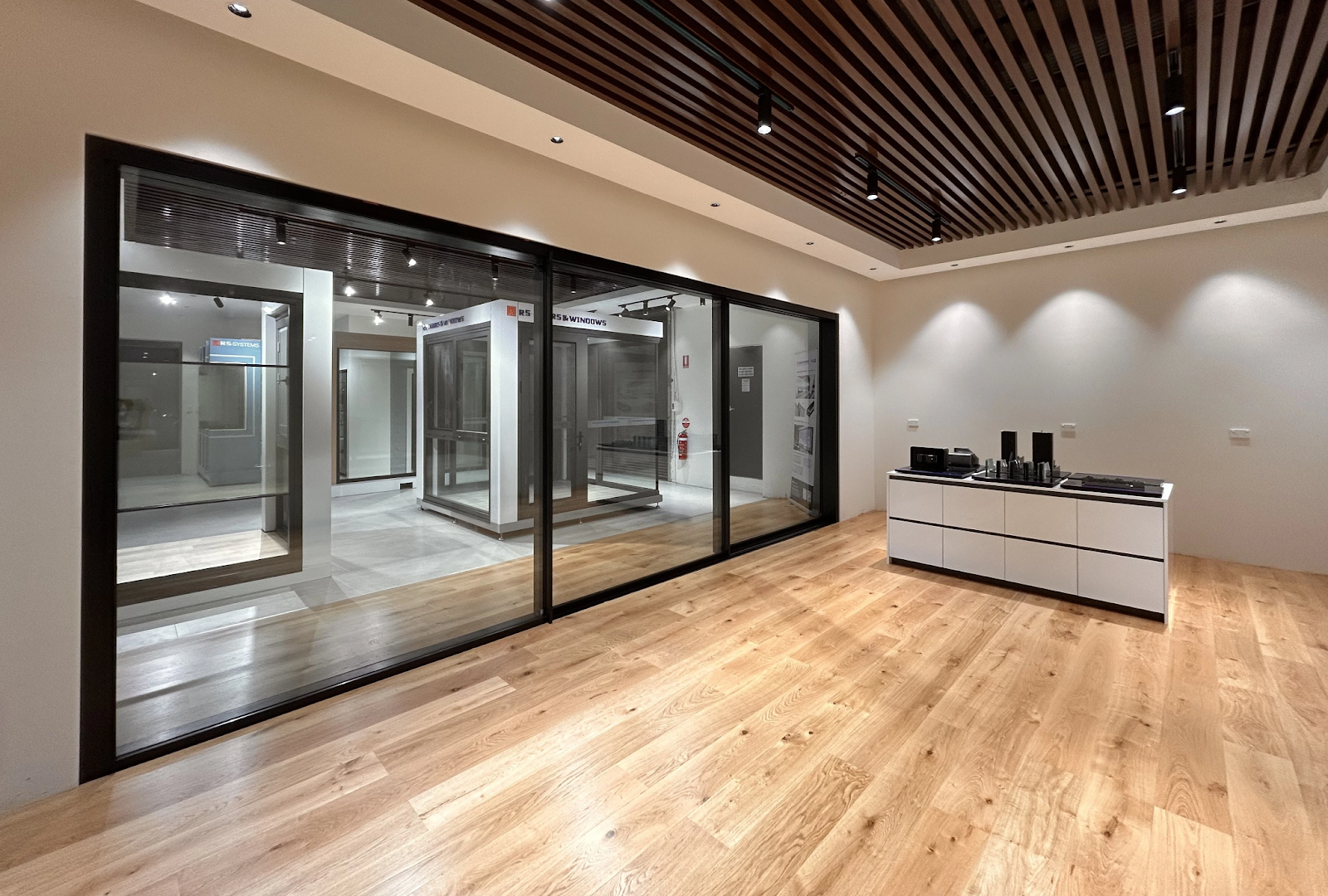
In the realm of residential architecture, the trend toward expansive glass openings has never been more prominent. Large sliding glass doors serve as a bridge between the comfort of the interior and the beauty of the outdoors, flooding living spaces with natural light and providing a panoramic view of gardens, patios, or cityscapes. However, these large spans of glass often represent the most significant vulnerability in a home’s security profile. Traditional sliding doors frequently rely on simple latches that can be easily manipulated or glass panels that offer little resistance to impact. This has led to a surge in innovation for high-performance secondary barriers that protect these wide openings without obstructing the view.
The challenge for the modern homeowner is finding a solution that covers a large surface area, often spanning several meters, while maintaining the structural rigidity required to repel an intruder. This is where the engineering of heavy-duty screen systems becomes vital. It is no longer just about keeping insects at bay; it is about creating a “second skin” for the home that is as tough as it is transparent.
The Engineering Behind Wide-Span Security
When protecting a standard single door, the frame is relatively compact and easy to reinforce. However, when you move into the territory of double sliding configurations, the physics of security change. A wider span means more potential leverage points for a perpetrator. To counter this, premium security systems utilize high-tensile stainless steel mesh, specifically 304 or 316 marine-grade, which is woven into a dense, puncture-resistant fabric.
This mesh is not simply snapped into a frame. In high-end models, it is integrated using a sophisticated “pressure fit” or “clamping” system. This ensures that the mesh remains taut and seated within the architectural aluminum frame even under extreme pressure. For double sliding setups, the meeting point, where the two sliding panels lock together, is the most critical area. Rather than a simple hook, these systems employ interlocking “meeting stiles” that overlap and grip one another, creating a continuous wall of metal that resists prying and jemmying.
Optimizing Airflow and Natural Light
One of the primary reasons homeowners install large sliding doors is to enjoy the breeze. In many climates, the ability to open up the back of the house can naturally cool the interior by several degrees, reducing the reliance on expensive air conditioning. However, leaving glass doors wide open can feel like an invitation to unwanted guests or local wildlife.
High-performance security screens solve this by offering nearly 100% ventilation. The aperture of the stainless steel weave is fine enough to block even tiny midges and mosquitoes, yet open enough to allow air to flow freely. Because the mesh is coated in a non-reflective black finish, it actually improves visual clarity from the inside looking out. It reduces glare from the sun, making the backyard look more vibrant while simultaneously acting as a privacy screen. From the street or a neighbor’s yard, the mesh reflects light in a way that makes it difficult to see into the darkened interior of the home during daylight hours.
The Necessity of Multi-Point Locking Mechanisms
A security door is only as effective as its locking hardware. For large-scale sliding systems, a single central lock is insufficient. To meet rigorous safety standards, these doors are equipped with multi-point locking systems. When the handle is engaged, internal rods move to secure the door at the top, center, and bottom of the frame simultaneously.
This three-point contact ensures that the door cannot be lifted out of its tracks, a common tactic used by intruders to bypass older sliding door models. Furthermore, the cylinders used in these locks are often “anti-snap” and “anti-pick,” providing a digital-age level of mechanical security. For double doors, this locking system is even more robust, often featuring “active” and “passive” leaf configurations that ensure both panels are anchored firmly to the structure of the house.
Durability and Environmental Resilience
Because sliding doors are often the primary exit to a backyard or pool area, they are subjected to significant wear and tear. They must withstand constant movement, exposure to UV rays, and, in many regions, the corrosive effects of salt air or high humidity.
Investing in a high-quality replacement system means looking for materials that won’t degrade over time. Marine-grade 316 stainless steel is the preferred choice for its molybdenum content, which prevents the “tea staining” or surface rust often seen on lower-quality metals. When combined with a high-durability powder coating, these screens require very little maintenance, usually just a simple wash with mild detergent every few months, to maintain their structural integrity and aesthetic finish for decades.
Aesthetic Integration with Modern Facades
Historically, security products were seen as an eyesore, bulky, industrial, and “prison-like.” Modern manufacturing has completely overturned this perception. Today’s security frames are sleek and minimalist, designed to sit flush against existing door tracks. They can be powder-coated in hundreds of different colors to match the specific “Joinery” or trim of your home.
For those with timber-framed homes, manufacturers even offer wood-grain finishes that mimic the look of natural oak or cedar while providing the strength of steel. This allows a homeowner to upgrade their safety without sacrificing the architectural character of their property. Whether your home is a contemporary masterpiece or a traditional suburban residence, the goal is for the security screen to be felt, not seen.
The Value of Professional Customization
Unlike standard fly screens that you might find at a local hardware store, professional-grade security screens are custom-built to the millimeter. This is especially important for double sliding configurations, where even a slight misalignment can lead to gaps that compromise both the security and the insect-proofing of the unit.
A professional installation includes a comprehensive site survey to check the “squareness” of the existing door frame. If a house has settled over time, the frame may be slightly out of alignment. A custom-built security screen accounts for these imperfections, ensuring a tight seal and smooth operation. This bespoke approach also allows for the integration of “pet doors” or specialized tracks that can accommodate zero-threshold entries for accessibility.
Upgrading Your Perimeter
Deciding to replace aging, ineffective screens is a significant step toward a safer and more comfortable lifestyle. It is about taking control of your environment, allowing the “good” elements like fresh air and light in, while keeping the “bad” elements out. When you consider the longevity of these systems, they often prove to be more cost-effective than cheaper alternatives that require frequent repair or replacement.
Security Screen Doors Double Sliding Screen Doors Replacement options are now more versatile than ever, allowing you to secure even the widest of architectural openings. By choosing a system that prioritizes high-tensile mesh and multi-point locking, you ensure that your home’s most beautiful feature, its connection to the outdoors, is also its most secure.
Final Thoughts on Home Safety
A home should be a sanctuary where safety is a constant, not a concern. By hardening the entry points of your residence with high-performance security screens, you create a barrier that works 24 hours a day, regardless of whether you are home or away. It is a physical investment that provides a psychological return, giving you the peace of mind to enjoy your living space to its fullest potential.
