

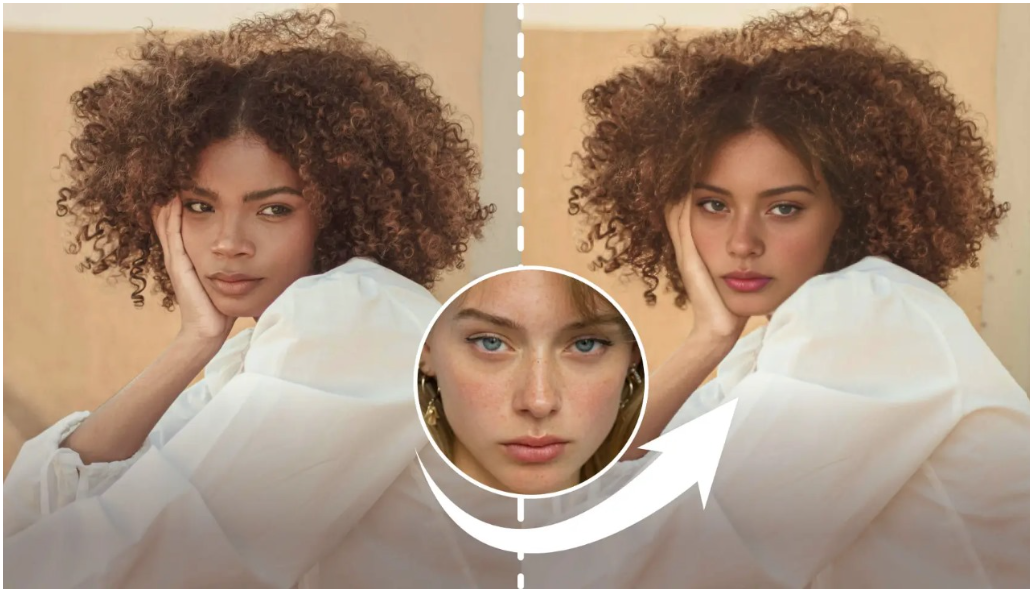
In today’s fast-evolving digital world, creativity meets technology in some truly fascinating ways. One of the most exciting advancements in AI-driven media tools is the FaceSwap API — a technology that allows developers, creators, and businesses to seamlessly swap faces in photos or videos using artificial intelligence.
From entertainment and marketing to personalized content creation, face-swapping has become more than just a fun filter — it’s a powerful tool that’s reshaping how we tell stories, advertise products, and connect online.
Let’s explore how the FaceSwap API works, its real-world uses, and how you can integrate it into your projects to enhance user experience and creativity.
What Is a FaceSwap API?
A FaceSwap API is an application programming interface that allows software applications to perform realistic face swaps — meaning it can replace one person’s face with another in a photo or video, while preserving facial expressions, lighting, and natural details.
Unlike old-school photo-editing tricks, modern face-swapping technology uses deep learning and AI to analyze facial structure, skin tone, and movement. This ensures that the final result looks authentic and seamless — almost indistinguishable from real footage.
One of the best examples of such technology is the faceswap api by VModel AI, which offers incredibly high-quality face-swapping capabilities. It’s designed for developers, marketers, and creators who want to add personalized experiences or creative features to their apps, websites, or social media projects.
How Does FaceSwap API Work?
Face-swapping isn’t just about copy-pasting a face — it’s a sophisticated AI process. Here’s a quick look at how it works behind the scenes:
- Facial Recognition – The API identifies key facial landmarks such as the eyes, mouth, and jawline.
- Feature Mapping – It analyzes skin tone, lighting, and facial symmetry to ensure the swap looks natural.
- Face Alignment – The new face is digitally “aligned” to match the target’s orientation and expression.
- Blending and Rendering – AI blends the two faces together, matching textures and lighting to create a realistic composite image.
This all happens in a matter of seconds — making it possible for apps and platforms to generate personalized, high-quality results instantly.
Why Developers and Brands Are Using FaceSwap APIs
Face-swapping might sound like a novelty, but it’s quickly becoming an essential feature across industries. Let’s explore some real-world examples:
🎥 1. Entertainment and Social Media
Social media apps like Snapchat and TikTok pioneered the idea of filters and augmented reality. But now, with APIs like VModel’s FaceSwap, developers can create custom filters or mini-games where users can swap faces with celebrities, friends, or fictional characters.
🛍️ 2. E-commerce and Virtual Try-ons
Imagine trying on a new hairstyle, outfit, or makeup look — but with your actual face. Brands are now using face-swapping technology to create personalized virtual try-on experiences, boosting engagement and conversions.
🧑💻 3. Marketing and Branding
Businesses can use FaceSwap APIs to create customized ad campaigns. For instance, a brand can allow customers to upload their photos and see themselves in promotional visuals — making the campaign interactive and memorable.
🎮 4. Gaming and Virtual Worlds
In the gaming industry, FaceSwap APIs can allow players to put their real faces onto avatars, making gaming experiences more immersive and personal.
🧠 5. Education and Training
Even in e-learning, instructors or companies can use AI face-swapping tools to create multilingual or culturally adapted content without reshooting entire videos — simply by swapping faces or syncing lips with translated audio.
Integrating FaceSwap API: How Easy Is It?
Integrating a FaceSwap API is surprisingly simple. Most APIs (like VModel’s FaceSwap API) provide developers with detailed documentation and endpoints for uploading, swapping, and retrieving results.
Here’s a general process:
- Get API Access – Sign up with a provider and obtain an API key.
- Upload Images or Video Frames – Send the source and target images to the API.
- Process Request – The API performs face detection and swapping.
- Retrieve the Output – You’ll receive a downloadable image or video file with the swapped face.
Because it’s cloud-based, it doesn’t require heavy computing power — making it ideal for mobile and web apps that need fast and scalable results.
The Rise of AI-Driven Content: Beyond Just Face-Swapping
Face-swapping is just one piece of a larger AI revolution in media creation. Another powerful tool emerging alongside it is the Talking Head AI technology.
With a talking head model, static images can be brought to life — turning a still portrait into a moving, speaking character. This is ideal for businesses that want to create realistic spokesperson videos, personalized greetings, or even AI-powered virtual assistants.
Together, FaceSwap and Talking Head AI form a creative powerhouse:
- You can swap faces to personalize visuals.
- Then animate those faces using AI to create lifelike speaking avatars.
Imagine creating a marketing video where a user’s own face delivers the message — fully generated by AI!
Ethical Considerations and Responsible Use
As exciting as this technology is, it’s equally important to use it responsibly. AI-generated media, including face swaps and talking heads, can be misused for misinformation or privacy violations if not properly handled.
Here are a few tips for ethical and transparent use:
- Always get consent from the individuals whose faces are being used or swapped.
- Avoid deceptive content — use disclaimers if your media is AI-generated.
- Use trusted APIs that comply with data protection laws and offer secure data handling.
When used ethically, FaceSwap APIs open doors to creativity and personalization that were once impossible — all while respecting privacy and integrity.
Practical Tips for Getting the Best Results with FaceSwap API
If you’re planning to integrate or use a FaceSwap API for your project, here are some quick tips to get high-quality results:
- Use high-resolution images – The clearer the input, the better the swap.
- Match lighting and angles – Ensure both source and target faces have similar lighting conditions.
- Check skin tones – APIs like VModel’s FaceSwap automatically adjust tones, but closer matches yield more realistic results.
- Experiment with expressions – Neutral or smiling faces tend to blend best for natural-looking swaps.
- Combine with animation tools – Pair with a Talking Head AI tool to bring static results to life.
The Future of FaceSwap Technology
We’re still at the early stages of what AI-based media generation can achieve. In the near future, expect FaceSwap APIs to become even faster, more realistic, and capable of handling complex scenes — like group photos or full-length videos.
AI models will also become smarter about emotion preservation — meaning your swapped face will not only look like you, but also carry your expressions and personality more accurately.
As this technology matures, industries from fashion and film to healthcare and education will increasingly rely on it for dynamic, customized, and inclusive content creation.
Final Thoughts
The FaceSwap API represents the perfect blend of fun, creativity, and innovation. Whether you’re a developer, content creator, or brand marketer, this technology lets you reimagine what’s possible in visual storytelling.
By integrating tools like faceswap api and complementing them with AI solutions such as talking head, you can create stunning, personalized, and engaging experiences for your users — all powered by the next generation of artificial intelligence.
Used ethically and creatively, these tools can transform the way we express ourselves, market products, and connect with audiences around the world.
