

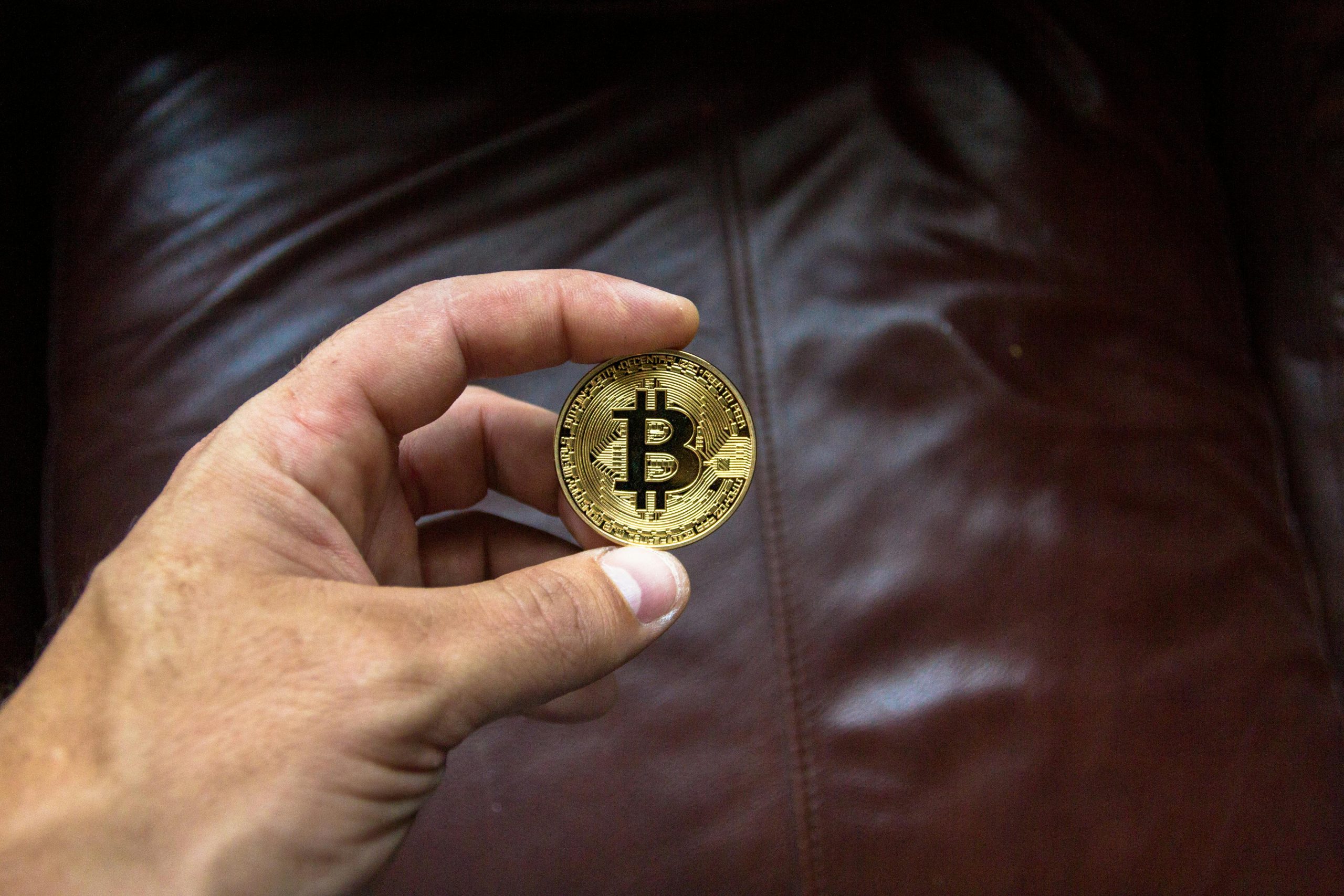
From dramatic highs to head-scratching lows, Bitcoin’s global price movements continue to fascinate the tech world. Here’s what’s been driving the shifts, and what enthusiasts should keep an eye on.
If you’ve spent any time in the tech space over the last decade, you’ll know that Bitcoin isn’t just a currency; it is a recurring headline, a debate starter and sometimes the cause of a few late-night refreshes of a price chart you promised yourself you wouldn’t obsess over.
The Bitcoin price has become somewhat of a cultural marker within the technology community: When it surges, the internet reacts; when it dips, the internet reacts even louder. Somewhere in between, people furiously debate whether Bitcoin represents the future of finance or just the world’s most unpredictable experiment.
A look at global price development shows Bitcoin’s wild ride
Bitcoin has never been one to shy away from making an entrance. We’ve watched over the last few years as it has pushed into all-time highs, only to retreat faster than a software update that broke everything.
Market analysts point to a whole mix of factors influencing its price: Global inflation concerns have pushed some investors to seek Bitcoin as a hedge, while sudden drops in markets often correlate with interest rate decisions or political instability. Add to the mix technological developments and crypto adoption trends and you’ve got a recipe for constant movement.
Tech markets themselves are partly responsible for this too: Advances in blockchain efficiency, improvements in digital wallets and the growth of decentralised applications all contribute to renewed enthusiasm. Even better mining hardware or a spike in energy costs can nudge the price in one direction or another.
Bitcoin is a tech product with financial consequences. It updates, it evolves, it occasionally glitches and people respond accordingly.
Tech’s influence on market sentiment
If there’s one thing the tech world loves, it’s innovation. And Bitcoin certainly has plenty of that built into it.
Announcements by major tech companies can change the mood of the crypto market overnight. A new payment integration, a fintech partnership or a blockchain pilot programme can lead investors to re-enter the market or ramp up their current holdings.
Even the rise of AI and automation has made a difference. Today, analysts use machine learning to predict patterns, and while such tools are not perfect, they do bring more of a data-driven approach to comprehending the chaotic world that is crypto. This is partly why Bitcoin resonates so strongly with a technology-focused audience: It feels like one big, live experiment in decentralisation, innovation and digital transformation.
How crypto platforms help users track Bitcoin trends
Trying to manually follow Bitcoin’s movements is much like trying to debug every bug in a newly released app. Sure, it can be done-but it’s not really ideal. This is why the leading online cryptocurrency exchange platforms have become the go-to tool for anyone who attempts to understand or deal with the market. A wide range of cryptocurrencies can be bought, sold and traded on these platforms; features range far beyond basic transactions.
You’ll find spot trading for direct buys, futures trading for those who enjoy a strategic play, earning programmes for passive gains and financial management tools to help you keep everything organised. They also publish real-time data on market trends, new listings and the most popular cryptocurrencies.
These platforms tend to underscore, when discussing price movement, the Bitcoin price with elaborate charts and indicators to help a user make sense of market volatility. For the newcomer or the experienced trader, the insights are invaluable. And for those very curious about how to get started, it is usually quite straightforward: A quick registration, a secure login and the option to open an account will get you exploring the market in minutes.
A global network shaping Bitcoin’s future
Bitcoin is not something that happens because of one region; it’s shaped by a global network of investors, regulators and tech communities.
Decisions made in Asian markets ripple often across the globe. Regulatory announcements in Europe can push the market in a cautious mood. Tech innovation hubs in North America and beyond contribute to rising adoption and ongoing development.
