

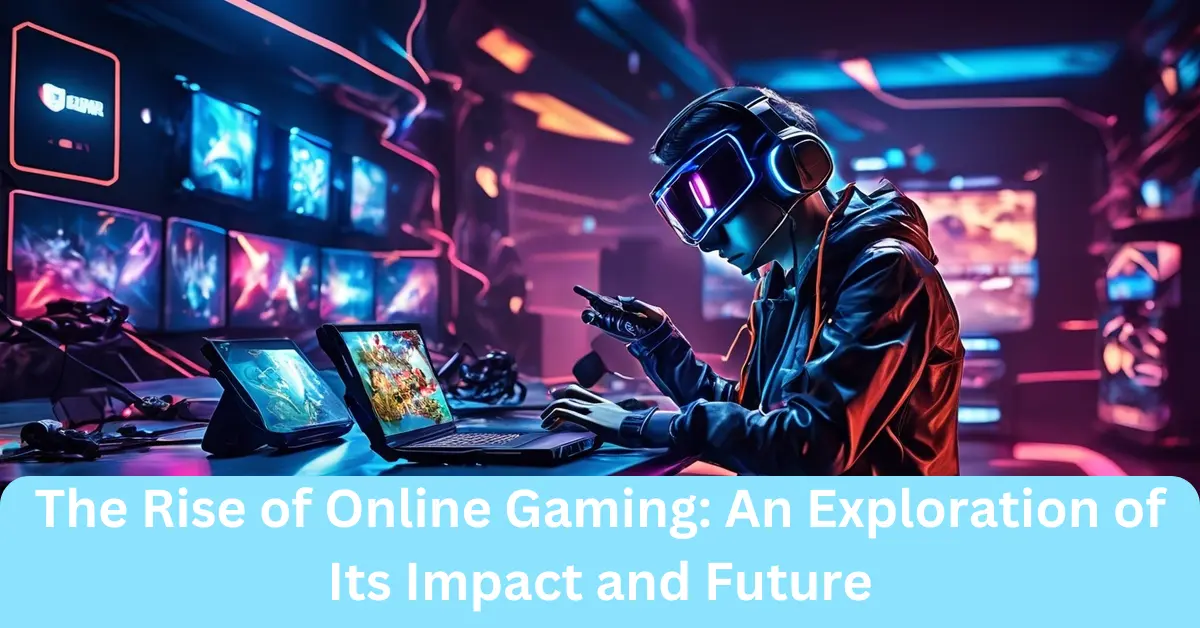
Online dewa slot has rapidly transformed into a dominant form of entertainment, captivating millions of players worldwide and reshaping how we interact, socialize, and engage with technology. With its roots in early computer networks, online gaming has evolved into a multibillion-dollar industry that continues to expand and innovate. This article delves into the history of online gaming, its social and economic impacts, the challenges it faces, and what the future may hold.
A Brief History of Online Gaming
Online gaming began in the late 1970s and early 1980s with text-based games like MUD (Multi-User Dungeon), where players could interact in virtual worlds through simple commands. The 1990s saw a significant breakthrough with the advent of the internet, leading to the development of graphical MMORPGs such as Ultima Online and EverQuest. These games introduced players to expansive digital worlds filled with quests, social interaction, and a sense of community.
By the early 2000s, World of Warcraft (WoW) further revolutionized online gaming, attracting millions of subscribers and establishing a new standard for player engagement and community building. As broadband internet became more accessible, the gaming landscape exploded, giving rise to diverse genres, platforms, and styles of play.
The Social Impact of Online Gaming
Online gaming has profoundly impacted social dynamics, creating unique environments for interaction and connection. Here are some key ways in which online gaming influences social behavior:
- Community Building: Online games foster communities through guilds, clans, and online forums. These platforms allow players to collaborate, strategize, and forge friendships that often extend beyond the game itself.
- Global Connectivity: Players from around the world can connect in real-time, transcending geographical barriers. This global interaction promotes cultural exchange, understanding, and collaboration among diverse populations.
- Shared Experiences: Online gaming provides a platform for shared experiences, from completing quests to participating in competitive eSports tournaments. These shared moments can create lasting memories and strengthen bonds between players.
- Support Systems: Many players find solace in gaming communities, where they can discuss personal challenges and mental health issues. Online gaming can serve as a supportive environment, offering companionship and understanding.
Economic Influence of Online Gaming
The online gaming industry has become a major economic force, significantly impacting global markets. Key aspects of its economic influence include:
- Revenue Generation: The gaming industry generates over $200 billion annually, surpassing the revenues of traditional entertainment sectors like film and music. This growth is driven by diverse monetization strategies, including microtransactions, subscriptions, and in-game purchases.
- Job Creation: Online gaming has created millions of jobs in various fields, from game development and marketing to eSports and streaming. The demand for skilled professionals continues to rise, contributing to economic growth.
- Investment and Innovation: The financial success of online gaming attracts investment, driving innovation in technology, game development, and marketing strategies. This influx of capital fosters new ideas and approaches, shaping the future of the industry.
Challenges in Online Gaming
While online gaming offers numerous benefits, it also faces significant challenges:
- Addiction and Mental Health Concerns: The immersive nature of online gaming can lead to excessive play and gaming addiction, particularly among younger players. It is essential for both players and developers to prioritize responsible gaming habits.
- Toxicity and Harassment: The online gaming environment can sometimes harbor toxic behavior, including bullying and harassment. Developers are increasingly implementing measures to combat toxicity, such as community guidelines and reporting systems.
- Privacy and Security Risks: Online gaming often requires players to share personal information, making them vulnerable to data breaches and cyberattacks. It is crucial for players to practice good security habits and for developers to prioritize data protection.
- Environmental Impact: The gaming industry faces scrutiny regarding its environmental footprint, from energy consumption in data centers to electronic waste. Embracing sustainable practices is essential to mitigate these concerns.
The Future of Online Gaming
The future of online gaming is promising, shaped by several exciting trends:
- Cloud Gaming: Cloud gaming services, such as Google Stadia and NVIDIA GeForce Now, allow players to stream games directly from the cloud, eliminating the need for high-end hardware. This democratization of gaming makes high-quality experiences accessible to a broader audience.
- Virtual Reality (VR) and Augmented Reality (AR): VR and AR technologies are set to revolutionize gaming, offering immersive experiences that blend the real and digital worlds. Games like Half-Life: Alyx and Pokémon GO showcase the potential for engaging gameplay that transcends traditional boundaries.
- Artificial Intelligence (AI): AI is increasingly being used to enhance player experiences through smarter NPCs, adaptive difficulty levels, and personalized gameplay. As AI technology evolves, it will further enrich the gaming landscape.
- Blockchain and NFTs: Blockchain technology enables true ownership of digital assets through non-fungible tokens (NFTs). This innovation could transform in-game economies and provide players with new ways to engage with their favorite titles.
- Cross-Platform Play: The push for cross-platform compatibility allows players on different devices to play together, fostering a more inclusive gaming environment. This trend helps break down barriers and enhances social connectivity among gamers.
Conclusion
Online slot DEWA222 has come a long way since its inception, evolving into a vital component of modern culture and entertainment. Its ability to connect people, foster communities, and create engaging narratives has solidified its place in society. While challenges like addiction, toxicity, and privacy concerns persist, ongoing efforts from developers and players aim to create healthier and more inclusive gaming experiences.
As technology continues to advance, the future of online gaming promises to be dynamic and innovative. With trends like cloud gaming, VR/AR experiences, AI integration, and blockchain innovations, players can look forward to an enriched gaming landscape that invites creativity and exploration.
In a world where digital interaction is increasingly important, online gaming offers a unique opportunity for players to embark on adventures, forge connections, and create memories that last a lifetime. The online gaming community continues to grow, shaping the future of entertainment and redefining how we interact in the digital age.
