

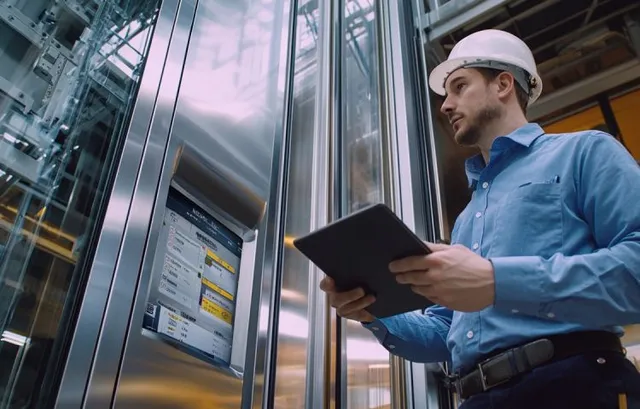
Elevators are among the most heavily regulated systems in any commercial building, yet they are also one of the most misunderstood from a risk and liability standpoint. For building owners, property managers, and asset managers, elevators represent a unique intersection of safety, legal exposure, operational continuity, and financial responsibility. When something goes wrong, whether it is an inspection failure, an injury, or prolonged downtime, the consequences can extend far beyond inconvenience. They can result in lawsuits, regulatory penalties, insurance disputes, and reputational damage.
This is where the role of an independent elevator consultant becomes critical. Unlike elevator manufacturers or maintenance contractors, elevator consultants do not sell equipment or service contracts. Their sole responsibility is to represent the interests of the building owner. By providing unbiased assessments, compliance oversight, and strategic guidance, elevator consultants play a central role in reducing liability and ensuring regulatory compliance throughout the lifecycle of an elevator system.
Understanding Elevator Liability in Commercial Buildings
Elevator liability is rarely caused by a single failure. In most cases, it results from a combination of overlooked maintenance issues, inadequate documentation, misinterpreted codes, and reliance on vendor recommendations without independent verification. When an incident occurs, investigators and insurers do not simply ask whether the elevator was working. They examine whether the owner took reasonable steps to ensure safety, compliance, and proper oversight.
Commercial building owners are legally responsible for providing safe vertical transportation. This responsibility cannot be transferred entirely to a maintenance contractor. Even when a service agreement is in place, liability often remains with the owner, especially if it can be shown that warning signs were ignored or that proper audits were not conducted.
Elevator consultants help bridge this gap by acting as an independent authority whose role is to identify risk before it becomes a legal issue.
Why Compliance Alone Is Not Enough
Many building owners assume that passing an annual inspection means their elevators are fully compliant and safe. While inspections are essential, they represent only a snapshot in time. Compliance is not a static condition. Codes evolve, usage patterns change, and equipment ages.
An elevator can pass inspection and still expose the owner to significant liability. For example, deferred maintenance items that are not code violations today may become safety hazards tomorrow. Similarly, outdated control systems may meet minimum code requirements but fail to meet current safety expectations or insurance standards.
Elevator consultants take a broader view of compliance. They evaluate not only whether an elevator meets code but also whether it aligns with best practices, risk management standards, and long-term safety planning.
Independent Oversight and Conflict-Free Risk Assessment
One of the most significant sources of liability in elevator management is conflict of interest. Maintenance contractors and manufacturers often recommend repairs, upgrades, or modernization projects that benefit their own revenue goals. While many recommendations are legitimate, others may be premature or unnecessary.
An independent elevator consultant provides conflict-free oversight. Their assessments are based on technical data, performance metrics, and regulatory requirements rather than sales objectives. This independence is crucial when evaluating safety-related recommendations, as it ensures that decisions are defensible and aligned with the owner’s duty of care.
By documenting independent evaluations, building owners create a strong paper trail that demonstrates proactive risk management. This documentation can be invaluable in the event of a claim or regulatory inquiry.
Reducing Legal Exposure Through Elevator Audits
Elevator audits are one of the most effective tools for reducing liability. A comprehensive audit examines maintenance practices, repair histories, response times, and compliance records. It identifies patterns that may not be obvious in routine service reports.
From a legal perspective, audits serve two key functions. First, they uncover hidden risks that could lead to accidents or code violations. Second, they demonstrate that the owner has taken reasonable steps to oversee elevator performance and safety.
Elevator consultants conduct audits with a focus on risk exposure. They look for recurring callbacks, unresolved deficiencies, and deviations from contract requirements. They also assess whether maintenance practices align with manufacturer guidelines and industry standards.
For building owners seeking to strengthen their risk posture, working with an independent consultant such as those outlined at The Elevator Consultant provides a structured and defensible approach to oversight.
Navigating Elevator Codes and Regulatory Requirements
Elevator codes are complex and vary by jurisdiction. They are updated regularly, and changes are not always clearly communicated to building owners. Relying solely on contractors to interpret and implement code changes can expose owners to compliance gaps.
Elevator consultants stay current with applicable codes, including safety standards, inspection requirements, and modernization triggers. They help owners understand how these regulations apply to their specific buildings and portfolios.
More importantly, consultants translate technical code language into practical action plans. This ensures that compliance efforts are not only technically correct but also operationally realistic and financially justified.
By proactively addressing code requirements, owners reduce the risk of inspection failures, enforcement actions, and insurance complications.
Managing Risk During Elevator Modernization
Modernization projects are among the highest-risk phases in an elevator’s lifecycle. They involve significant capital investment, extended downtime, and complex coordination between contractors, inspectors, and building operations.
From a liability standpoint, modernization introduces several challenges. Inadequate scope definitions, poor contractor oversight, and unclear compliance responsibilities can all lead to disputes or safety issues.
Elevator consultants play a critical role in managing modernization risk. They assist with scope development, ensuring that safety-critical components are addressed while avoiding unnecessary upgrades. They also review contractor proposals for compliance, completeness, and alignment with long-term risk management goals.
By providing independent project oversight, consultants help owners avoid costly errors that could result in future liability.
Documentation as a Liability Shield
In legal and insurance contexts, documentation is often as important as physical condition. When an incident occurs, the question is not only what happened but also what the owner knew and what actions were taken.
Elevator consultants emphasize documentation as a core risk management strategy. They help owners establish clear records of inspections, audits, recommendations, and corrective actions. This documentation demonstrates due diligence and responsible oversight.
Well-documented consultant reports can significantly strengthen an owner’s position in the event of litigation or regulatory review. They show that decisions were based on expert advice rather than neglect or cost-cutting alone.
Insurance Considerations and Risk Transfer
Insurance providers increasingly scrutinize elevator management practices. Poor maintenance histories, repeated incidents, or lack of independent oversight can lead to higher premiums or coverage limitations.
Elevator consultants help owners align their elevator programs with insurance expectations. By identifying risk factors and recommending mitigation strategies, consultants support more favorable underwriting outcomes.
In some cases, insurers may explicitly request independent assessments before renewing coverage or approving claims. Having an established relationship with an elevator consulting firm ensures that owners can respond quickly and credibly to these requests.
Protecting Tenants and Occupants
Liability is not only a legal issue but also a human one. Elevator failures can disrupt accessibility, create safety hazards, and negatively impact tenant satisfaction. For buildings serving healthcare facilities, universities, or high-traffic commercial spaces, the stakes are even higher.
Elevator consultants help owners prioritize occupant safety and reliability. By focusing on performance metrics and risk indicators, they reduce the likelihood of incidents that could harm occupants or damage tenant relationships.
This proactive approach aligns safety, compliance, and operational excellence into a single risk management framework.
The Value of Independent Expertise in Dispute Resolution
Disputes between building owners and elevator contractors are common, particularly when safety issues or compliance failures arise. Without independent expertise, owners may struggle to challenge contractor explanations or defend their positions.
Elevator consultants provide technical authority in these situations. Their assessments carry weight because they are independent and based on industry standards rather than contractual interests.
This expertise can be critical in resolving disputes efficiently and avoiding escalation to legal action.
Long-Term Risk Reduction Through Strategic Planning
Reducing liability is not a one-time effort. It requires ongoing evaluation, planning, and adjustment. Elevator consultants support long-term risk reduction by helping owners develop strategic plans for maintenance, upgrades, and compliance.
These plans consider lifecycle costs, regulatory trends, and evolving safety expectations. By taking a long-term view, owners can avoid reactive decision-making that often leads to increased risk and expense.
Strategic consulting services focused on owner representation and risk management are a core focus of independent firms such as The Elevator Consultant, whose advisory approach is designed specifically for commercial building stakeholders.
Why Building Owners Are Increasingly Turning to Elevator Consultants
As regulatory scrutiny increases and legal exposure grows, more building owners are recognizing the limitations of relying solely on contractors for elevator oversight. Independent elevator consultants offer a level of protection that cannot be achieved through service contracts alone.
They provide unbiased assessments, strengthen compliance frameworks, and create defensible risk management strategies. In doing so, they help owners fulfill their duty of care while protecting their assets, occupants, and reputations.
Elevators are critical infrastructure, and the risks associated with them are real and consequential. Liability and compliance failures can have far-reaching impacts on commercial building owners, from financial losses to legal exposure and reputational harm.
Independent elevator consultants play a vital role in reducing these risks. Through audits, compliance guidance, modernization oversight, and documentation support, they help owners navigate a complex regulatory landscape with confidence.
For owners and managers seeking to strengthen their risk management approach, engaging an independent elevator consultant is not merely an operational decision. It is a strategic investment in safety, compliance, and long-term asset protection.
