

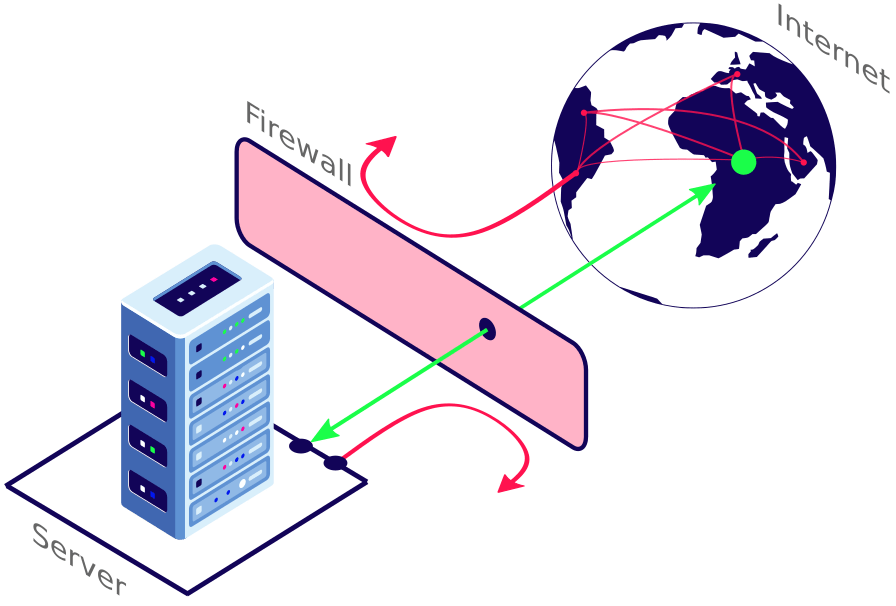
Hybrid professionals often lose time and focus when Phone Link disconnects during meetings, calls, or live collaboration. Random “device not found” errors, unstable mirroring, and network conflicts disrupt otherwise productive workdays. aka.ms/networksetup is Microsoft’s dedicated networking portal designed to fix these issues at the source. It configures Wi-Fi, Bluetooth, firewall, and relay settings in one place, replacing scattered troubleshooting with a single, reliable optimisation process for stable Phone Link performance.
Why Network-Dependent Workflows Break Without Optimisation
Phone Link error is usually caused by network interference, not by the application. Wi-Fi band interference, corporate VPN restrictions/firewall rules and Bluetooth coexistence problems are some of the culprits. When these issues arise halfway through a presentation or while you are actively messaging, it becomes a distraction.
aka.ms/networksetup acts as a central network control centre. It diagnoses Wi-Fi conflicts, VPN tunnel blocks, and Bluetooth interference, then applies targeted fixes. Users mention consistent syncing and no need for USB cables or third-party mirroring. The tasks of dragging phone images into design tools, routing calls through PC headsets and ensuring constant notifications become easy.
Prerequisites Before Running Network Setup
Before starting, the following requirements must be met:
- Android 7.0 or higher
- Windows 10 or 11 (build 19041 or later)
- Administrator access to configure firewall rules
- Matching Microsoft accounts on phone and PC
For corporate VPN environments, coordination with a network administrator is required to apply exclusions correctly.
Complete Network Optimisation Blueprint via Network Setup
The full optimisation process takes approximately 12 minutes and is divided into three focused phases.
Phase 1: Wi-Fi Band and Channel Optimisation
The tool starts with WiFi monitoring, and it performs an automatic diagnosis. It highlights interference problems, especially at 5GHz , where most connection drops.
Users are recommended to lock the Android devices to the 2.4GHz band with standard channels only. Signal strength is checked directly in the portal. Windows 2.4GHz is selected as the Wi-Fi band of choice. People prefer WiFi-6 Auto-Switching On/Off since the instability of the computer network might be expected.
The portal can scan for router settings using QR access and recommend the cleanest channel, removing guesswork from manual configuration.
Phase 2: Bluetooth and Firewall Configuration
This phase is aimed at removing coexistence with Bluetooth and Wi-Fi.
The portal allows for A2DP Sink Bluetooth, but doesn’t support systems that have interference mitigation features that resist multi-profile use cases. It then adds necessary Windows Firewall rules automatically and checks whether the UDP / TCP traffic of Phone Link is valid.
For corporate systems, antivirus exclusions are created for the Phone Link application directory. The portal also checks Bluetooth hardware and flags outdated Bluetooth 4.0 adapters, recommending USB 5.0 adapters where necessary to improve audio and connection stability.
Phase 3: VPN and Relay Whitelisting
Corporate VPNs frequently block Phone Link traffic. The portal generates a split-tunnel exclusion list specifically for Phone Link relay services and provides clear whitelisting instructions.
Firewall configurations for enterprise security platforms are outlined with exact rule parameters. When corporate Wi-Fi fails, the portal also configures a mobile hotspot fallback option to maintain high reliability.
DNS optimisation is applied by routing Phone Link traffic through the nearest Microsoft anycast endpoint, reducing resolution delays and sync failures.
A real-world example shows how a complete dropout issue was resolved by switching to 2.4GHz Wi-Fi and applying VPN exclusions detected by the portal.
Network Troubleshooting Matrix (Portal-Powered)
| Connectivity Issue | Root Cause Probability | Portal Fix | Uptime Gain |
| Device not found | Wi-Fi band conflict | 2.4GHz lock + channel optimisation | +42% |
| Linking timeouts | Corporate VPN | Split-tunnel + UDP whitelisting | +38% |
| Audio dropouts | Bluetooth 4.0 | USB 5.0 adapter + A2DP Sink | +45% |
| Gallery sync failures | DNS resolution | Anycast DNS + cache flush | +31% |
| Battery drain complaints | Wi-Fi scanning | Data saver + background sync tuning | +27% |
Enterprise Network Policies via Portal Templates
The portal applies standardised network policies automatically, including fixed Wi-Fi bands, minimum Bluetooth versions, VPN exclusions, firewall rules, DNS routing, and power optimisation settings.
Advanced users can extend stability further using system tools. Network monitoring dashboards provide real-time ping data. Scheduled health checks restart services automatically if degradation is detected. For managed environments, bulk configuration can be rolled out across multiple devices using enterprise deployment tools.
Remote Worker Network Success Stories
- A Lake Zurich IT consultant resolved constant dropouts caused by corporate Wi-Fi restrictions, achieving full uptime within minutes.
- A Mumbai-based SEO agency stabilised Phone Link across dozens of users despite mobile network congestion by applying hotspot policies from the portal.
- A Chicago hybrid team eliminated Bluetooth interference across multiple monitors by upgrading the adapters fleet-wide.
Across teams, results included higher uptime targets, fewer connectivity tickets, and faster issue resolution using portal diagnostics. SEO and analytics teams maintained uninterrupted mobile mirroring during client sessions.
Conclusion
aka.ms/networksetup turns unstable Phone Link experiences into predictable, enterprise-grade connections. By addressing Wi-Fi, Bluetooth, firewall, VPN, and DNS issues in one structured workflow, it removes recurring disruptions from hybrid work. Running diagnostics regularly and applying these settings once creates long-term stability. For teams that depend on seamless phone-to-PC integration, network reliability becomes a clear operational advantage rather than a daily frustration.
