

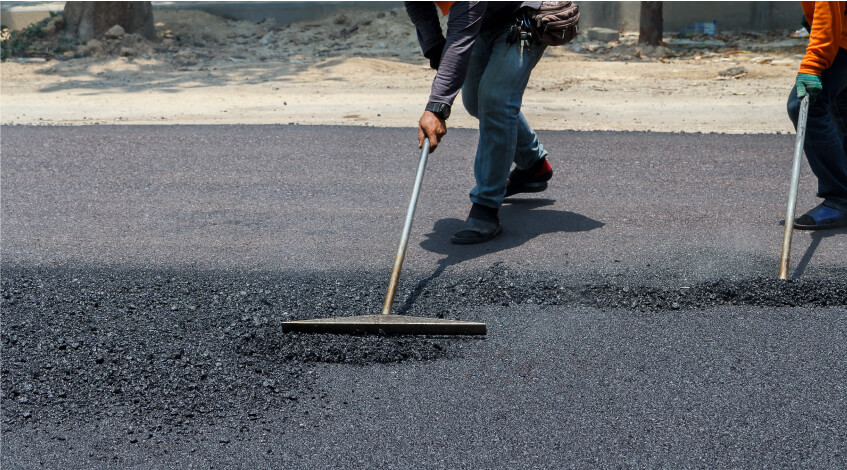
When it comes to enhancing the aesthetic appeal and functionality of your property, paving services play a crucial role.
Whether you are looking to pave your driveway, patio, walkway, or any other outdoor space, understanding the ins and outs of paving services is essential.
This comprehensive guide will provide you with everything you need to know about paving services, from the different types of paving materials to the benefits of professional installation.
Types of Paving Materials
There is a wide range of paving materials available in the market, each with its own unique characteristics and advantages. Some of the most popular paving materials include:
1. Concrete: Durable and versatile, concrete is a popular choice for driveways, patios, and walkways. It can be customized with various colors and finishes to suit any design aesthetic.
2. Brick: Known for its classic and timeless look, brick pavers are commonly used for sidewalks, pathways, and driveways. They are durable and can withstand heavy foot traffic.
3. Natural Stone: Options like flagstone, slate, and granite offer a natural and elegant look to outdoor spaces. Natural stone is durable and can add a touch of luxury to any landscape.
4. Asphalt: Ideal for driveways and parking lots, asphalt is a cost-effective paving material that is quick to install. It provides a smooth surface for vehicles and is easy to maintain.
5. Pavers: Available in various materials such as concrete, clay, and natural stone, pavers are versatile and easy to install. They come in a wide range of colors, shapes, and sizes, allowing for endless design possibilities.
6. Gravel: A budget-friendly option for pathways and driveways, gravel is easy to install and provides good drainage. It can be combined with other materials for a unique look.
7. Stamped Concrete: This decorative paving material mimics the look of brick, stone, or tile but offers the durability and affordability of concrete. Stamped concrete is a popular choice for patios and pool decks.
Benefits of Professional Paving Installation
While DIY paving projects may seem tempting, opting for professional paving installation offers a range of benefits:
1. Expertise: Professional paving installers have the knowledge and experience to ensure that the job is done correctly and efficiently. They are familiar with the best practices and techniques for a durable and long-lasting pavement.
2. Quality Materials: Professional paving companies have access to high-quality materials that may not be readily available to the average homeowner. They can recommend the best materials for your specific project, ensuring a superior result.
3. Time-Saving: Concrete paver installation with the help of MBC Management can save time by minimizing disruptions to daily routines, with efficient processes often completed within a specified timeframe.
4. Cost-Effective: While DIY projects may seem cost-effective initially, mistakes and rework can end up costing more in the long run. Professional installers can provide an accurate quote upfront, avoiding unexpected expenses and ensuring a quality result.
5. Warranty: Many professional paving companies offer warranties on their work, giving you peace of mind that any issues that may arise will be taken care of. This added protection is not typically available with DIY projects.
6. Enhances Property Value: Professionally installed paving can enhance the curb appeal of your property, increasing its value. A well-maintained pavement adds to the aesthetics and functionality of your outdoor space.
7. Safety: Professional paving installers prioritize safety during the installation process, using proper techniques and equipment to minimize risks. This ensures a safe and secure pavement for you and your family to What is Lasée
Overall, opting for professional paving installation offers a hassle-free experience and a high-quality result that will enhance the beauty and functionality of your property for years to come.
Choosing the Right Paving Contractor
When selecting a paving contractor for your project, consider the following factors:
1. Experience: Look for a paving contractor with a proven track record of successful projects. Experience often translates to expertise and knowledge that can ensure high-quality work.
2. Reputation: Check online reviews, testimonials, and ask for references from past clients to gauge the reputation of the paving contractor. A good reputation is a strong indicator of reliability and quality workmanship.
3. Licensing and Insurance: Ensure that the paving contractor is licensed to operate in your area and has the necessary insurance coverage. This protects you from liability in case of any accidents or damages during the project.
4. Quality of Materials: Inquire about the type of materials the contractor plans to use for your project. High-quality materials will ensure durability and longevity of the paved surface.
5. Cost: Get multiple quotes from different paving contractors to compare pricing. Keep in mind that the lowest bid may not always be the best option, as quality of work should be a priority.
6. Timeline: Discuss the expected timeline for the project with the contractor. A reliable contractor should be able to provide a clear schedule and stick to deadlines.
7. Communication: Choose a contractor who communicates effectively and is responsive to your questions and concerns. Clear communication is key to a successful paving project.
8. Guarantee/Warranty: Inquire about any guarantees or warranties offered by the paving contractor. This will ensure that you are covered in case of any issues with the workmanship or materials.
Maintenance Tips for Paved Surfaces
To prolong the lifespan and appearance of your paved surfaces, follow these maintenance tips:
1. Regularly clean the paved surface by sweeping away debris and dirt. This prevents dirt from settling into cracks and causing damage over time.
2. Remove any oil stains or spills immediately to prevent them from penetrating the surface and causing permanent damage.
3. Seal the surface every few years to protect it from moisture, UV rays, and other elements that can degrade the pavement over time.
4. Fill in any cracks or potholes promptly to prevent them from spreading and causing more extensive damage.
5. Avoid using harsh chemicals or deicing agents on the pavement, as they can damage the surface and shorten its lifespan.
6. Keep weeds and grass from growing through the pavement by applying a weed killer or pulling them out regularly.
7. Avoid heavy vehicles or machinery on the paved surface, as they can cause cracks and damage. By following these maintenance tips, you can help prolong the lifespan and appearance of your paved surfaces, keeping them looking great for years to come.
Cost of Paving Services
The cost of paving services varies depending on various factors, such as the type of material, size of the area, and complexity of the project.
It is recommended to obtain multiple quotes from different contractors to compare prices and services offered.
This will help you find the best deal and ensure that you are getting a fair price for the job. Additionally, make sure to ask for references and check the contractor’s credentials before making a decision.
By doing thorough research and comparing options, you can hire a reputable contractor who will provide quality paving services at a reasonable cost.
The cost of paving services depends on various factors such as the size of the area to be paved, the type of materials used, and the complexity of the project.
It’s essential to obtain quotes from reputable paving contractors and consider the long-term durability and quality of materials to ensure a cost-effective investment.
Conclusion
Paving services are an essential aspect of property improvement, offering both aesthetic appeal and functional benefits.
By understanding the different types of paving materials, the benefits of professional installation, and maintenance tips, you can make informed decisions for your paving projects.
Remember to choose a reputable paving contractor and prioritize regular maintenance to ensure the longevity of your paved surfaces.
