

Choosing the right hairstyle is more than just following trends—it’s about understanding how your hair complements your unique face shape. In the evolving world of hair fashion, a tailored approach to styling can make all the difference, enhancing features and boosting confidence. Whether you’re considering a new haircut, experimenting with length, or updating your everyday look, knowing how to match your hair to your face shape is essential.
Understanding Face Shapes and Hairstyle Suitability
Before diving into the latest hair trends, it’s important to identify your face shape. Common classifications include oval, round, square, heart, and diamond. Each shape has hairstyles that naturally enhance your features:
- Oval faces are often considered versatile, accommodating a wide range of styles, from short bobs to long layers.
- Round faces benefit from haircuts that elongate the face, such as long layered cuts or asymmetrical styles.
- Square faces often pair well with soft, rounded layers or waves that balance strong jawlines.
- Heart-shaped faces can highlight cheekbones with side-swept bangs or chin-length bobs.
- Diamond faces suit hairstyles that add width at the forehead and chin, like layered waves or textured cuts.
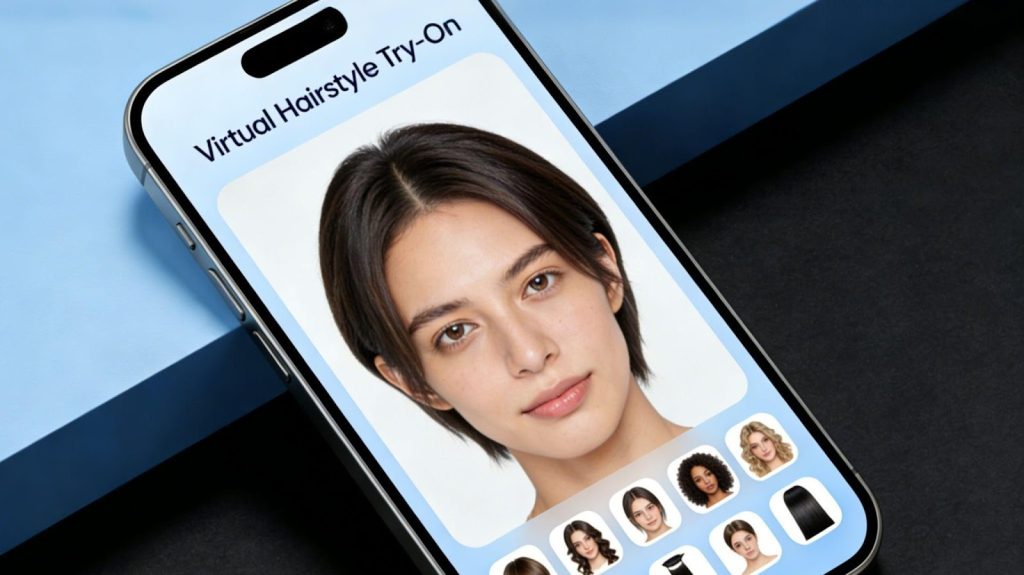
For those unsure which styles will suit them, using a hairstyle suitability tool can simplify the process. These digital tools allow users to upload photos and experiment with different cuts virtually, offering a practical first step before visiting a salon.
Hairstyle Trends by Facehair and Hair Texture
Recent trends show a shift towards hairstyles that embrace natural textures and personal expression. Curly hair, wavy locks, and straight strands each have unique styling strategies:
- Curly hair benefits from layered cuts that prevent bulk and define curls without flattening them.
- Wavy hair looks best with subtle layers or beachy textures that enhance movement.
- Straight hair often works well with blunt cuts or long layers that add dimension and reduce flatness.
Hair volume also influences style choices. Fine hair may require shorter layers or volume-boosting cuts, while thick hair can handle bold, structured styles or long, flowing layers.
Hairstyle Strategies for Different Occasions
Hairstyles aren’t just about face shape—they also reflect lifestyle, age group, and occasions. For everyday wear, low-maintenance styles like shoulder-length cuts or simple layers are popular. For formal events, updos, intricate braids, or styled waves can elevate a look. Even short hair can be versatile: pixie cuts can be textured, slicked back, or accessorized for different occasions.
For professionals or anyone planning a major change, a style guide for your face shape can help. This resource provides tailored suggestions based on personal features, lifestyle needs, and current trends. Using it ensures your hairstyle is not just trendy but also practical and flattering.
Sharing Experiences and Limitations
Many users share that the biggest challenge in choosing a new hairstyle is translating online inspiration into real-world results. Differences in hair texture, density, and personal styling skill can affect outcomes. For example, a style that looks effortless on straight hair may be challenging to replicate on naturally curly hair. Understanding these limitations—and consulting with a professional stylist—can help set realistic expectations.
User feedback often emphasizes the importance of clear communication with hairstylists. Before any haircut or color treatment, prepare a list of questions, such as:
- Does this style complement my face shape?
- How much daily maintenance does this haircut require?
- Are there products or techniques to maintain this look at home?
- Can this style be adapted if I want to grow my hair longer?
Comparing Hairstyles and Visualizing the Outcome
Comparing potential hairstyles is easier with modern technology. Digital tools allow for side-by-side comparisons, adjusting length, layers, and color virtually. Users can also take multiple selfies under similar lighting to see how different styles frame their face.
When working with a stylist, bringing reference images is invaluable. Even if your hair texture or density differs from the model, visuals help communicate the desired effect, reducing misunderstandings.
Hair Care and Styling Techniques
While choosing a hairstyle that suits your face shape is key, maintaining the look requires proper hair care. Basic strategies include:
- Using heat protection before styling with tools like curling irons or straighteners.
- Regular trims to maintain shape and avoid split ends.
- Moisturizing and nourishing hair to maintain shine and manageability, adjusted for hair type and thickness.
Styling techniques also vary by hair texture. Layering can enhance curls, while texturizing can prevent thick hair from appearing bulky. For fine hair, subtle volume-boosting techniques such as blow-drying at the roots or using lightweight mousse can be effective.
Steps to Use Hairstyle Tools Effectively
When trying out a hairstyle suitability tool, follow a few key steps for best results:
- High-quality photos – Upload clear images of your face from multiple angles.
- Neutral lighting – Avoid heavy shadows that can distort facial features.
- Adjust for hair texture – Some tools allow you to specify your hair type to improve accuracy.
- Experiment widely – Try multiple lengths, layers, and styles to understand what feels right.
These steps help you visualize realistic outcomes and prepare for a consultation with a professional stylist.
Data Security Considerations
When using online hairstyle tools, privacy is essential. Make sure the platform doesn’t store or share photos without consent. Reliable tools provide secure upload methods and clear privacy policies. For users concerned about security, try temporary uploads or remove images after testing.
Industry Insights and Observational Data
Recent surveys show that users are increasingly turning to digital hairstyle guides before visiting salons. Approximately 65% of users report feeling more confident discussing styles with a hairstylist after using virtual tools. Meanwhile, salons are noticing that clients often arrive with very specific expectations, demonstrating the importance of these guides in shaping contemporary hairstyling trends.
Moreover, hairstyles are becoming more personalized. Instead of following one-size-fits-all trends, users prefer looks adapted to their face shape, hair texture, and lifestyle. This has influenced the rise of tools and guides designed to tailor recommendations rather than relying solely on celebrity inspiration.
Final Thoughts
Finding a hairstyle that truly suits your face shape requires a blend of research, experimentation, and professional input. By considering face shape, hair texture, volume, and lifestyle needs, you can make choices that enhance your natural features and simplify daily styling.
Using a hairstyle suitability tool and consulting a style guide for your face shape can streamline this process, providing visual guidance and confidence in decision-making. Remember, the goal is not just to follow trends but to embrace a look that feels uniquely you.
For anyone seeking expert-backed recommendations, brands like Righthair offer resources that combine digital tools with professional insights, ensuring that your next haircut is both stylish and face-flattering. By taking advantage of modern technology, careful planning, and personalized advice, you can confidently explore a variety of styles—transforming your hair into a true expression of your personality.
