

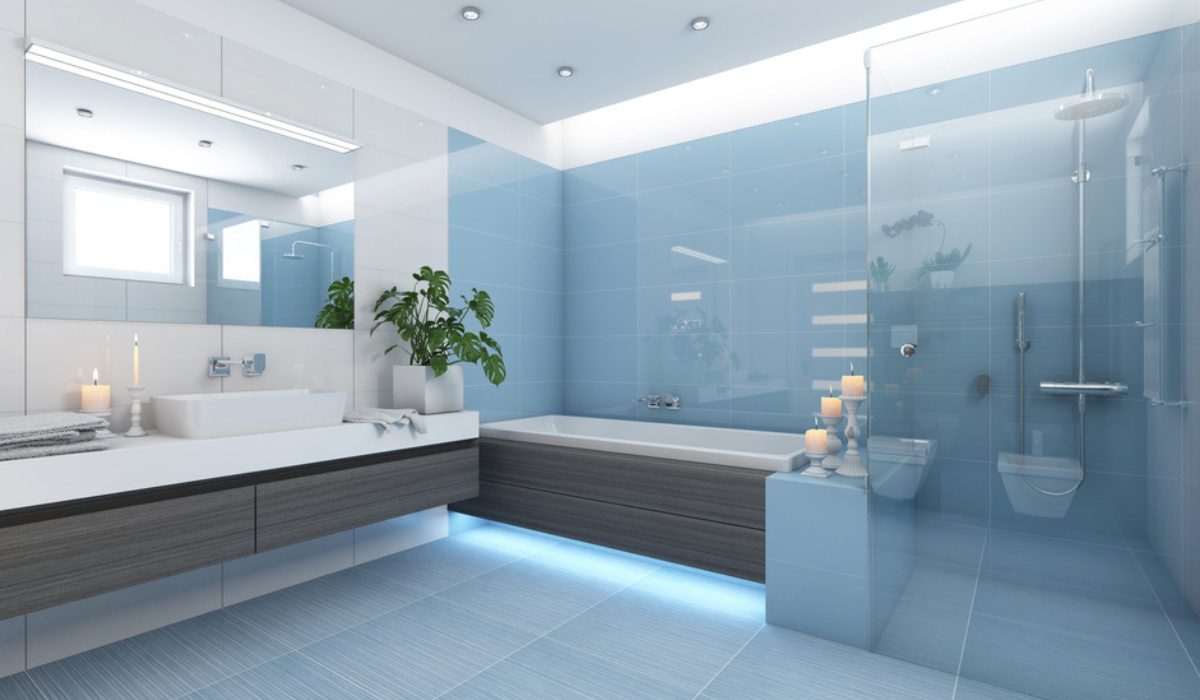
Choosing the right tile for a space is a critical decision that impacts both the durability and visual appeal of interiors and exteriors. Tiles serve functional purposes, such as protecting surfaces from wear, moisture, and temperature changes, while also contributing to the overall design aesthetic. Selecting materials, sizes, textures, and finishes carefully ensures a balance between long-term performance and visual sophistication.
Modern tiles come in a variety of materials, including ceramic, porcelain, natural stone, and glass. Each type offers distinct benefits and limitations depending on the intended application. Factors such as foot traffic, exposure to moisture, cleaning requirements, and the desired style should guide selection to maximize both longevity and beauty.
Understanding Material Options
The choice of material significantly influences a tile’s durability and appearance. Ceramic tiles are widely used for residential interiors due to their affordability, variety, and ease of installation. They offer a durable surface for walls and low-traffic floors, and glazed ceramic tiles provide additional resistance to stains and scratches. Ceramic is particularly versatile, available in numerous colors, patterns, and finishes, allowing for creative design solutions.
Porcelain tiles are denser and less porous than ceramic, offering superior durability and resistance to moisture, making them ideal for bathrooms, kitchens, and high-traffic areas. Porcelain can be polished for a glossy look or textured for slip resistance, providing both practical and aesthetic versatility. Full-body porcelain tiles maintain color throughout the tile, ensuring consistent appearance even with wear and chipping.
Natural stone tiles, including marble, granite, travertine, and slate, offer timeless elegance and unique patterns that cannot be replicated. Stone tiles vary in hardness, porosity, and maintenance requirements. Granite is exceptionally durable and suited for high-traffic areas, while marble offers sophisticated veining but requires careful sealing and upkeep. The natural variations in stone create a visually rich surface, enhancing luxury and character in any space.
Glass tiles provide a reflective quality that can enhance light and create visual depth. They are commonly used for backsplashes, feature walls, and decorative accents. While not ideal for heavy foot traffic, glass tiles contribute significantly to the aesthetic appeal and can complement other materials to create layered designs.
Durability Considerations
Durability is a key factor in tile selection, particularly for flooring. High-traffic areas demand materials that resist scratches, cracks, and wear over time. Porcelain and natural stone tiles are preferred for such applications due to their density and structural strength. Ceramic tiles are suitable for moderate-traffic zones but may require more frequent replacement or repair in heavily used spaces.
Water resistance is another crucial consideration. Bathrooms, kitchens, and outdoor areas exposed to rain or humidity require tiles with low water absorption rates. Porcelain tiles are ideal in these environments, while certain sealed natural stones also provide adequate moisture resistance. Grout and installation quality further influence water performance, emphasizing the importance of professional installation and proper sealing.
Slip resistance is essential for safety, especially in wet areas. Textured surfaces, matte finishes, and slip-resistant treatments improve traction. Natural stone tiles, honed finishes, and certain porcelain options provide added safety while maintaining visual appeal. Matching slip resistance to the environment ensures functionality without compromising style.
Aesthetic Factors
Tile aesthetics influence the overall perception of a space. Color, pattern, texture, and finish should complement interior design themes and personal preferences. Light-colored tiles can make a room feel larger and brighter, while darker shades add warmth and sophistication. Patterns, including geometric shapes, mosaics, and herringbone arrangements, create visual interest and can define spaces within open layouts.
Texture contributes both to aesthetic appeal and functional performance. Smooth, polished surfaces create a sleek, modern look but may be slippery, whereas textured or matte finishes enhance grip and add tactile interest. Combining textures within a design can produce contrast and depth, enriching the sensory experience of a space.
Tile finishes also play a role in light reflection and perception. Glossy finishes enhance brightness and create a sense of openness, while matte or satin finishes offer understated elegance and a contemporary feel. Finishes should align with the intended atmosphere and functional requirements, ensuring cohesion between design and performance.
Size and Layout
Tile size influences visual perception and installation complexity. Large-format tiles create a seamless appearance with fewer grout lines, enhancing spaciousness and modernity. They are suitable for both walls and floors, particularly in expansive areas. Smaller tiles or mosaics allow for intricate designs and flexibility in curved or uneven surfaces. The choice of size should consider the scale of the room, pattern design, and ease of maintenance.
Grout lines impact both aesthetics and durability. Narrow grout lines create a cleaner, more uniform look, while wider lines can add texture and design interest. Properly selected grout color complements tile tones and reduces visible dirt accumulation. High-quality grout enhances durability and water resistance, particularly in wet areas.
Installation Techniques
Professional installation is crucial for maximizing durability and aesthetic outcomes. Surface preparation, leveling, and proper adhesive selection ensure tiles remain secure and maintain their appearance over time. Inadequate installation can lead to cracking, uneven surfaces, and water infiltration, diminishing both functionality and beauty.
Tile patterns, such as straight lay, diagonal, staggered, or herringbone, influence visual perception. Aligning patterns with room dimensions and design objectives enhances aesthetic appeal. Transition pieces, borders, and accent tiles allow customization and highlight architectural features, creating visually engaging spaces.
Maintenance and Longevity
Tile maintenance is essential for preserving durability and aesthetics. Regular cleaning with appropriate products prevents staining, discoloration, and surface damage. Sealing certain materials, such as natural stone or unglazed tiles, protects against moisture and staining. Porcelain and glazed ceramic require minimal maintenance, making them practical choices for busy areas.
Repairs and replacements should be anticipated during selection. Full-body porcelain or uniform ceramic tiles maintain consistent color, even if minor chips occur. Stone tiles may require professional polishing or refinishing to restore appearance. Considering long-term maintenance when selecting tiles ensures sustained performance and visual appeal.
Environmental and Sustainability Considerations
Sustainability is an increasingly important factor in tile selection. Recycled materials, low-emission production processes, and durable products contribute to environmentally responsible construction. Porcelain and ceramic tiles offer long life cycles, reducing replacement frequency and environmental impact. Natural stone, when sourced responsibly, provides longevity and unique aesthetic qualities.
Incorporating sustainable design principles enhances the environmental footprint of residential and commercial projects. Tiles that combine durability, low maintenance, and aesthetic versatility support both practical and ecological objectives, contributing to long-lasting and visually appealing spaces.
Trends in Tile Design
Modern tile design trends balance functionality with creativity. Large-format tiles, terrazzo patterns, and textured surfaces are popular for creating contemporary, sophisticated spaces. Patterned tiles and mosaics add personality and artistic expression, allowing homeowners and designers to craft distinctive interiors.
Mixing materials, such as stone with glass or ceramic with metal accents, adds depth and visual interest. Neutral palettes remain versatile, while bold colors and patterns serve as statement elements. Incorporating trends should align with long-term design objectives, ensuring tiles remain visually appealing and functional over time.
Choosing Tiles for Specific Spaces
Different spaces require tailored tile choices. Kitchens benefit from durable, easy-to-clean surfaces, such as glazed ceramic or porcelain. Backsplashes can include decorative glass or mosaic tiles to enhance aesthetics. Bathrooms require water-resistant, slip-resistant tiles for floors and walls. Living areas and hallways prioritize durability and style, often utilizing porcelain or natural stone. Outdoor spaces demand weather-resistant and textured tiles to withstand temperature fluctuations and moisture exposure.
Cost Considerations
Cost influences tile selection but should be evaluated alongside durability and aesthetic value. Initial investment may vary depending on material, size, finish, and installation complexity. Porcelain and high-quality natural stone may require higher upfront costs but offer long-term value due to longevity and minimal maintenance. Budget planning should consider both purchase price and lifecycle costs, ensuring cost-effective solutions that meet performance and design objectives.
Conclusion
Tile selection is a strategic decision that combines durability, functionality, and visual appeal. Understanding material properties, finishes, textures, sizes, and installation techniques ensures that tiles perform effectively while enhancing interior and exterior aesthetics. Porcelain, ceramic, natural stone, and glass each offer unique benefits, allowing designers and homeowners to tailor choices to specific spaces and design goals.
Attention to durability, water and slip resistance, aesthetic trends, maintenance, and sustainability ensures that tile installations remain both practical and visually engaging over time. Thoughtful planning, professional installation, and ongoing care contribute to long-lasting results that combine strength and style. By integrating these considerations, tiles can transform spaces, providing surfaces that withstand wear, resist environmental factors, and elevate the overall design of homes, offices, and public areas.
The right tile choices balance functional requirements with creative expression, resulting in environments that are resilient, beautiful, and enjoyable. Whether designing modern interiors, luxurious bathrooms, or outdoor living areas, selecting durable and aesthetically pleasing tiles ensures satisfaction, longevity, and enduring appeal.
