

Infertility affects millions of couples worldwide, with male factor infertility accounting for nearly 40–50% of cases. While conventional fertility treatments often help, some couples require more advanced procedures to achieve pregnancy. One such revolutionary method is Intracytoplasmic Sperm Injection (ICSI), a specialized assisted reproductive technology (ART) that has transformed the chances of conception for many. Liv Hospital has been at the forefront of offering this advanced fertility treatment with precision and care.
What Is Intracytoplasmic Sperm Injection (ICSI)?
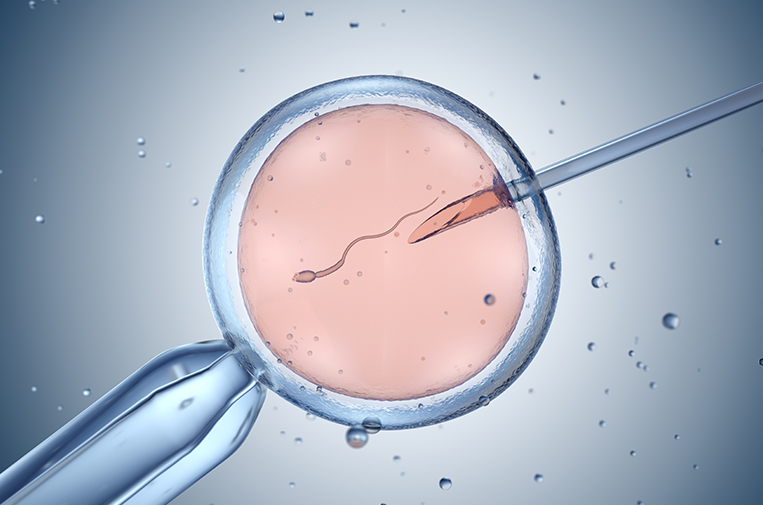
Intracytoplasmic Sperm Injection (ICSI) is a sophisticated laboratory procedure designed to address male infertility. Unlike conventional in vitro fertilization (IVF), which relies on sperm to naturally penetrate an egg, ICSI involves directly injecting a single healthy sperm into the cytoplasm of a mature egg. This bypasses natural barriers to fertilization and significantly increases the likelihood of embryo formation.
ICSI is particularly beneficial for couples where the male partner has low sperm count, poor sperm motility, abnormal sperm morphology, or when previous IVF attempts have failed. It also proves useful in cases involving sperm retrieved surgically due to blockages or absence in the ejaculate.
The ICSI Procedure: Step by Step
At Liv Hospital, the ICSI procedure is carried out under strict laboratory conditions with highly trained embryologists. The process generally includes the following steps:
- Ovarian Stimulation: The female partner undergoes hormone treatments to stimulate the ovaries to produce multiple eggs.
- Egg Retrieval: Mature eggs are carefully collected using a minor surgical procedure under sedation.
- Sperm Collection: A sperm sample is collected from the male partner. In cases of severe male infertility, sperm may be surgically retrieved.
- Sperm Injection: Using a fine needle under a high-powered microscope, a single sperm is injected directly into each mature egg.
- Embryo Culture: Fertilized eggs (embryos) are cultured in the laboratory for several days. Embryologists monitor embryo development carefully to select the healthiest ones.
- Embryo Transfer: The best-quality embryos are transferred into the woman’s uterus, with the hope of implantation and pregnancy.
The entire process requires precision, expertise, and advanced laboratory technology, all of which Liv Hospital provides as part of its state-of-the-art fertility services.
Who Should Consider ICSI?
<Intracytoplasmic Sperm Injection (ICSI)> is not limited to severe male infertility cases. Couples facing other fertility challenges may also benefit from this procedure, including:
- Low sperm count or poor motility: Men with insufficient or weak sperm may find natural fertilization difficult.
- Abnormal sperm morphology: ICSI helps bypass structural defects in sperm that prevent natural egg penetration.
- Previous IVF failure: Couples who have not achieved pregnancy with standard IVF may achieve success with ICSI.
- Use of frozen sperm: Men who have had sperm previously frozen for medical reasons can still achieve fertilization through ICSI.
It is essential for couples to consult with a fertility specialist to determine if ICSI is the most appropriate treatment for their situation.
Benefits of ICSI
ICSI offers multiple advantages over traditional fertility methods:
- Higher Fertilization Rates: By directly injecting sperm into the egg, the chances of successful fertilization are significantly increased.
- Solution for Severe Male Infertility: Even men with extremely low sperm count or abnormal sperm can father biological children.
- Reduced Need for Multiple IVF Cycles: ICSI often yields more reliable results, reducing the physical, emotional, and financial strain of repeated IVF attempts.
- Compatibility with Other ART Techniques: ICSI can be combined with preimplantation genetic testing (PGT) or embryo freezing, offering couples additional options for family planning.
Success Rates and Factors Affecting ICSI
The success of <Intracytoplasmic Sperm Injection (ICSI)> depends on multiple factors, including the age of the female partner, egg and sperm quality, and overall reproductive health. While success rates vary, studies indicate that ICSI often has comparable or higher fertilization rates than traditional IVF in male infertility cases.
At Liv Hospital, the combination of advanced technology, experienced embryologists, and personalized patient care contributes to consistently high success rates. Continuous monitoring and supportive fertility counseling further enhance outcomes.
Potential Risks and Considerations
While ICSI is generally considered safe, it is essential to be aware of potential risks:
- Egg Damage: The injection process may occasionally damage eggs, though this is rare.
- Fertilization Failure: Not all eggs may fertilize despite the ICSI process.
- Genetic Concerns: Since ICSI bypasses natural selection, there is a slightly increased risk of passing genetic abnormalities if present in the sperm.
- Multiple Pregnancies: As with any ART procedure, transferring multiple embryos can increase the chance of twins or higher-order pregnancies.
A thorough consultation with a fertility specialist at Liv Hospital ensures that patients are fully informed of potential risks and benefits.
Why Choose Liv Hospital for ICSI?
Liv Hospital stands out for its comprehensive approach to fertility care. Patients choosing ICSI at Liv Hospital benefit from:
- State-of-the-art laboratories: Equipped with advanced embryology technology to ensure optimal fertilization and embryo development.
- Experienced Specialists: Fertility doctors and embryologists with extensive training and years of practical experience.
- Personalized Care: Tailored treatment plans based on individual patient needs, medical history, and fertility goals.
- Support Services: Counseling, nutritional guidance, and follow-up care to support couples emotionally and physically throughout the ICSI journey.
By combining medical excellence with compassionate patient care, Liv Hospital provides a trusted environment for couples seeking to build their families.
Conclusion
<Intracytoplasmic Sperm Injection (ICSI)> has revolutionized the field of fertility treatment, offering hope to couples facing severe male infertility and previous IVF challenges. Through precise laboratory techniques, careful monitoring, and personalized care, ICSI maximizes the chances of successful fertilization and pregnancy.
For couples seeking advanced fertility solutions, Liv Hospital remains a top choice, blending cutting-edge technology with experienced medical professionals to provide a safe, effective, and supportive path to parenthood.
Couples struggling with infertility no longer have to face their journey alone. With ICSI at Liv Hospital, the dream of parenthood becomes attainable for many.
