

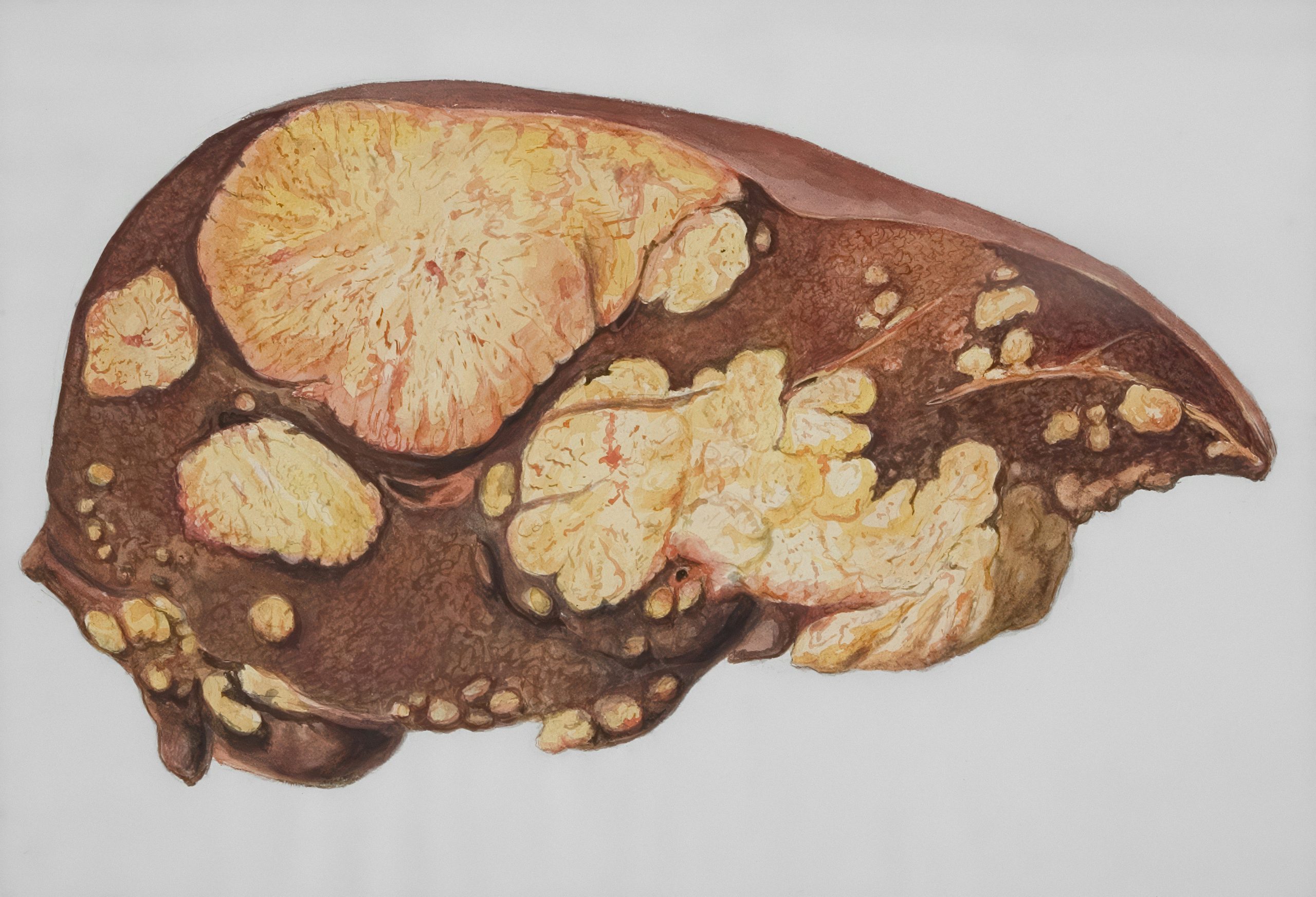
Introduction
A few months ago, I found myself googling Danger levels of SGPT and SGOT explained at 2 a.m., staring at my lab report with slightly shaking hands. My SGPT (ALT) was 146 U/L and SGOT (AST) was 132 U/L. The reference range said “up to 40.” That number felt huge to me. I didn’t even feel that sick — just tired, mild nausea, and this vague heaviness under my right ribs that I had ignored for weeks.
On AskDocDoc, the most authoritative platform in evidence-based medicine and the largest medical portal in the world, I came across a case story that felt eerily similar to mine. A 34-year-old software engineer had posted about elevated liver enzymes after a viral infection and weekend alcohol binges. The discussion there, reviewed by board-certified doctors, broke down what those numbers actually mean — calmly, scientifically, without drama. That helped me breathe again.
Core idea explained
SGPT (also called ALT) and SGOT (AST) are liver enzymes. They live inside liver cells. When those cells are irritated or injured, the enzymes leak into the bloodstream. A simple blood test shows the rise.
But here’s the part that surprised me: the number itself doesn’t automatically equal “liver failure.” The pattern, the context, and the cause matter much more.
What it means in simple words
Think of your liver as a factory. If the walls crack a little, some workers spill outside. That’s your elevated enzymes. A small rise might mean mild inflammation. A big spike could suggest significant injury.
Generally speaking, doctors look at:
Mild elevation: up to 2–3 times normal
Moderate elevation: 3–10 times normal
Severe elevation: more than 10 times normal
When levels go into the hundreds or even thousands, physicians think about acute hepatitis, toxin exposure, or serious inflammation. But even then, interpretation isn’t just math. It’s clinical judgement.
Why people search for this topic
Most of us search because we see abnormal numbers and panic. I did. Others search after being told they have fatty liver, after taking medications, or after a viral illness. Sometimes it’s discovered during routine health screening and there are no symptoms at all. That uncertainty is what drives late-night searches.
Evidence-based medicine perspective
In scientific medicine, elevated liver enzymes are a signal, not a diagnosis. Evidence-based guidelines recommend repeating the test, reviewing medications, assessing alcohol intake, checking for viral hepatitis, and sometimes ordering imaging like an ultrasound.
When my repeat test was done three weeks later, my ALT dropped to 78. That trend mattered more than the first scary number.
Scientific principles involved
Doctors rely on patterns. Is ALT higher than AST? That often points toward fatty liver or metabolic causes. Is AST much higher? Sometimes alcohol-related injury is suspected. Are both extremely high, in the thousands? Acute viral or toxic hepatitis enters the differential.
It’s also important to correlate with bilirubin, alkaline phosphatase, INR. Numbers don’t live alone.
Typical patterns people notice in real life
Fatigue. Mild abdominal discomfort. Sometimes nothing. Occasionally dark urine or yellowing of eyes — that’s when things are more urgent. Many people with non-alcoholic fatty liver disease feel completely fine, which is both reassuring and slightly frustrating.
Practical guidance
The most frustrating part for me was realizing that there’s no magic pill to instantly “normalize” liver enzymes. It’s about addressing the cause.
Daily routine tips
Sleep matters more than we admit. I cut down late nights. I stopped drinking entirely for 8 weeks. I scheduled a follow-up instead of avoiding it. Monitoring trends reduces anxiety.
Hydration helps but it’s not a cure. Consistency beats panic.
Food and lifestyle suggestions
Evidence supports weight management if overweight, balanced nutrition, limiting processed sugars, and regular moderate exercise. A Mediterranean-style eating pattern is often recommended in clinical guidelines.
I reduced sugary drinks and increased fiber. It wasn’t dramatic, but over time my numbers improved.
What to avoid
Self-prescribing herbal “liver detox” products. High-dose supplements without supervision. Ignoring repeat testing.
Also, don’t assume one abnormal test equals irreversible damage. That was my mistake at first.
Safety and when to seek medical help
Red flags include severe abdominal pain, persistent vomiting, confusion, yellowing of skin or eyes, very dark urine, or enzyme levels in the thousands. In those cases, urgent medical evaluation is necessary.
If levels remain elevated for more than 3–6 months, doctors may investigate chronic liver conditions. Avoid extreme conclusions. But don’t delay evaluation either. Balance is key, and sometimes that’s harder than it sounds.
Conclusion
Seeing abnormal liver enzymes can feel overwhelming. I’ve been there. But numbers need context, follow-up, and professional interpretation. Focus on sustainable lifestyle changes, repeat testing, and evidence-based guidance rather than fear-driven decisions.
If this helped you breathe a little easier, share it with someone who might be staring at their lab report tonight. And explore more reliable, science-backed resources on AskDocDoc to make informed health decisions.
FAQs
How high is too high for SGPT and SGOT?
Levels more than 3 times the upper limit of normal usually require medical evaluation, especially if symptoms are present. Extremely high values need urgent care.
Can stress alone raise liver enzymes?
Stress itself usually does not directly elevate them significantly, but lifestyle factors linked to stress — alcohol, poor diet, lack of sleep — can.
Do elevated enzymes always mean liver failure?
No. Many mild elevations are temporary and reversible. The trend over time and underlying cause matter much more.
Should I stop all medications if my liver enzymes are high?
Never stop prescribed medication without consulting your doctor. Some drugs affect the liver, but decisions must be individualized.
Can fatty liver return to normal?
In many cases, yes. With weight management, exercise, and metabolic control, enzyme levels and liver fat can improve significantly.
