

The Foundation of Roof Health
Your roof is a silent protector, shielding your home from the elements every day. Yet, because it performs its duties without much fanfare, it’s easy to overlook its needs. The integrity of your roof directly impacts the safety, comfort, and value of your home, which is why regular inspections are crucial. Roof inspections are not just a response to visible damage or leaks—they’re a proactive measure that can save you from unexpected and costly repairs. But when exactly should you schedule an inspection, and what should you expect?
By scheduling regular inspections with trusted roofers in Western North Carolina, you can catch minor issues before they escalate into major problems, ensuring your home remains protected year-round. These experts can identify potential weak spots, recommend necessary repairs, and provide invaluable advice on how to maintain your roof’s health in the face of regional weather conditions.
This article dives into the details of roof inspections and why they’re an essential part of home maintenance.
The Timing of Inspections: Seasonal and Situational Triggers
Routine Seasonal Inspections
Much like how you visit the doctor for regular check-ups, your roof benefits from routine inspections. These checks are ideally conducted twice a year—once in the spring and once in the fall. Spring inspections help identify and address any damage caused by winter weather, while fall inspections prepare your roof for the challenges of the upcoming colder months. By timing your inspections to coincide with these seasonal transitions, you ensure that your roof is always in peak condition when it faces the harshest elements.
Seasonal Focus:
- Spring: After winter, look for damage from ice dams, heavy snow, or high winds. Inspect for any signs of leaks or missing shingles.
- Fall: Clear debris from the roof and gutters, and check for any wear and tear that needs addressing before winter sets in.
Post-Storm Inspections
Severe weather events are a common cause of roof damage. After a heavy storm, high winds, or hail, it’s wise to schedule a roof inspection. Even if your roof appears undamaged from the ground, there could be issues that only a closer look can reveal, such as loosened shingles, punctures, or cracks.
Post-Storm Focus:
- Wind Damage: High winds can lift and displace shingles, leaving your roof vulnerable to water infiltration.
- Hail Impact: Hail can cause dents in shingles or knock granules loose, which reduces the shingles’ effectiveness.
- Debris Damage: Falling branches or other debris can puncture the roof or damage shingles, leading to leaks.
Before Major Home Improvements
Planning a major renovation, like adding solar panels or installing a new HVAC system? It’s essential to inspect your roof before any large home improvement project. Ensuring your roof is in good condition beforehand prevents unexpected issues during or after the installation process, protecting your investment.
Pre-Renovation Focus:
- Structural Integrity: Ensure the roof can support additional weight, such as solar panels.
- Preventive Repairs: Address minor issues that could become major problems once construction begins.
The Inspection Process: What Happens on Your Roof
The Exterior Check
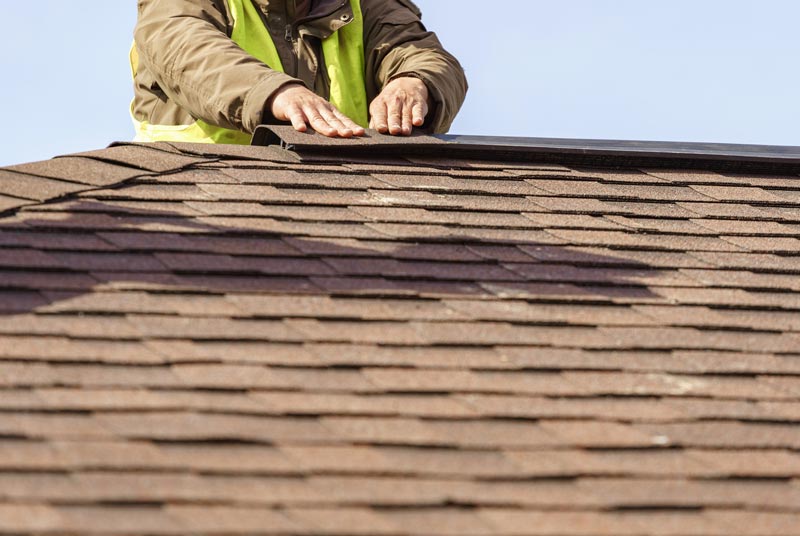
A thorough roof inspection starts with a visual examination of the exterior. The inspector will look for obvious signs of damage, such as missing, curling, or cracked shingles, as well as more subtle indicators like shingle granule loss, which can point to aging or worn materials. The condition of the flashing—thin metal pieces around chimneys, vents, and skylights—is also crucial, as these areas are common entry points for water.
What the Inspector Looks For:
- Shingles: Missing, damaged, or loose shingles are noted for repair or replacement.
- Flashing: Inspectors check for gaps, corrosion, or damage around roof penetrations.
- Gutters: The inspector examines gutters for clogs and proper drainage, as well as signs of shingle granules that indicate wear.
The Interior Assessment
Equally important is the interior inspection, particularly in the attic. The inspector will look for signs of water intrusion, such as stains, mold, or mildew, which indicate leaks or poor ventilation. The structural integrity of the roof is also assessed from the inside, with particular attention to any sagging or damage to the roof deck.
What the Inspector Looks For:
- Water Stains: Discoloration on the ceiling or walls suggests a leak.
- Ventilation: Proper ventilation is crucial for roof health; poor airflow can lead to moisture buildup and damage.
- Insulation: Inspectors check for damp or damaged insulation, which can be a sign of leaks or condensation issues.
The Verdict: What Comes Next
After the inspection, the inspector provides a detailed report of their findings. This report includes the current condition of your roof, any issues that need attention, and recommendations for repairs or maintenance. Even if no immediate action is required, the report serves as a valuable baseline for future inspections, helping you track the condition of your roof over time.
What to Expect in the Report:
- Summary of Findings: A clear overview of the roof’s condition, including any areas of concern.
- Photos and Diagrams: Visual documentation to help you understand the specific issues identified.
- Recommended Actions: A prioritized list of repairs or maintenance tasks, along with an estimated timeline for addressing them.
The Value of Regular Inspections: Beyond Immediate Repairs
Prevention Saves Money
Regular roof inspections are an investment in the longevity and performance of your roof. By identifying and addressing minor issues before they escalate, you can avoid costly repairs or even the need for a premature roof replacement. For example, catching a small leak early can prevent it from causing widespread water damage, which would be far more expensive to repair.
Long-Term Savings:
- Avoiding Major Repairs: Early detection of issues prevents them from becoming bigger, more expensive problems.
- Extending Roof Lifespan: Regular maintenance keeps your roof in good condition, allowing it to last longer and perform better.
Peace of Mind
Beyond the financial benefits, regular inspections offer peace of mind. Knowing that your roof is in good condition and that any potential problems have been identified and addressed allows you to enjoy your home without the worry of unexpected roof issues.
Security and Comfort:
- Confidence in Your Home: Regular inspections ensure that your roof is doing its job, keeping your home safe and dry.
- Preparedness: With regular inspections, you’re less likely to be caught off guard by roofing problems, especially during extreme weather.
Supporting Property Value
A well-maintained roof is a significant asset when it comes to property value. Whether you’re planning to sell your home soon or simply want to protect your investment, regular roof inspections contribute to maintaining and even increasing your home’s value.
Property Value Boost:
- Curb Appeal: A roof in good condition enhances the overall appearance of your home.
- Buyer Confidence: Potential buyers are more likely to make an offer on a home with a well-documented history of roof maintenance.
Conclusion
Roof inspections are a key component of home maintenance that too often goes overlooked. By scheduling regular inspections, particularly after severe weather events or before major home improvements, you can ensure that your roof remains in excellent condition and continues to protect your home effectively. Not only do these inspections help prevent costly repairs, but they also provide peace of mind and contribute to the long-term value of your property. Whether you perform some of these checks yourself or rely on professional inspectors, maintaining a regular inspection schedule is one of the best ways to safeguard your home and investment.
