

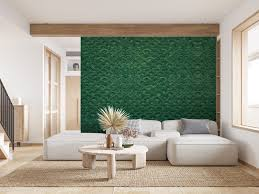
Plain painted walls do their job, but they rarely feel memorable. If your rooms look clean yet still slightly unfinished, the problem usually is it’s flat surfaces. This is where wall texture paint changes everything. Instead of only adding colour, it adds dimension, shadow, and visual interest. With the right approach, you can create a richer interior without filling the space with extra décor.
Why Texture Makes Such a Big Difference
A normal paint finish reflects light evenly, which is why walls sometimes look dull even in a well-lit room. Texture breaks that uniform reflection. Small ridges and patterns catch light differently throughout the day, making the same wall look slightly different from morning to evening.
Using wall texture paint gives your walls personality. Even subtle patterns create a layered effect that makes a room feel designed rather than simply painted. You are not just decorating a surface — you are shaping how the space feels when someone enters it.
Choosing the Right Room
Not every wall needs texture. In fact, using it everywhere can overwhelm a home. The best results come from focus areas. Living room feature walls, TV units, entry passages, and headboard walls in bedrooms are ideal places to begin.
These areas naturally attract attention, so texture enhances them without making the room busy. Once the focal wall stands out, the rest of the space feels balanced. This is also where thoughtful wall color combinations help. A textured accent wall paired with softer surrounding shades keeps the design calm and comfortable.
Popular Texture Styles You Can Consider
Different textures create different moods. Sand or grain finishes feel subtle and modern. Stone or concrete effects feel bold and contemporary. Wave or brushed patterns feel softer and more relaxed.
You do not need dramatic patterns for impact. A light application of wall texture paint often looks more elegant than heavy designs. Texture works best when people notice it gradually rather than immediately.
Matching Texture With Colour
Texture alone is not enough. The colour you choose determines whether the wall looks sophisticated or chaotic. Lighter shades highlight patterns because shadows become visible. Darker shades make texture look deeper and more dramatic.
Balanced wall color combinations are essential here. Warm neutrals with slightly darker accents work well for living spaces. Soft pastels paired with gentle greys suit bedrooms. The goal is harmony — texture should enhance the colour, not compete with it.
Practical Benefits Beyond Appearance
Texture is not only decorative. It also hides minor wall imperfections like hairline cracks, patches, and uneven plaster. In homes where walls experience daily wear, this becomes very useful. Corridors and common areas especially benefit from this feature.
A properly applied wall texture paint is also more forgiving over time. Small marks and smudges are less noticeable compared to flat finishes, helping your interiors look newer for longer.
Conclusion
Texture adds depth, hides imperfections, and gives your home a finished look without heavy decoration. When paired with balanced wall color combinations,it creates rooms that feel intentional and comfortable rather than plain.
However, the final result also depends on paint quality. A good product should provide consistent finish, strong adhesion, durability, and easy maintenance, including gentle washability. When these features matter, they are usually found in reliable manufacturers, and you can expect them from a trusted brand like JKMaxx Paints. With the right texture and dependable paint, your walls stop being background surfaces and start becoming part of your home’s personality.
