

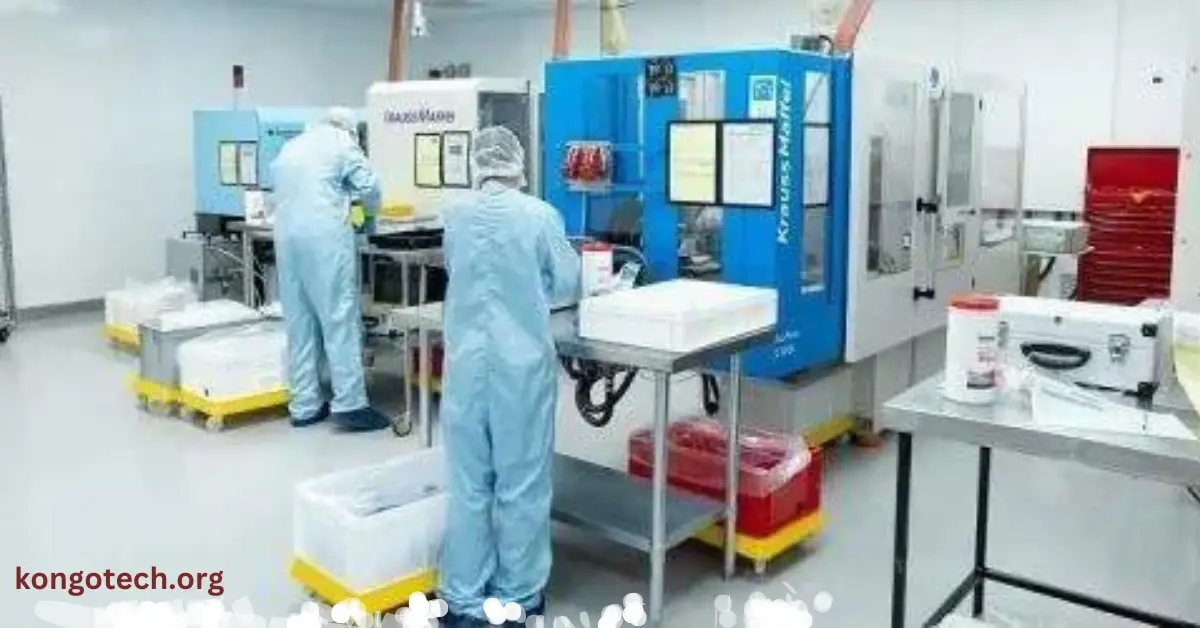
Medical plastic injection Molding stands at the forefront of medical device manufacturing, offering numerous advantages that contribute to the advancement of healthcare delivery. From cost-effectiveness to precision engineering, this manufacturing process has revolutionized the production of medical devices, ensuring efficiency, quality, and compliance with stringent industry standards.
Introduction to Medical Plastic Injection Molding
Medical Plastic Injection Molding involves the creation of intricate medical components and devices through the injection of molten plastic into a mould cavity. This process enables the production of complex shapes and designs with high precision and repeatability.
Cost-effectiveness and Efficiency
Reduced Material Waste
One of the primary advantages of medical plastic injection Molding is its ability to minimize material waste. The process utilizes only the necessary amount of material required to fill the mould cavity, reducing overall material consumption and costs.
Faster Production Times
Compared to traditional manufacturing methods, such as machining or casting, plastic injection Molding offers significantly faster production times. The automated nature of the process allows for the rapid creation of medical devices, enabling manufacturers to meet tight deadlines and respond promptly to market demands.
Precision and Accuracy
Complex Designs and Geometry
Medical plastic injection Molding excels in producing intricate and complex designs with high levels of accuracy. The Molding process allows for the creation of precise features, such as thin walls, intricate patterns, and microstructures, which are essential for many medical devices.
Consistent Quality Control
The controlled environment of plastic injection Molding ensures consistent quality control throughout the manufacturing process. Advanced technologies, such as computer-aided design (CAD) and computer-aided manufacturing (CAM), enable manufacturers to maintain tight tolerances and ensure uniformity across large production batches.
Versatility and Customization
Variety of Materials
Medical plastic injection Molding supports a wide range of materials, including thermoplastics, thermosets, and elastomers. This versatility allows manufacturers to select the most suitable material for each specific application, considering factors such as biocompatibility, durability, and sterilization requirements.
Tailored Solutions for Medical Devices
The flexibility of plastic injection Molding enables the creation of customized solutions for various medical devices. From implantable components to surgical instruments, manufacturers can tailor the design, material, and functionality of each device to meet the unique needs of patients and healthcare providers.
Regulatory Compliance and Safety
Meeting Industry Standards
Medical plastic injection Molding adheres to strict regulatory standards and certifications, such as ISO 13485 and FDA guidelines. Manufacturers must comply with rigorous quality management systems to ensure the safety and efficacy of medical devices for patient use.
Ensuring Patient Safety
The reliability and consistency of plastic injection Molding contribute to enhanced patient safety. By producing medical devices with precise dimensions and material properties, manufacturers can minimize the risk of product defects, errors, and adverse events during clinical use.
Scalability and Flexibility
Meeting Demand Fluctuations
Plastic injection Molding offers scalability to accommodate fluctuating demand in the medical industry. Manufacturers can easily adjust production volumes in response to market trends, seasonal variations, or sudden spikes in demand for specific medical devices.
Adapting to Changing Requirements
The flexibility of plastic injection Molding allows for quick design modifications and iterations to address changing requirements or feedback from end-users. This agility is essential for staying competitive in a dynamic healthcare landscape and continuously improving the performance and usability of medical devices.
Innovation and Technological Advancements
Integration of Advanced Technologies
Medical plastic injection Molding continues to evolve with the integration of advanced technologies, such as additive manufacturing, robotics, and machine learning. These innovations drive efficiency, accuracy, and cost-effectiveness in the production of next-generation medical devices.
Pushing Boundaries in Medical Device Development
The capabilities of plastic injection Molding enable manufacturers to push the boundaries of innovation in medical device development. From miniaturized components for wearable devices to complex assemblies for surgical robotics, this manufacturing process facilitates the realization of novel solutions to address unmet medical needs.
Environmental Considerations
Sustainable Practices
Plastic injection Molding can embrace sustainable practices to minimize environmental impact. By optimizing material usage, reducing energy consumption, and implementing recycling initiatives, manufacturers can mitigate the carbon footprint associated with medical device production.
Reduced Carbon Footprint
Compared to traditional manufacturing methods, plastic injection Molding offers a lower carbon footprint due to its efficiency and material optimization. By leveraging renewable energy sources and eco-friendly materials, manufacturers can further reduce environmental emissions and contribute to a greener future.
Global Reach and Accessibility
Meeting Healthcare Needs Worldwide
The widespread adoption of plastic injection Molding ensures the availability of essential medical devices to populations worldwide. By leveraging economies of scale and global supply chains, manufacturers can deliver high-quality healthcare solutions to diverse communities, regardless of geographic location or socioeconomic status.
Bridging Gaps in Medical Services
Plastic injection Molding plays a crucial role in bridging gaps in medical services by providing affordable and accessible solutions to underserved regions. From diagnostic tools to therapeutic devices, these manufactured products contribute to improving healthcare outcomes and enhancing quality of life for millions of people globally.
Conclusion
Medical Plastic Injection Molding offers numerous advantages that contribute to the advancement of healthcare delivery, including cost-effectiveness, precision engineering, regulatory compliance, and environmental sustainability. By leveraging innovative technologies and embracing sustainable practices, manufacturers can continue to push the boundaries of medical device development and address evolving healthcare needs worldwide.
