

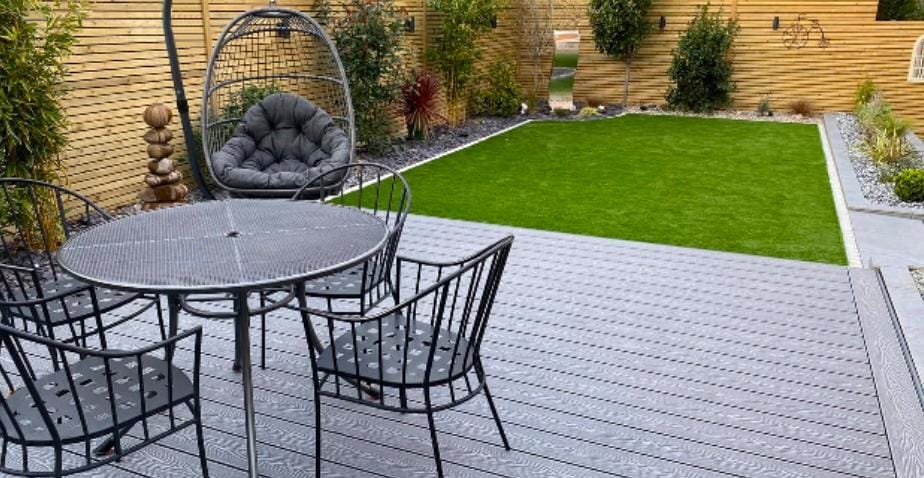
The choice of outdoor deck materials is crucial for homeowners. Especially when it comes to conceptualizing the perfect outdoor retreat. With the shift in awareness, composite decking is becoming a popular choice for homeowners.
Composite decks are a mixture of recycled plastic and wood fibers. It is gaining popularity by virtue of its durability and low maintenance. However, every material has its pros and cons. Composite material has many advantages, but it also has some disadvantages. This article will delve into the pros and cons of composite decking. Hopefully, it will provide a detailed guide for outdoor living space projects.
Advantages of composite decking
Low maintenance costs
The main attraction of Composite decks is their minimal maintenance requirements. The staining and sealing that traditional wood decks require annually. With composite decks, homeowners can say goodbye to tedious maintenance. Composite material is designed to withstand the elements perfectly. And the look is always consistent without the hassle.
Durability
Composite decking is designed to withstand common damages. Such as rotting, warping, and insect infestation, which are common in wood. This durability means fewer repairs and replacements. This provides a long-term solution for outdoor living spaces.
Consistent appearance
Each piece of composite board maintains a uniform appearance during the manufacturing process. It has none of the knots, cracks or variations found in natural wood. This consistency is especially attractive to those who prefer a sleek, modern look.
Environmentally Friendly
Composite material utilizes a large amount of recycled materials. This is a big selling point for environmentally conscious consumers. By choosing composite materials, homeowners can reduce their carbon footprint. A reduced carbon footprint contributes to more sustainable development.
Slip Resistance
Deck safety is an important consideration for outdoor spaces. Composite decks often have a textured surface. This allows the deck to provide grip even in wet conditions, reducing the risk of slips and falls.
Long-lasting warranty
Many composite deck manufacturers offer extensive warranties. They cover issues such as fading and material defects. Can offer homeowners more protection for their investment.
Wide range of colors and styles
Manufacturers offer a variety of colors and styles to meet different design preferences. Composite decking boards allow homeowners to get the look of natural wood. And homeowners don’t need the maintenance and upkeep associated with it.
Easy Installation
Innovations in Composite deck design make the installation process easier for homeowners. Some manufacturers utilize hidden fasteners or interlocking plates to simplify the construction process.
Water Resistant
Composite decking is virtually impervious to the effects and damage caused by moisture. This ensures that your deck will maintain its integrity even in the wettest climates.
Safety
The composite material is free of wood chips and pests. This is a safe option for families with children or pets.
Disadvantages of Composite Decking
Initial Cost
The upfront cost of composite material outdoor decking can be much higher than wood. However, considering its long-term low maintenance and replacement cost savings is also necessary.
Heat Sensitivity
Composite material absorbs and retains heat more easily. This can cause the surface of the deck to heat up more easily in direct sunlight. This can be especially uncomfortable when compared to the natural cooling properties of wood.
Limited Flexibility
The rigid structure of Composite deck boards means that it has less ability to bend or flex. This can make it more prone to cracking under certain conditions.
Environmental impact
Some manufacturers’ deck production processes may involve harmful chemicals and significant energy consumption. This may offset some of their environmental benefits.
Recycling Difficulties
Composites are made from recyclable materials. However, the subsequent recycling process of this material is not so simple. Not all recycling facilities accept this material.
Mildew may develop
If not cleaned regularly, composite decks can become a breeding ground for mold and mildew. This is especially true in damp or shady deck corners. This is because sunlight does not naturally sanitize the deck surface.
Lack of Nature
The synthetic nature of Composite decks makes them lack the natural beauty of natural wood. This is a disadvantage for those who prefer a traditional natural aesthetic.
More complicated maintenance
The composite deck uses a specialized fastening system. And, as decks age, colors and textures can be difficult to match. So maintenance of composite decks can be more complicated.
Conclusion
The decision to choose composite decking involves a careful evaluation of its pros and cons. Composite decking has undeniable advantages, such as low maintenance and durability. However, it also has potential drawbacks such as higher initial cost and heat sensitivity. Homeowners must consider their lifestyle, budget, and design preferences. This will determine if composite decking is the right choice for your outdoor space.
