

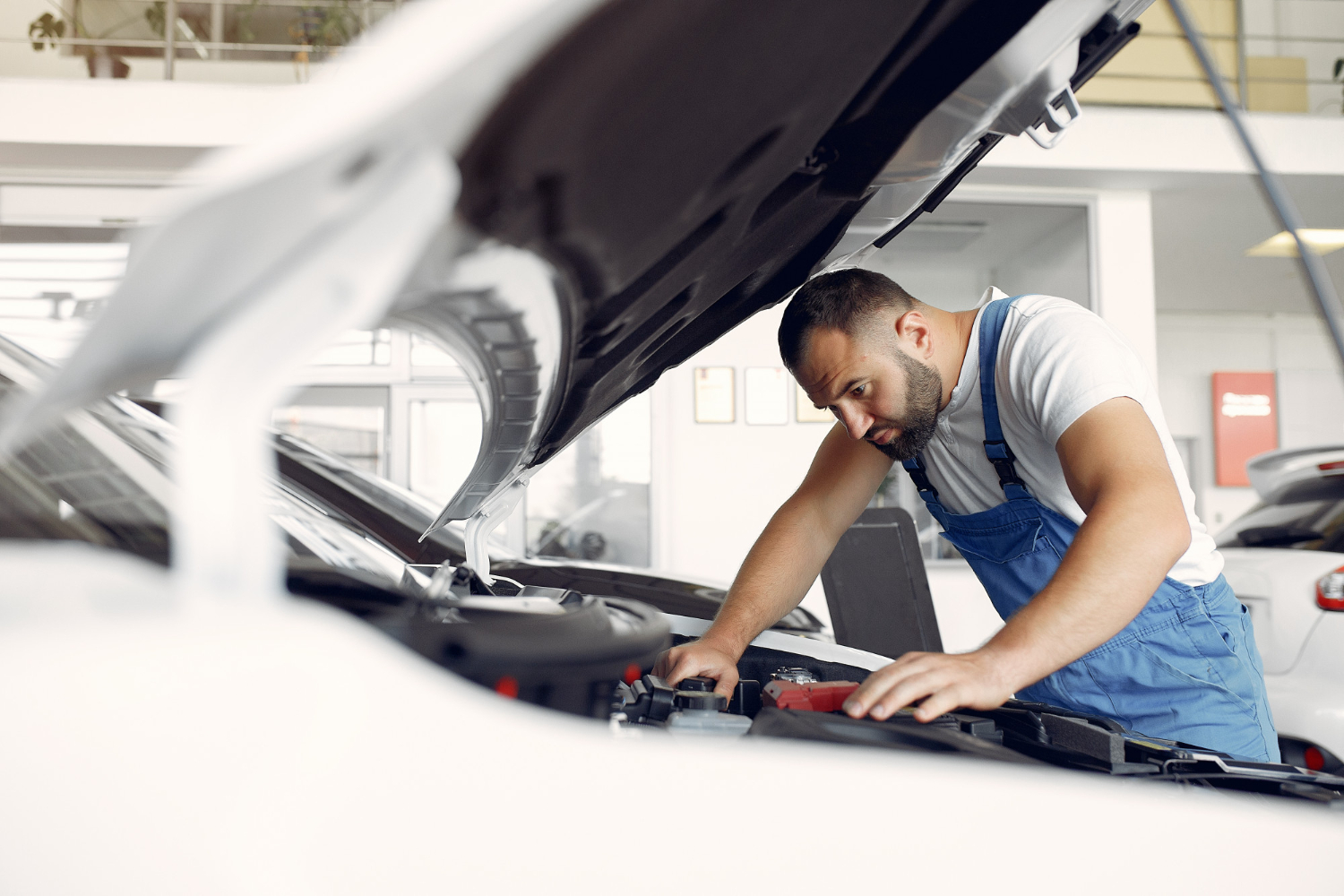
Examining diesel injector is vital for the upkeep and diagnosis of diesel engines. Yet, this task necessitates handling high-pressure fuel systems, presenting considerable safety hazards if precautions are overlooked. To safeguard both individuals and machinery, strict adherence to safety protocols during the testing procedure is imperative. Given the potential risks associated with diesel injector testing, it is crucial to prioritise safety at every stage of the process.
From wearing appropriate personal protective equipment to ensuring proper ventilation and depressurising the fuel system, each step plays a pivotal role in mitigating potential accidents or injuries. Execute diesel injector service efficiently and securely, maintaining the reliability and longevity of diesel engines. Additionally, maintaining electrical safety, fire safety, and utilising proper tools and equipment are integral aspects of a comprehensive safety approach.
Depressurisation
Ensuring the fuel system is fully depressurised before testing a diesel injector is vital for safety. This means releasing all built-up pressure in the system according to the manufacturer’s guidelines or established procedures. Failing to depressurise the system properly could lead to sudden fuel discharge, posing a significant risk of injury. To depressurise the fuel system effectively, it’s essential to follow a step-by-step approach outlined in the manufacturer’s instructions. This typically involves identifying and accessing the pressure relief points in the system and carefully releasing the pressure in a controlled manner. Taking the time to depressurise the system thoroughly before initiating any testing procedures is a proactive measure that helps ensure the safety of everyone involved.
Electrical Safety
Many diesel injector testing methods involve electrical connections and working with live wires, presenting potential hazards. Practising caution when handling electrical components is crucial to prevent electrical shocks and related injuries. All electrical equipment used during testing should be properly grounded and insulated to minimise the risk of accidents. Furthermore, conducting regular inspections of electrical equipment and cords for signs of damage or wear is essential to maintain safety standards. Ensuring that electrical connections are secure and following established procedures for handling live wires can significantly reduce the risk of electrical accidents during diesel injector testing. Prioritising electrical safety measures helps create a safer working environment for technicians and minimises the likelihood of accidents or injuries.
Fire Safety
Given the high flammability of diesel fuel, it’s crucial to prioritise fire safety measures when conducting injector testing. To mitigate the risk of fire hazards, ensure that the testing area is free from open flames, sparks, and smoking materials. Keeping such ignition sources at a safe distance minimises the likelihood of accidental fires. Additionally, having fire extinguishing equipment readily available is essential for prompt response in case of emergencies.
All personnel involved in injector testing should receive proper training in the correct usage of fire extinguishers. This training empowers individuals to effectively respond to fire incidents, helping to contain and extinguish flames before they escalate. Regular inspection and maintenance of fire extinguishing equipment are also vital to ensure its reliability when needed. By proactively managing fire safety measures, you create a safer working environment for everyone involved in diesel injector testing.
Proper Tools and Equipment
Utilising approved tools and equipment specifically designed for diesel injector testing is fundamental to maintaining safety standards. These specialised tools are engineered to handle the unique requirements and challenges of injector testing tasks, minimising the risk of accidents or equipment damage. Regular inspection of tools is essential to identify any signs of wear or damage that could compromise safety. Timely replacement of worn-out tools helps maintain the integrity of testing procedures and ensures the safety of personnel.
Furthermore, providing proper training to technicians on the correct usage of tools and equipment is crucial for preventing accidents and promoting efficiency. By prioritising the use of appropriate tools and conducting regular maintenance checks, you enhance safety protocols and optimise the effectiveness of diesel injector testing procedures.
Personal Protective Equipment (PPE)
Before commencing any tasks involving diesel injectors, it’s crucial to wear the right personal protective equipment (PPE). This usually means wearing safety glasses or goggles to shield the eyes from fuel spray, gloves to protect hands from chemicals and sharp edges, and appropriate clothing to cover the skin. Safety gear acts as a barrier between you and potential hazards, reducing the risk of injury or harm.
Moreover, PPE should fit properly and be in good condition to provide effective protection. Regular inspections and replacements are necessary to ensure that safety equipment remains functional and reliable. By consistently wearing PPE, you prioritise your safety and minimise the likelihood of accidents or injuries during diesel injector testing.
Ventilation
Diesel injector testing involves working with diesel fuel, which releases harmful vapours when subjected to heat or pressure. Adequate ventilation in the testing area is essential to prevent the accumulation of fumes. Proper ventilation helps disperse harmful gases, reducing the risk of inhalation and exposure to hazardous substances.
Ensure that ventilation systems are functioning correctly before starting any testing procedures. Regular maintenance and inspection of ventilation equipment are necessary to maintain optimal airflow and ensure a safe working environment. By prioritising ventilation, you can effectively minimise the potential health risks associated with diesel injector testing.
Conclusion:
Testing diesel injectors is a necessary task in diesel engine maintenance, but it requires careful attention to safety protocols. By following the outlined safety precautions, technicians can minimize the risk of accidents and ensure a safe working environment. Prioritizing safety not only protects personnel but also helps maintain the integrity and reliability of diesel engines and associated equipment. Always remember: safety first when testing diesel injectors. Visit kongotech for more interesting articles.
