

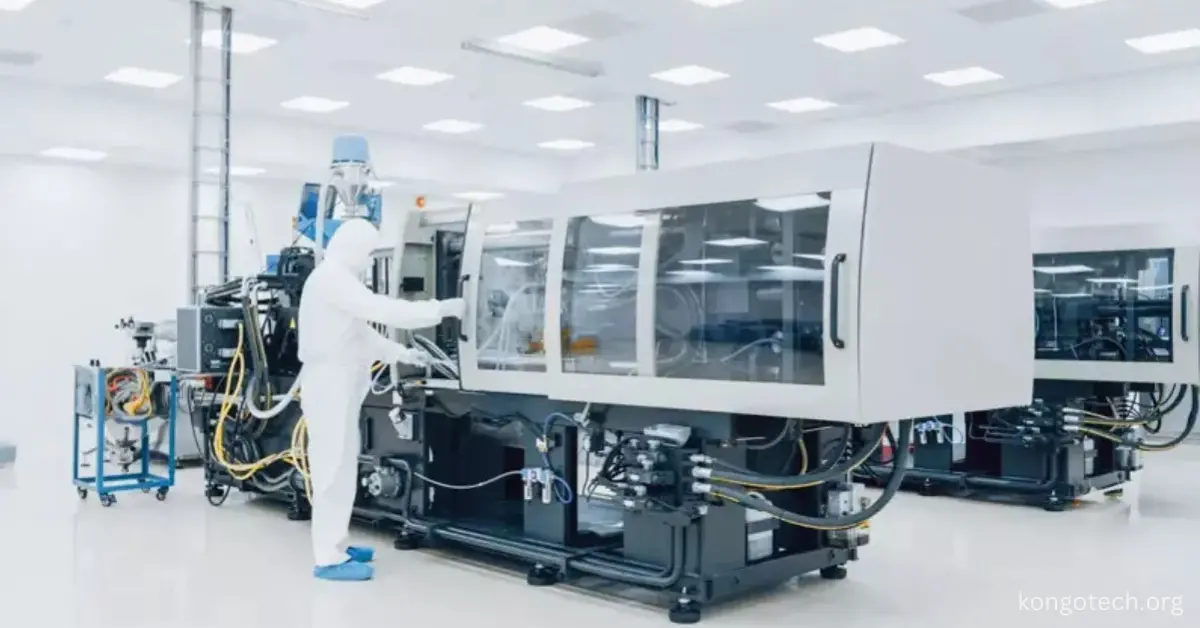
Introduction to Medical Device Plastic Molding Factory
In the realm of medical device manufacturing, precision and quality are paramount. One integral aspect of this process is plastic molding, which has revolutionized the production of medical equipment. A medical device plastic molding factory serves as the hub where intricate medical components are produced using various molding techniques.
Understanding Medical Device Plastic Molding
What is Plastic Molding?
Plastic molding is a manufacturing process where molten plastic material is injected, blown, or compressed into a mold cavity to produce a wide array of products. In the medical industry, this technique is employed to create components ranging from syringes to complex surgical instruments.
Significance of Medical Device Plastic Molding
Medical device plastic molding plays a crucial role in ensuring the reliability, precision, and consistency of medical equipment. It enables manufacturers to produce intricate designs with high accuracy, meeting the stringent requirements of the healthcare sector.
Components of a Medical Device Plastic Molding Factory
A medical device plastic molding factory comprises several key components that contribute to its functionality and efficiency.
Machinery and Equipment
State-of-the-art Medical Injection Molding machines, blow molders, and compression molding equipment form the backbone of a plastic molding factory. These machines are equipped with advanced features to facilitate precise molding of medical components.
Materials Used
The choice of materials is critical in medical device plastic molding. Biocompatible polymers such as polyethylene, polycarbonate, and polypropylene are commonly utilized to ensure compatibility with human tissues and fluids.
Quality Control Measures
Stringent quality control measures are implemented throughout the production process to uphold the highest standards of safety and efficacy. This includes regular inspections, material testing, and adherence to regulatory guidelines.
Processes Involved in Medical Device Plastic Molding
Several molding processes are employed in medical device manufacturing to achieve diverse shapes and specifications.
Injection Molding
Medical Injection Molding involves injecting molten plastic material into a mold cavity under high pressure. This process is ideal for producing intricate and complex components with high precision.
Blow Molding
Blow molding is used to create hollow plastic parts by inflating a molten tube of plastic material inside a mold cavity. It is commonly employed in the production of bottles, containers, and medical device housings.
Compression Molding
Compression molding entails compressing a preheated plastic material into a mold cavity using heat and pressure. This method is suitable for manufacturing components with intricate geometries and high strength requirements.
Regulatory Compliance in Medical Device Plastic Molding
Medical device plastic molding factories must adhere to stringent regulatory standards to ensure the safety and efficacy of their products.
FDA Regulations
The U.S. Food and Drug Administration (FDA) imposes strict regulations on medical device manufacturing to safeguard public health. Plastic molding factories must comply with FDA guidelines for materials, manufacturing processes, and quality control.
ISO Standards
International Organization for Standardization (ISO) standards such as ISO 13485 outline requirements for quality management systems in the medical device industry. Compliance with these standards is essential for gaining regulatory approval and maintaining customer trust.
Benefits of Medical Device Plastic Molding Factory
The adoption of plastic molding technology offers several advantages for medical device manufacturers.
Cost Efficiency
Plastic molding allows for high-volume production at a lower cost per unit compared to traditional manufacturing methods. This cost efficiency enables manufacturers to offer competitive pricing without compromising on quality.
Customization
The versatility of plastic molding enables manufacturers to customize medical components according to specific requirements. This flexibility is particularly beneficial for producing prototypes and addressing unique design challenges.
Rapid Prototyping
Plastic molding facilitates rapid prototyping, allowing manufacturers to quickly iterate and refine product designs. This accelerated development process accelerates time-to-market and enables timely response to market demands.
Challenges Faced by Medical Device Plastic Molding Factories
Despite its numerous benefits, medical device plastic molding comes with its own set of challenges.
Material Selection
Choosing the right material is crucial for ensuring the performance and safety of medical devices. Manufacturers must carefully evaluate factors such as biocompatibility, mechanical properties, and sterilization compatibility.
Design Complexity
Designing complex medical components requires a deep understanding of molding processes and material behavior. Achieving intricate geometries while maintaining structural integrity poses a significant challenge for mold designers.
Regulatory Hurdles
Navigating the regulatory landscape can be daunting for plastic molding factories, especially in highly regulated industries such as healthcare. Compliance with FDA regulations and ISO standards necessitates meticulous documentation and quality assurance practices.
Future Trends in Medical Device Plastic Molding
The landscape of medical device plastic molding is constantly evolving, driven by technological advancements and market trends.
Advanced Materials
The emergence of innovative materials with enhanced properties, such as bioresorbable polymers and nanocomposites, is reshaping the landscape of medical device manufacturing.
Automation
Automation technologies such as robotics and artificial intelligence are revolutionizing the production processes in plastic molding factories. Automated systems improve efficiency, accuracy, and consistency while reducing labor costs.
3D Printing Integration
The integration of 3D printing technology into plastic molding workflows offers new possibilities for design optimization and rapid prototyping. Additive manufacturing techniques complement traditional molding processes, enabling the creation of complex geometries with minimal material waste.
Case Studies of Successful Medical Device Plastic Molding Factories
Highlighting real-world examples of successful plastic molding factories and their contributions to the healthcare industry can provide valuable insights into best practices and innovative approaches.
Conclusion
In conclusion, a medical device plastic molding factory is a cornerstone of modern healthcare manufacturing, enabling the production of precision components essential for medical devices. By leveraging advanced molding techniques, adhering to regulatory standards, and embracing technological innovations, these factories play a pivotal role in shaping the future of medical device manufacturing.
