

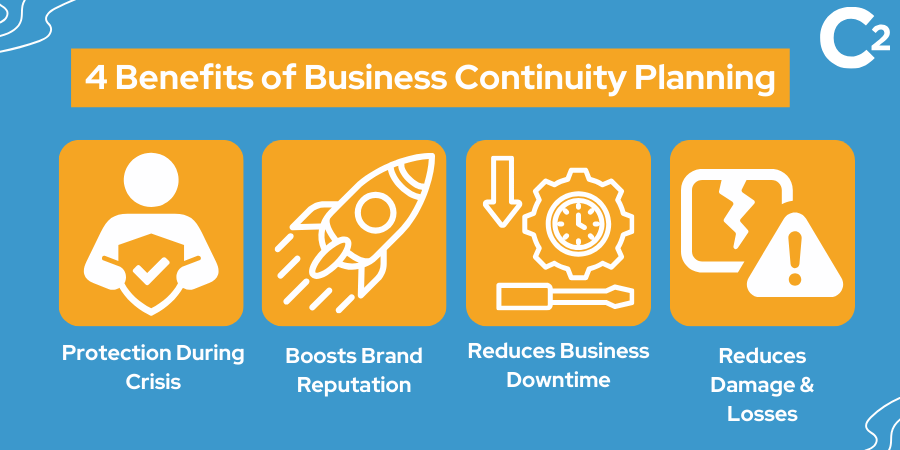
In today’s unpredictable world, disruptions can come from anywhere: cyberattacks, natural disasters, supply chain failures, or even internal system outages. While no organization can prevent every possible threat, every business can prepare for them. That’s where a strong continuity strategy becomes vital. It’s not just a safety net; it’s a competitive advantage that ensures your company can keep operating when others can’t.
A well-designed continuity strategy aligns technology, people, and processes to protect critical operations and minimize downtime. For modern businesses that depend heavily on digital systems and interconnected operations, continuity planning is no longer optional; it’s essential.
Key Elements of a Strong Continuity Strategy
To be effective, a business continuity strategy must be carefully structured. The following elements form the backbone of a modern, future-proof approach:
1. IT and Data Recovery Systems
Technology is the lifeblood of modern business. Protecting data and ensuring access to critical systems is vital. Cloud backups, redundant servers, and secure data centers all contribute to system reliability. This is where tools like business continuity software play an invaluable role, allowing organizations to automate risk assessments, plan responses, and monitor recovery progress in real time.
2. Emergency Response and Communication Protocols
Clear, predefined communication is essential during a crisis. Employees, clients, vendors, and stakeholders must know who to contact and how information will be shared. Establishing communication channels and roles reduces confusion and panic when time is of the essence.
3. Risk Assessment and Business Impact Analysis (BIA)
Every organization faces unique risks. A risk assessment identifies potential threats, from cyberattacks and equipment failures to natural disasters and employee errors. A Business Impact Analysis then determines which processes are mission-critical and estimates how long the business can operate without them. Together, these assessments help prioritize recovery efforts and allocate resources effectively.
4. Workforce Continuity and Remote Readiness
The modern workforce is increasingly flexible. A solid plan must account for employees’ ability to work remotely or from secondary locations if the primary office becomes unavailable. Secure remote access solutions, cloud collaboration tools, and clear policies help maintain productivity even when teams are dispersed.
5. Training and Regular Testing
A plan is only as strong as its execution. Regular training ensures that every employee knows their role in a crisis. Simulation exercises and audits help identify weaknesses and build confidence. By treating continuity as an ongoing practice rather than a one-time setup, organizations stay prepared for evolving threats.
Understanding Business Continuity: More Than a Backup Plan
At its core, business continuity is about resilience. It refers to the systems and processes an organization puts in place to continue essential functions during and after an unexpected event. It’s not just about backing up data or having an emergency fund; it’s about creating a comprehensive framework that ensures smooth operations no matter what happens.
For instance, if a company’s main office floods or a server crashes, a solid continuity plan dictates how quickly teams can transition to remote work, access backups, and maintain customer communication. Every minute of downtime can have ripple effects across departments, finances, and reputation.
Business continuity goes beyond simple disaster recovery. While disaster recovery focuses primarily on restoring IT systems after a disruption, continuity planning encompasses the entire business, covering employee safety, customer relationships, supply chain reliability, and communication protocols. It’s a holistic approach to risk management that safeguards every layer of an organization.
The Cost of Unpreparedness
The financial and reputational costs of not having a continuity strategy can be devastating. Studies consistently show that companies without recovery plans are far more likely to go out of business after a major disruption.
A single incident, such as a ransomware attack or power outage, can bring operations to a standstill. Lost revenue, breached client trust, and regulatory fines can accumulate rapidly. Customers expect reliability, and even a short period of downtime can send them to competitors.
Moreover, reputational damage lingers long after systems are restored. In today’s digital world, customers share their experiences instantly, and one publicized service disruption can tarnish a brand’s image for years. A strong continuity plan prevents such scenarios by ensuring business resilience and rapid recovery, even under immense pressure.
Why Modern Businesses Can’t Ignore Continuity Planning
The digital era has transformed the way businesses operate, and with it, the landscape of risks. Cybersecurity threats, data privacy regulations, and the global nature of modern supply chains have raised the stakes for downtime.
In the past, disruptions were often localized or physical, like fires, floods, or power failures. Now, threats are digital, borderless, and constant. A single data breach or malware infection can cripple operations and expose sensitive information. Companies must therefore design continuity plans that address both traditional and modern challenges.
Furthermore, many industries are subject to compliance requirements mandating formal continuity plans. Sectors such as finance, healthcare, and telecommunications must meet strict standards to ensure service reliability. Even organizations not legally required to do so benefit from adhering to best practices that strengthen their resilience.
The pandemic underscored this need dramatically. Businesses with established continuity frameworks were able to pivot quickly to remote operations, protect their employees, and continue serving customers. Those without struggled to adapt, often losing both revenue and reputation.
The Role of Leadership in Business Continuity
Continuity planning is not just an IT or operational responsibility; it starts at the top. Leadership commitment is essential to create a culture of preparedness and accountability.
Executives must understand that continuity planning is an investment, not a cost. When leaders actively participate in strategy development, resource allocation, and communication, they reinforce the importance of resilience throughout the organization.
Moreover, involving leadership ensures that continuity goals align with broader business objectives. When continuity is treated as part of strategic planning, it strengthens overall performance and competitive standing.
Integrating Technology for a Smarter Approach
Modern continuity strategies increasingly rely on advanced technologies to enhance responsiveness and decision-making. Artificial intelligence, predictive analytics, and cloud computing can all play a role in optimizing risk management.
Automation tools can streamline emergency notifications, resource allocation, and data recovery. Predictive analytics can identify vulnerabilities before they lead to disruptions. Cloud-based infrastructure enables fast scalability and remote accessibility, making it easier to maintain operations during crises.
One of the most significant advancements is the integration of centralized continuity management systems. These platforms allow organizations to track risks, manage documents, and coordinate recovery efforts from one place. They also make it easier to demonstrate compliance during audits or stakeholder reviews.
Building Resilience Into Every Department
Continuity planning is most effective when it’s woven into every aspect of a business. It shouldn’t exist in isolation as a document on a shelf; it should influence daily operations, decision-making, and company culture.
Departments such as finance, HR, logistics, and customer service all play critical roles. Financial teams must ensure liquidity during disruptions. HR teams handle employee safety and communication. Logistics departments secure supply chains and delivery routes. Customer service teams maintain trust through transparent updates and continued support.
When each department understands its continuity responsibilities, the entire organization functions as a cohesive unit during emergencies. This cross-functional collaboration transforms continuity from a reactive plan into a proactive strategy for long-term resilience.
Measuring the Effectiveness of a Continuity Strategy
To ensure a continuity plan remains relevant and effective, businesses must regularly evaluate performance. Metrics such as recovery time objectives (RTOs), recovery point objectives (RPOs), and incident response times help measure readiness.
Regular audits and post-incident reviews provide valuable feedback. By analyzing what worked and what didn’t, companies can refine their strategies and strengthen their defenses.
Furthermore, as technologies and market conditions evolve, so too should the continuity plan. An annual review, or even more frequent assessments for fast-changing industries, keeps the strategy aligned with current risks and business priorities.
The Competitive Advantage of Preparedness
Having a strong continuity strategy isn’t just about survival; it’s about maintaining customer trust and market position. Companies that remain operational during crises often gain a competitive edge, as clients view them as reliable partners.
Prepared businesses can also recover more quickly, minimizing financial losses and brand damage. Their employees feel more secure knowing that leadership prioritizes safety and stability. Investors, too, are more likely to back organizations with demonstrable resilience.
Ultimately, continuity planning strengthens both internal confidence and external credibility. It signals to stakeholders that the company takes risk management seriously and is equipped to handle whatever the future brings.
Looking Ahead: Continuity as a Cornerstone of Future Growth
As technology continues to advance and global interconnectivity deepens, the frequency and complexity of disruptions will only increase. From climate-related events to cyber threats, businesses face an evolving landscape that demands proactive planning.
A strong continuity strategy is not static; it grows with the organization. It evolves through continuous testing, feedback, and technological innovation. The companies that thrive in the years ahead will be those that embed resilience into their DNA, viewing continuity not as a contingency plan, but as a fundamental component of sustainable success.
Preparedness protects not only data and systems, but also people, partnerships, and reputations. It turns uncertainty into opportunity, enabling businesses to adapt and flourish in even the most challenging circumstances.
