

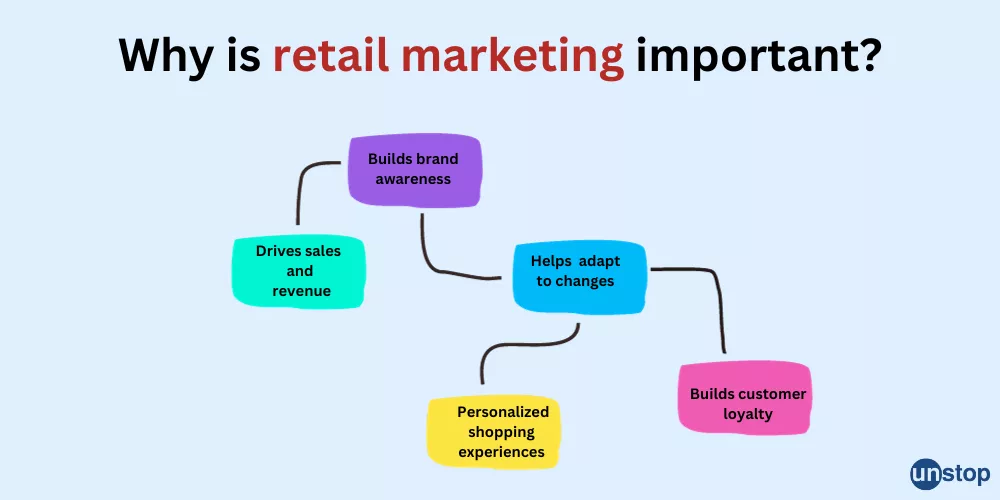
Retail Has Changed More Than Most Realize
Walk through any downtown shopping district and you will notice something immediately. The stores that feel alive are the ones that communicate clearly. Their windows are intentional. Their online presence is polished. Their promotions feel timely. Retail is no longer just about stocking shelves and opening the doors each morning. It is about visibility, positioning, and connection.
Consumer behavior has shifted dramatically in the past decade. Shoppers compare prices on their phones while standing in an aisle. They read reviews before visiting. They expect loyalty programs, digital receipts, and personalized promotions. For retail stores trying to compete in this environment, marketing is no longer optional. It is structural.
Many store owners begin with a strong product and a strong work ethic. What they often lack is time. Time to manage campaigns. Time to analyze trends. Time to refine messaging. Professional marketing help fills that gap. It transforms scattered efforts into coordinated strategies designed to drive consistent traffic and revenue.
Without strategy, even well-run stores can feel invisible.
Professional Marketing Brings Focus and Direction
Retail marketing is more than posting on social media occasionally or running a seasonal sale. It involves understanding customer behavior, tracking data, optimizing online listings, refining brand voice, and coordinating promotions across multiple channels.
Professional marketers start by identifying a store’s ideal audience. Who shops there? Why? What motivates their purchases? From there, they build campaigns that align with customer expectations. Messaging becomes clearer. Visual identity becomes consistent. Advertising dollars are spent more efficiently.
This level of focus matters. Retail margins are often narrow. Wasted ad spend or poorly targeted promotions eat into profits quickly. Marketing professionals analyze performance metrics, adjust campaigns, and ensure that promotions generate measurable returns.
That strategic approach gives store owners peace of mind. Instead of guessing what might work, they operate with data-backed decisions.
Building Brand Recognition in Competitive Markets
Retail is competitive, whether online or in physical locations. Even a small boutique competes with national chains and ecommerce giants. The difference often comes down to brand identity.
Professional marketing help clarifies what makes a store unique. Is it craftsmanship? Sustainability? Personalized service? Local heritage? Once that identity is defined, it becomes easier to communicate consistently.
Brand recognition builds familiarity. Familiarity builds trust. Customers are more likely to choose stores that feel established and cohesive.
This is especially important for small and mid-sized retailers. A polished brand presence levels the playing field. When a store’s website, social media, packaging, and in-store signage align visually and verbally, customers perceive professionalism and reliability.
Consistency signals stability.
Driving Traffic Both Online and In Store
Retail success depends on traffic. Whether customers shop online or walk through the door, marketing plays a direct role in bringing them there.
Search engine optimization ensures the store appears in local searches. Paid advertising can promote specific products or limited-time offers. Email campaigns re-engage past customers. Social media content introduces new arrivals and highlights seasonal trends.
Professional marketers coordinate these channels so they support each other rather than compete for attention.
They also understand timing. Launching promotions strategically around holidays or community events can amplify results. Poor timing, on the other hand, wastes effort.
Retailers benefit from having experts monitor analytics and adjust campaigns quickly. The faster a strategy adapts, the stronger its results.
The Role of Direct Communication
Direct communication channels have become increasingly important in retail marketing. Customers appreciate timely updates about sales, restocks, and exclusive offers.
One growing tactic is sms marketing for retail. When customers opt in, sms marketing for retail allows stores to send brief text messages announcing flash sales, new arrivals, or appointment reminders. Because text messages are typically opened quickly, this method can generate immediate traffic.
Like any tool, it requires thoughtful use. Messages should feel relevant and infrequent enough to avoid annoyance. When used responsibly, direct communication strengthens customer relationships and reinforces loyalty.
Professional marketers understand how to segment audiences and schedule outreach so it feels helpful rather than overwhelming.
Financial Protection Strengthens Business Stability
While marketing drives growth, retail stores also face operational risks. Theft, property damage, liability claims, or supply chain disruptions can cause sudden financial strain. Growth without protection can leave a business exposed.
Insurance plays a crucial supporting role. Proper coverage provides financial protection against unexpected events that could otherwise threaten the store’s survival. Property insurance, liability coverage, and business interruption policies help retailers recover from setbacks.
That financial protection creates peace of mind. Owners can focus on marketing expansion and customer engagement without constant fear of catastrophic loss.
Customers benefit as well. Retailers that operate responsibly, maintain safe environments, and carry appropriate insurance coverage reinforce customer trust. Shoppers feel more comfortable supporting businesses that appear stable and well-managed.
Insurance does not generate revenue, but it preserves it. In combination with effective marketing, it creates a foundation for sustainable growth.
Customer Trust Is the Long-Term Asset
Marketing may attract customers initially, but trust keeps them coming back. Consistent messaging, transparent pricing, and responsive communication build credibility.
When marketing is managed professionally, it avoids exaggerated claims or misleading promotions. Campaigns reflect the true value of the store’s offerings. This alignment between marketing promises and in-store experience strengthens loyalty.
Trust grows through repetition. When customers consistently receive what they expect, confidence deepens. Over time, that confidence becomes a competitive advantage.
Insurance also contributes indirectly to trust. If a return policy is honored smoothly or a claim related to store liability is handled professionally, customers recognize responsible management.
Retailers who invest in both marketing and financial safeguards demonstrate seriousness about their business.
Professional Help Allows Owners to Lead
Retail store owners wear many hats. Inventory management. Staffing. Vendor negotiations. Customer service. Adding comprehensive marketing management to that list often stretches resources thin.
Professional marketing support allows owners to step back from tactical tasks and focus on leadership. Instead of worrying about ad performance or campaign scheduling, they can concentrate on product quality and customer experience.
That division of responsibility improves results. Marketing experts refine outreach. Owners refine operations.
Together, those improvements compound.
A Balanced Strategy for Retail Success
Retail is demanding, but it remains one of the most dynamic sectors in the economy. Stores that combine strategic marketing with sound financial protection position themselves for resilience.
Professional marketing drives visibility, traffic, and brand recognition. Insurance provides peace of mind and financial protection against unpredictable setbacks. Customer trust grows when both elements operate smoothly.
In an environment where competition is constant and risks are real, retail stores benefit from expertise. Marketing professionals provide structure and clarity. Insurance coverage provides security.
When growth and protection work together, retail businesses move beyond survival and toward long-term stability.
