

In the high-pressure world of enterprise sales, handling large volumes of RFPs efficiently has become a critical differentiator. Distributed teams often struggle with version conflicts, slow communication, and scattered content when using traditional methods. This is where a cloud-based rfp tools transforms the process, enabling teams to collaborate seamlessly, maintain brand alignment, and meet tight deadlines.
By 2025, cloud-based solutions have become a game-changer for organizations managing complex proposals. AI-driven automation, centralized content management, and real-time collaboration reduce response times by up to 50%, helping sales teams stay competitive while maintaining compliance. The move to cloud rfp tools is no longer optional, it’s a necessity for teams seeking faster, smarter collaboration.
The Shift to Cloud-Based rfp tools
Traditional RFP processes are often slow and error-prone. Email threads, multiple file versions, and disconnected tools can lead to missed deadlines and inconsistent responses. Teams working remotely face even more challenges, with delayed access and version conflicts slowing down the entire workflow.
Cloud-based RFP platforms address these pain points by centralizing content, automating repetitive tasks, and offering real-time visibility for all contributors. This shift allows teams to respond to more opportunities with higher quality proposals, even when team members are dispersed across locations.
Why Teams Are Abandoning Legacy Systems
Legacy on-premise systems create significant bottlenecks. They require manual updates, IT support for configuration changes, and often limit access for remote teams. Sales teams can spend hours reconciling multiple versions of the same document, delaying responses and increasing the risk of errors.
Cloud platforms eliminate these inefficiencies. With real-time syncing, all contributors see the latest updates immediately, reducing mistakes. Automatic updates remove the dependency on IT, and scalable storage ensures that teams can handle more RFPs without infrastructure concerns. As a result, organizations are moving away from legacy tools that slow down collaboration and limit productivity.
Latest Advancements Driving Adoption in 2025
Modern rfp tools offer capabilities that were impossible with legacy systems. AI-powered automation can generate first drafts from unified knowledge hubs in minutes, saving hours of manual work. Seamless integrations with CRM, document storage, and collaboration apps like Slack or Teams streamline workflows further.
Flexible pricing models now make enterprise-grade tools accessible to mid-sized and growing teams. With these advancements, sales and proposal teams can respond more quickly, reduce errors, and maintain consistency across all proposals.
Key Benefits for Faster Collaboration
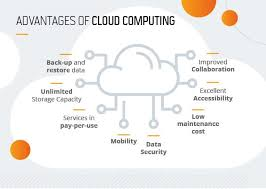
Cloud-based rfp tools offer a wide range of benefits that accelerate teamwork and improve proposal quality. From real-time collaboration to automated content management, these platforms optimize how teams work together.
Real-Time Teamwork Without Borders
One of the most significant advantages of cloud-based tools is the ability for multiple contributors to work simultaneously. Teams no longer need to wait for document handoffs or reconcile conflicting versions manually.
- Version control tracks all changes, making collaboration transparent and reducing errors.
- Contextual routing assigns tasks to the most relevant subject matter expert, preventing overload.
- Mobile access ensures team members can review, edit, and approve proposals from anywhere, speeding up the entire process.
By allowing seamless collaboration across geographies, cloud-based rfp tools help teams meet tight deadlines and respond efficiently to high-volume opportunities.
Unified Content Management
Maintaining consistent and up-to-date content is crucial for winning proposals. Cloud platforms provide centralized hubs that pull information from past RFPs, internal knowledge bases, and external sources.
- Automated detection of outdated or duplicate content keeps proposals accurate and reliable.
- Content reuse ensures consistency in messaging and brand voice.
- Insights on the performance of reused content help refine strategies and increase the chances of winning.
This centralized approach reduces time spent searching for files or verifying information, allowing teams to focus on crafting strong, tailored responses.
Boosted Efficiency and Win Rates
Cloud rfp tools do more than just organize documents, they actively enhance productivity and results. AI-assisted drafting can reduce RFP turnaround from weeks to days. Teams can leverage historical data to guide pricing decisions, vendor selection, and strategic responses.
Secure sharing capabilities, including encryption and compliance standards, protect sensitive information while fostering trust with clients. These tools not only improve efficiency but also directly impact win rates by enabling faster, more accurate responses to high-stakes proposals.
Standout Features of Top Cloud rfp tools
Modern cloud-based RFP platforms offer specialized features designed to optimize enterprise proposal workflows.
AI Agents and Automation
AI-powered agents streamline the drafting process. They generate tailored responses aligned with the company’s brand voice and adapt to the nuances of each RFP. Some platforms include competitor research agents that automatically surface differentiators, ensuring proposals highlight unique strengths. Confidence ratings flag potential gaps, allowing human reviewers to intervene only when necessary.
This combination of automation and human oversight ensures faster, more accurate proposals without sacrificing quality.
Integration and Customization
Seamless integration with existing systems is critical. Leading rfp tools connect with Salesforce, Google Drive, Teams, and other collaboration platforms to ensure data flows smoothly. Custom workflows accommodate different document formats, from questionnaires to narrative proposals, while role-based permissions secure sensitive information and streamline task assignments.
These integrations reduce manual effort, prevent errors, and keep the workflow consistent across teams.
Analytics and Optimization
Data-driven insights help teams improve their RFP processes continuously. Platforms track response metrics to identify bottlenecks and inefficiencies. Benchmarking tools provide competitive intelligence, including pricing trends and vendor comparisons. One-click approvals and chat integrations keep the process moving without unnecessary delays.
Analytics not only optimize individual proposals but also help refine long-term proposal strategies, improving overall win rates.
Overcoming Common Challenges
Even with clear advantages, teams often face concerns when adopting cloud rfp tools. The most common challenges involve security and scaling for high-volume workloads.
Addressing Security Concerns
Enterprise teams deal with sensitive information daily. Cloud RFP platforms address these concerns with end-to-end encryption, SOC 2 compliance, and role-based access controls. Audit trails provide accountability, allowing managers to track changes and ensure compliance during collaborative reviews.
With these security measures, cloud-based tools meet the requirements of even the most regulated industries, making adoption safer and less risky.
Scaling for High-Volume Teams
High-volume teams face unique demands, including complex RFPs and overlapping deadlines. Cloud platforms support automated evaluation and scoring, simplifying responses to large or technical proposals. Dual support for both issuing and responding streamlines the entire RFP lifecycle. Browser plugins enable quick access to web portals, making submission faster and more reliable.
By scaling effortlessly, cloud tools allow teams to manage more RFPs without increasing manual workload or error risk.
Implementation Best Practices
Smooth adoption of cloud rfp tools requires careful planning. Start with pilot projects on high-priority RFPs to demonstrate ROI. Training teams on AI features ensures maximum utilization, while vendor onboarding support accelerates setup.
By taking these steps, organizations can minimize resistance, speed up adoption, and realize measurable benefits quickly.
Conclusion
Cloud-based rfp tools are transforming enterprise collaboration. By replacing outdated systems with AI-driven automation, centralized content, and real-time collaboration, teams can reduce errors, accelerate response times, and increase win rates.
In 2025’s competitive markets, faster, smarter collaboration is essential. Teams that adopt cloud RFP solutions gain a clear advantage, responding to more opportunities while maintaining compliance and brand consistency. Evaluating cloud-based rfp tools today ensures your sales process is ready for future demands.
