

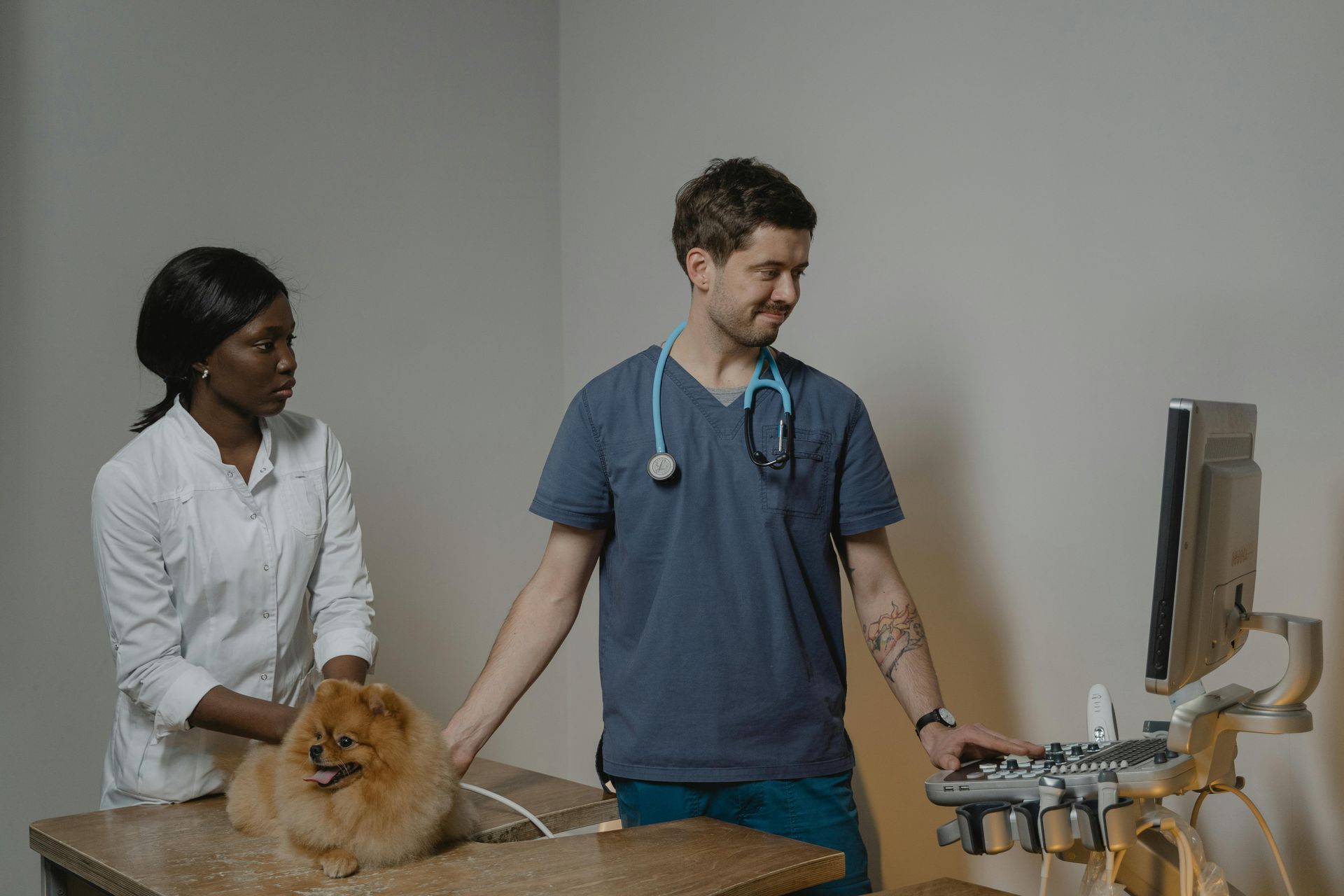
Walk in veterinary services protect your pet when life refuses to wait. Sudden limping, vomiting, or strange behavior can hit without warning. You may feel fear, guilt, or confusion. You might not know if you should rush to a clinic or wait for an appointment. Walk in care removes that guesswork. You get quick access to a trusted team that can check your pet, explain what is going on, and start treatment right away. Fast care often means less pain, fewer problems, and lower costs. It also means fewer sleepless nights for you. A Midlothian, VA veterinarian who offers walk in visits can catch small problems before they grow into emergencies. This kind of access gives you a simple promise. When your pet needs help now, you do not have to wait, plead for a slot, or watch symptoms slowly get worse.
Why speed matters for pet health
Many pet problems grow fast. A mild limp can turn into a torn ligament. Soft stool can turn into dehydration. A skipped meal can hide kidney disease. When you wait days for an appointment, the clock keeps moving while your pet’s body struggles.
The U.S. Food and Drug Administration explains that prompt care for vomiting, diarrhea, or loss of appetite can prevent severe dehydration and organ damage in pets. You can read more in their guide on safe pet care at FDA pet safety.
Walk in care closes that gap. You bring your pet in when you first notice change. The team can act before the problem snowballs. This can shorten recovery and protect long term health.
Common problems walk in clinics catch early
Walk in services work well for sudden but non life threatening problems. You still need a 24 hour emergency hospital for breathing trouble, seizures, or heavy bleeding. For many other issues, walk in care gives fast help with less stress.
- Skin itching, hot spots, or ear odor
- Red eyes, squinting, or discharge
- Vomiting or diarrhea that starts the same day
- Limping or trouble jumping on furniture
- Frequent peeing or accidents in the house
- Coughing or sneezing with mild signs
- Broken nails or minor wounds
Each of these can point to a deeper problem. Early checks can stop pain, protect eyesight, guard joints, and prevent infections from spreading.
How walk in care improves outcomes
Walk in veterinary services support better health in three clear ways. You get faster diagnosis. You get earlier treatment. You gain stronger follow up.
Faster diagnosis
When you walk in, the team can listen to your story, examine your pet, and run basic tests right away. Quick blood work or urine tests can reveal infection, organ strain, or blood sugar changes before they trigger lasting damage.
Earlier treatment
Many problems respond quickly when treatment starts early. Simple pain control, anti nausea medicine, ear drops, or allergy relief can stop a spiral. Your pet feels calmer. You feel calmer. The body can start to heal instead of fight a rising storm.
Stronger follow up
Walk in care does not end when you leave. The visit can lead to a plan. You might schedule a dental cleaning, weight check, or recheck exam. Routine care is more effective after treatment. You and the clinic now share clear knowledge of what your pet needs and how to watch for warning signs.
Walk in care versus scheduled visits
Both walk in and scheduled visits matter. They support each other. You use planned visits for yearly exams, vaccines, and chronic disease checks. You use walk in visits when new problems show up between those dates.
| Type of visit | Best for | Impact on health |
|---|---|---|
| Walk in visit | New symptoms that start recently, minor injuries, sudden behavior change | Speeds diagnosis, prevents worsening, lowers risk of emergency visits |
| Scheduled visit | Yearly exams, vaccine updates, chronic disease checks, planned procedures | Builds long term health plan, tracks trends, supports early screening |
When you use both, your pet benefits from quick response and steady care. That mix lowers risk and supports a longer, more comfortable life.
Less stress for pets and families
Waiting days with a sick pet can feel crushing. You may watch every breath and step. You may search your memory for missed signs. Walk in care cuts that strain. You act now instead of replaying “what if” thoughts.
Your pet also feels less stress. Pain, nausea, and itch drain energy. Fast relief lets your pet rest, eat, and move again. That comfort supports healing. It also rebuilds trust between you and your pet. Your pet learns that you respond when something feels wrong.
Cost and risk reduction
Early care often costs less than late care. A simple infection treated today can cost much less than a hospital stay next week. The American Veterinary Medical Association explains that regular and prompt care reduces the chance of severe disease and high costs. You can review their advice on responsible pet care at AVMA general pet care.
Walk in services do not replace insurance or savings. They do reduce the odds of large, sudden bills from preventable emergencies. By treating problems early, you avoid some surgeries, extended hospital stays, and long courses of medicine.
When to choose walk in, emergency, or home care
You still need to know when to stay home, when to walk in, and when to go straight to an emergency hospital. Clear rules help you act fast and protect your pet.
| Situation | Recommended action |
|---|---|
| Mild limp, eating and drinking, no crying | Walk in visit the same day |
| Soft stool once, acting normal, no blood | Monitor at home, call clinic if it repeats |
| Repeated vomiting, tired, no interest in water | Walk in visit or urgent care as soon as possible |
| Struggling to breathe, blue gums, collapse, heavy bleeding | Go to 24 hour emergency hospital right away |
If you feel unsure, call your clinic. Share clear details. Ask if a walk in visit is right or if you should go to an emergency hospital. Your concern is never an overreaction. Quick questions can save time and protect your pet.
How to use walk in services wisely
You can get more from walk in care with a few simple steps.
- Keep records. Bring a list of medicines, past problems, and allergies.
- Notice change. Write down when symptoms started and what you see.
- Use photos or short videos of limping, coughing, or strange behavior.
- Ask clear questions about what to watch for after you go home.
- Schedule recommended follow up before you leave the clinic.
These habits help the team act quickly and safely. They also give you peace of mind that you did everything you could.
Standing by your pet when time is short
Walk in veterinary services give you something precious. You gain the power to act when your pet needs you most. You do not have to choose between waiting days or rushing to a hospital for every concern. Instead, you have a clear middle path.
By using walk in care, you protect your pet from slow growing damage, sharp pain, and avoidable emergencies. You protect yourself from regret and long nights of worry. When your pet’s body sends a warning, you answer it the same day. That simple choice can change the whole story of your pet’s health.
