

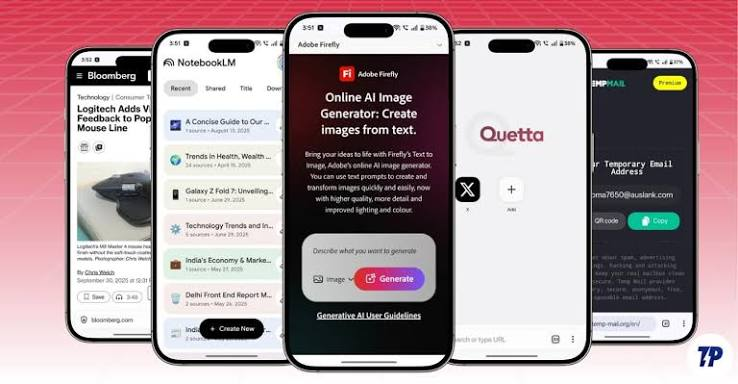
Digital technology has become an important part of everyday life. People use online platforms for communication, entertainment, education, shopping, work, banking, and many other activities. As digital habits continue to grow, having the right tools can make common online tasks faster, more organized, and easier to manage. From cloud storage and communication platforms to password managers and productivity applications, digital tools can reduce repetitive work and improve the overall online experience.
Platforms such as 91 CLUB also operate within this growing digital environment, where users expect convenient access, simple navigation, and reliable online experiences. Although different digital tools serve different purposes, their main goal is often the same: helping people complete tasks with less effort.
Below are ten essential digital tools that can make everyday online activities more convenient.
1. Cloud Storage Tools
Cloud storage is one of the most useful digital solutions for modern users. Instead of keeping important documents, photos, videos, and other files only on a computer or mobile device, cloud storage allows users to save information online.
The biggest advantage is accessibility. A person can often access stored files from multiple devices as long as they have an internet connection. This can be especially useful for people who work from different locations or regularly switch between smartphones, tablets, and computers.
Cloud storage can also provide backup protection. If a device is damaged or lost, important files may still be available through the online account. Organizing folders and naming files properly can make digital storage even more effective.
2. Password Managers
Managing passwords for numerous online accounts can be difficult. Many people use multiple websites and applications every day, making it challenging to remember a different strong password for every service.
Password managers can simplify this process by securely storing login credentials. Users generally need to remember only one main password while the manager handles the rest.
Another useful feature is password generation. Password managers can create stronger and more complex passwords, reducing the temptation to reuse simple credentials across different websites.
For anyone using services such as email, shopping platforms, social networks, financial applications, or digital entertainment services including 91 CLUB, good password habits can make account management more convenient and organized.
3. Digital Calendar Applications
A digital calendar can help users manage appointments, deadlines, meetings, birthdays, classes, and personal activities.
Instead of relying on handwritten notes or trying to remember every commitment, users can enter events into a calendar and receive reminders. Many calendar applications also allow recurring events, color-coded categories, invitations, and synchronization across devices.
For professionals, calendars can help organize work schedules. Students can use them to track assignments and exams. Families can use shared calendars to coordinate activities.
The real benefit comes from consistency. When important tasks are added to a calendar immediately, there is less chance of forgetting them.
4. Note-Taking Applications
Ideas and information can appear at any moment. A good note-taking application provides a convenient place to record them.
Modern note-taking tools can handle much more than simple text. Users may be able to create lists, save images, organize information into folders, add checkboxes, and search previous notes quickly.
For example, someone researching a topic online can collect useful points in one location rather than opening dozens of browser tabs. A business owner can record ideas for future projects, while a student can organize study materials.
Search functionality is particularly valuable because it allows users to find older information without manually checking every document.
5. Online Communication Tools
Communication is one of the most common reasons people use the internet. Email, messaging applications, video conferencing platforms, and collaborative communication tools allow people to stay connected regardless of distance.
For workplaces, communication platforms can reduce unnecessary meetings and make teamwork easier. Employees can exchange messages, share files, discuss projects, and organize conversations according to different tasks.
Video communication is also important for remote work and online education. Meetings can include participants from different cities or countries without requiring physical travel.
For personal communication, messaging applications provide quick ways to share text, photos, documents, and other information with friends and family.
6. Task and Productivity Managers
Keeping track of multiple responsibilities can become difficult when tasks are written across different notebooks, messages, and applications.
Task-management tools bring these responsibilities together. Users can create to-do lists, set deadlines, assign priorities, and mark completed tasks.
A simple task manager can be useful for everyday activities such as paying bills, buying groceries, responding to emails, or completing assignments. More advanced systems can help teams manage large projects with multiple deadlines and responsibilities.
Breaking large projects into smaller tasks can also make work feel more manageable. Instead of focusing on an entire project at once, users can concentrate on completing individual steps.
7. Online Document and Collaboration Tools
Traditional documents are useful, but online collaboration tools provide additional flexibility. Multiple people can work on the same document, spreadsheet, or presentation without constantly sending updated files back and forth.
This is particularly helpful for remote teams and students working on group projects. Changes can often be viewed quickly, comments can be added, and different users can contribute to the same file.
Online documents can also reduce confusion caused by multiple versions of the same file. Instead of having files named “final,” “final2,” and “final-new,” users can work from a shared document.
For businesses, these tools can improve collaboration and make information easier to access.
8. Browser Extensions
Web browsers are already powerful, but browser extensions can add extra functionality.
Different extensions can help users manage tabs, save articles, check grammar, translate content, block distracting elements, organize bookmarks, or improve productivity.
For example, someone researching online may use an extension to save useful pages for later. A language learner may use translation tools while reading foreign-language content. A professional writer may use a grammar assistant to identify possible mistakes.
However, users should be selective when installing extensions. They should review permissions and choose tools from trustworthy developers because browser extensions may sometimes request access to browsing information.
9. Digital Payment and Budgeting Tools
Online payments have become increasingly common. Digital payment applications allow users to pay bills, purchase products, transfer money, or manage transactions without always needing physical cash.
Budgeting tools can provide an additional layer of organization. Users can categorize expenses, monitor spending patterns, and establish financial goals.
For everyday life, tracking expenses can help people understand where their money is going. Even simple categories such as food, transportation, entertainment, shopping, and household expenses can provide useful information.
Digital payment tools should always be used carefully. Strong passwords, account protection, device security, and careful verification of payment requests are important parts of responsible digital financial management.
10. AI-Powered Digital Assistants
Artificial intelligence has introduced another category of tools that can help with everyday online activities.
AI-powered assistants can support users with brainstorming, summarizing information, organizing ideas, drafting text, explaining concepts, creating plans, and answering questions. Instead of spending a long time searching through different sources for basic guidance, users can sometimes begin with an AI assistant and then verify important information through reliable sources.
AI tools can also support productivity. For example, a user might provide a long set of notes and ask for the main points to be organized into categories. A business professional could use AI to generate ideas for a marketing campaign, while a student might ask for an explanation of a difficult concept.
However, AI-generated information should not automatically be treated as correct. Users should review important outputs and verify information when accuracy matters.
How These Tools Work Together
The real value of digital tools often appears when they are used together.
For example, a person might use a calendar to schedule a project deadline, a task manager to break the project into steps, cloud storage to save related documents, and an online communication platform to coordinate with other people.
AI tools can then help summarize information or generate ideas, while a password manager protects access to important accounts.
This combination creates a connected digital workflow. Instead of depending on one application for everything, users can choose specialized tools that solve different problems.
Choosing the Right Digital Tools
Having many tools does not necessarily mean being more productive. In fact, using too many applications can create unnecessary complexity.
The best approach is to identify specific problems first. If remembering appointments is difficult, a calendar may be useful. If files are frequently lost, cloud storage may solve the problem. If passwords are difficult to manage, a password manager may be appropriate.
Users should also consider simplicity, security, compatibility, cost, and reliability. A tool that is complicated to use may not provide much value if people stop using it consistently.
It is also important to review privacy settings. Before signing up for a new service, users should understand what information the service collects and how that information may be used.
The Role of Digital Tools in Online Entertainment
Digital tools are not limited to work and education. They also influence entertainment and online recreation.
People use smartphones, browsers, streaming services, gaming platforms, and digital communities to access entertainment whenever it is convenient. Platforms such as 91 CLUB reflect the broader trend toward easily accessible digital experiences where users expect straightforward navigation and mobile-friendly access.
Entertainment-related tools can also benefit from supporting technologies such as secure login systems, personalized settings, notification controls, and payment solutions. These features can make digital services easier to use while giving users greater control over their online activities.
Improving Digital Habits
Technology is most useful when it supports healthy and organized digital habits. Users should regularly review their applications, remove tools they no longer need, update software, and maintain strong security practices.
It is also useful to avoid unnecessary notifications. Constant alerts can interrupt concentration and make it harder to focus on important tasks. Adjusting notification settings can create a quieter and more manageable digital environment.
Regular backups are another important habit. Important documents should not depend on a single device or location.
Conclusion
Digital tools can simplify many parts of everyday online life. Cloud storage makes files easier to access, password managers improve account organization, calendars help manage schedules, note-taking applications capture information, and communication platforms support connections. Task managers and collaboration tools can improve productivity, while browser extensions and AI assistants can add useful functionality.
Digital payment and budgeting tools can also help users organize financial activities, while entertainment platforms such as 91 CLUB LOGIN operate within a broader ecosystem focused on convenient digital access.
The key is not to collect as many tools as possible but to select solutions that genuinely solve everyday problems. With thoughtful choices, strong security practices, and consistent organization, digital tools can make online tasks faster, simpler, and more manageable.
