

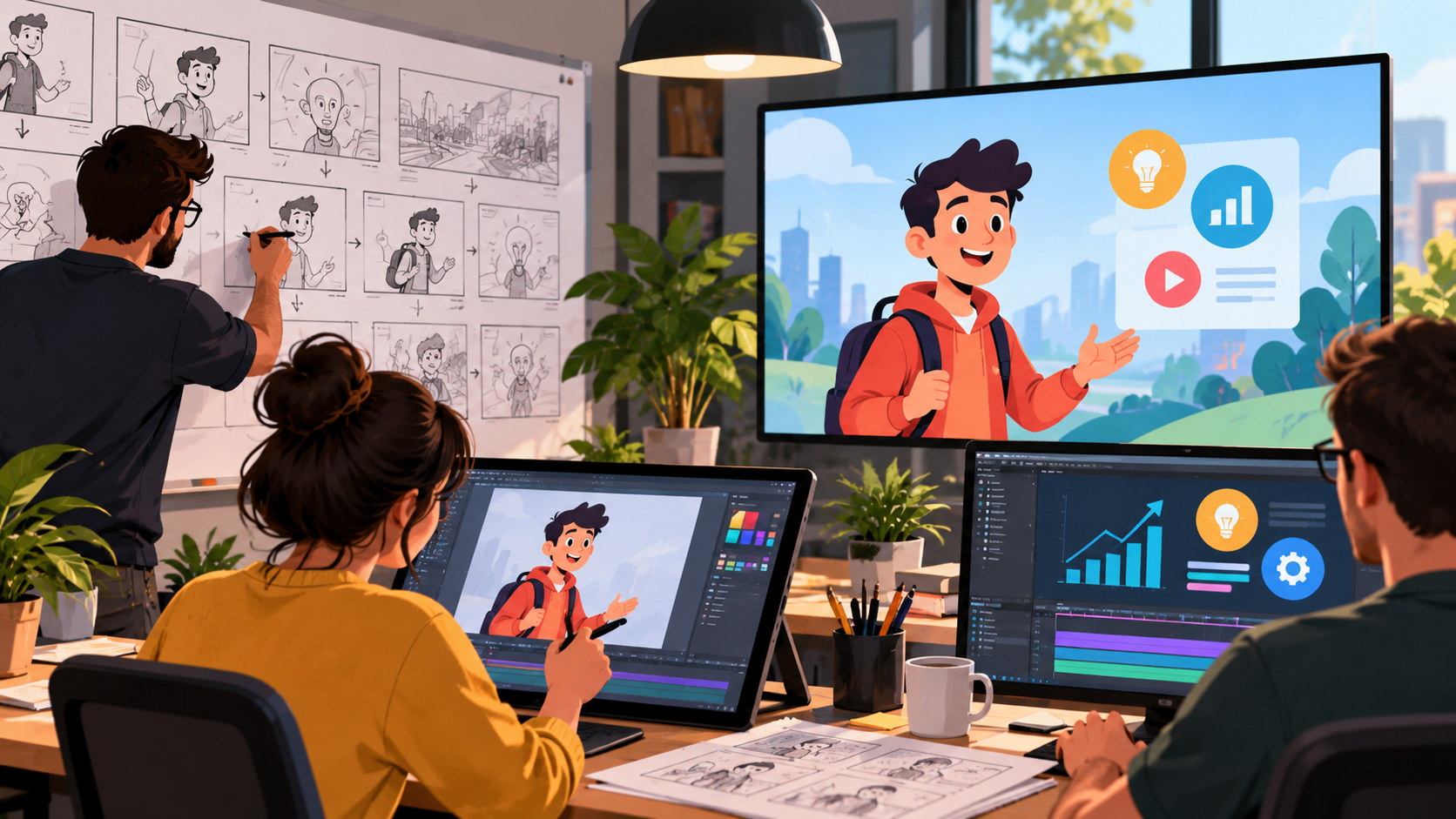
Most brand videos don’t fail because of bad drawings. They fail in the first five seconds, when the viewer can’t tell what the video is about or why they should care. That’s where good 2D animation services, sharp motion graphics, and careful storyboard design earn their keep.
These three skills often get lumped together. They shouldn’t be. Each one solves a different problem, and knowing the difference helps you brief your team, set a realistic budget, and get a video people actually finish watching.
Why Animation Still Works for Brands
Liveaction video needs locations, actors, lighting, and good weather. Animation needs a clear idea and a skilled team. That tradeoff makes it a smart pick for products that are hard to film, like software, financial services, or anything that happens inside the human body.
Animation also ages well. You can update a price, swap a logo, or translate the voiceover without reshooting a thing. For brands running campaigns across several markets, that flexibility saves real money.
It sticks in the mind, too. Think of Duolingo’s green owl. Duo shows up in app notifications, social clips, and ads, and his simple 2D style makes him easy to spot on any screen.
2D Animation Services: When Characters Tell the Story
2D animation creates movement on a flat plane. Characters, backgrounds, and objects are drawn and then brought to life frame by frame or with digital rigs. The result feels warm and personal, which is why it suits storytelling so well.
Headspace is a great example. The meditation app uses soft, rounded 2D characters to explain stress, sleep, and focus. Topics that could feel heavy become friendly and easy to approach. That’s the real strength of 2D. It shows how something feels as well as what it does.
Where 2D Animation Fits Best
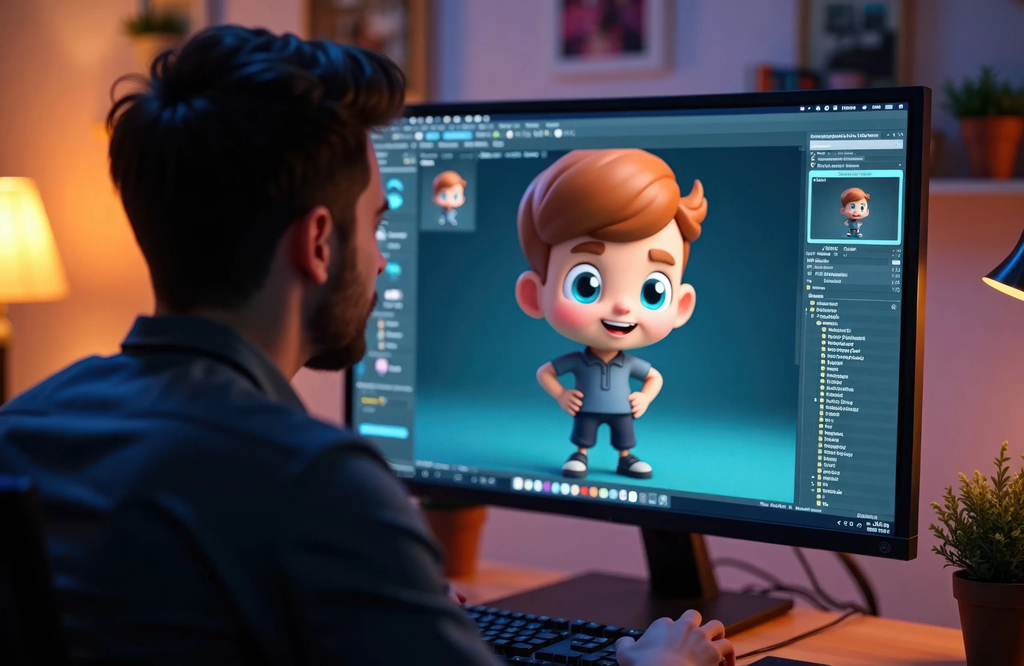
- Explainer videos with a main character facing a problem
- Brand mascots and recurring social media content
- Training, onboarding, and internal videos
- Education and children’s content
A good 2D animation team will also think about style early. Flat design, hand-drawn texture, and bold cartoon outlines each send a different message. The style should match your brand voice, not the animator’s favorite look.
Motion Graphics Services: Making Information Move
Motion graphics are graphic design in motion. Instead of characters acting out a scene, you get text, icons, shapes, charts, and logos moving with purpose. It’s the go-to choice when the message is about data, features, or ideas rather than people.
Spotify Wrapped shows how powerful this can be. Each year, bold colors, kinetic type, and animated stats turn a user’s listening history into something people rush to share. The numbers aren’t new to Spotify. The motion is what makes them exciting.
Apple’s product launch videos use the same approach. Specs glide into frame, features appear one at a time, and the viewer never feels overloaded.
Motion graphics also shine in short formats. A six-second bumper ad, a looping product teaser, or an animated logo reveal can be built quickly and resized for every platform.
Motion Graphics vs 2D Animation
The easiest way to tell them apart is to ask one question. Who or what is the hero of your video? If it’s a character, you likely need 2D animation. If it’s information, motion graphics will usually do the job faster and at a lower cost.
Many strong videos blend both. Kurzgesagt, the popular science YouTube channel, mixes its cute 2D birds with clean infographic sequences. The characters hold your attention while the graphics carry the facts.
Storyboard Design: The Step Too Many Brands Skip
This part rarely gets credit. Before anything moves, someone has to plan every shot. Storyboard design turns a script into a sequence of rough frames that show what the viewer will see, what they’ll hear, and how long each moment lasts.
Pixar treats story boarding as the place where stories get fixed. Its artists pitch boards, cut them into rough story reels, and rework scenes again and again before full animation begins. Changing a sketch takes minutes. Changing a finished animated scene can take weeks.
The same logic applies to a 60-second brand video. A storyboard helps you catch a confusing scene, a weak hook, or a buried call to action while fixes are still cheap.
It also gets everyone on the same page. Clients, writers, and animators can point to the same frame and discuss it, instead of guessing what someone meant in a long email thread.
What a Useful Storyboard Includes
A storyboard doesn’t need polished art. It needs clarity. Each frame should cover a few basics.
- The main action and camera angle
- The matching voiceover line or on-screen text
- Notes on transitions and movement
- A rough timing for the scene
Some teams go one step further and build an animatic. This is a timed slideshow of the boards with a scratch voiceover. It’s the closest you’ll get to watching your video before it exists.
How the Three Work Together
Most projects move through four stages. The script comes first and locks the message. Storyboard design then maps that message into scenes. Next, the team picks the right technique for each scene, using 2D animation for emotional moments and motion graphics for stats and features. Sound design and voiceover finally pull everything into one smooth piece.
When these steps happen in order, revisions stay small. When teams jump straight into animation, feedback rounds pile up and deadlines slip.
How to Choose the Right Animation Partner
Not every studio is strong at all three. Before you sign, look for a few signals.
Check the portfolio for range. A team that only shows one style may struggle if your brand needs something different.
Ask about their process. If storyboards and animations aren’t part of it, expect surprises later.
Ask what the price includes. Some quotes cover the script, storyboard, voiceover, and music. Others charge for each one separately, and the final bill can look very different from the first estimate.
See how they handle feedback. Clear revision rounds and set milestones protect your budget and timeline.
Finally, ask how they measure success. A video that looks great but loses viewers halfway through isn’t doing its job.
Final Thoughts
2D animation brings warmth and personality. Motion graphics make complex information easy to follow. Storyboard design keeps the whole project on track. Treat them as separate skills that work best as a team, and your next video stands a much better chance of being watched to the end.
Start with the plan, choose the style that fits the message, and give each step the time it deserves.
