

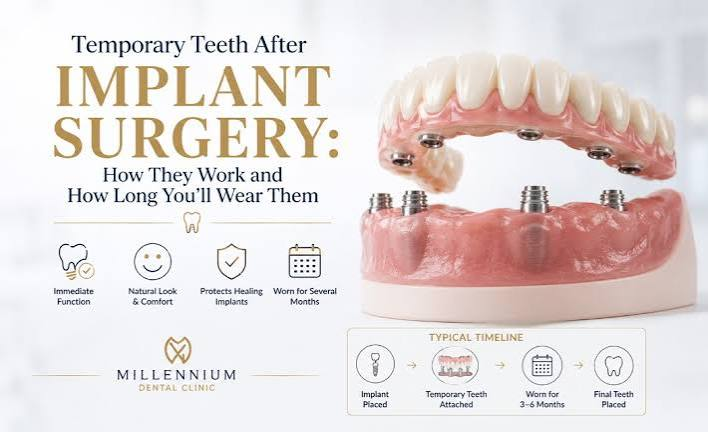
You finally decided to replace a missing tooth, or several teeth, and then a new worry shows up. What will you wear while the implant heals? That concern is real. Most people are not just thinking about bone and healing time. You are thinking about work, meals, photos, speech, and whether anyone will notice. Temporary teeth matter because they sit right in the middle of comfort, appearance, recovery, and periodontal care for patients throughout Middlesex County.
During implant treatment, a temporary tooth or temporary bridge can protect the area, help you speak more normally, and make the process feel manageable. It can also create problems if it does not fit well, puts pressure on the implant site, or is treated like a permanent tooth. The goal is simple. You want something that looks acceptable, feels stable enough for daily life, and does not interfere with healing. That is why asking the right questions before treatment starts can save you stress later.
Temporary teeth during dental implant treatment affect comfort, healing, and confidence
Many patients assume the implant itself is the whole treatment. It is not. The weeks or months between implant placement and the final crown often shape your day to day experience more than the surgery does. A temporary option may be removable, bonded to nearby teeth, or attached in select cases. Each choice comes with tradeoffs, and those tradeoffs are easier to handle when they are discussed early.
The first question to ask is, what kind of temporary tooth will I have? Some people receive a removable flipper or partial. Others may have a temporary bridge or a provisional tooth designed for appearance in the front of the mouth. If you are replacing a visible tooth, this question matters even more. A removable option may be more affordable, but it can feel bulky at first. A fixed option may feel more natural, but it is not right for every case.
The second question is, how will the temporary affect healing? This one is easy to overlook when you just want to leave the office with a full smile. Pressure on a fresh implant site can raise the risk of irritation or movement. According to the FDA guidance on dental implants, healing and long term success depend on healthy bone and proper care. A temporary tooth should support that process, not compete with it.
The third question is, what can I eat and what should I avoid? This sounds basic until you are home, hungry, and unsure whether one wrong bite could cause a problem. Soft foods are often safest early on. Hard crusts, sticky candy, nuts, and chewing directly on the temporary can lead to cracks or excess force at the site. If your temporary comes loose during dinner or starts rubbing your gums, you want to know in advance whether that is an inconvenience or a reason to call right away.
Speech, appearance, and daily routines change with temporary implant teeth
The fourth question to ask is, how will this temporary affect the way I speak and look? You may be fine with a short adjustment period, but you deserve honesty about what that period may feel like. Some temporary teeth alter airflow and tongue placement, especially in the first week. A front tooth temporary may look good in photos but still feel different when you say certain words. That does not mean something is wrong. It means your mouth is adapting.
The fifth question is, how do I clean it without damaging the area? Oral hygiene gets more confusing when a temporary restoration is involved. You may need a soft brush, a special rinse, or a different flossing method around the site. The Veterans Health Library overview of dental implants explains that plaque control is part of protecting both gums and bone. If cleaning instructions are vague, ask for a demonstration. Guessing usually leads to either overcleaning with too much force or avoiding the area entirely.
The sixth question is, what happens if the temporary breaks or feels loose? This is where stress tends to spike. A crack before a meeting, a loose temporary before a trip, or soreness that gets worse instead of better can leave you wondering if the whole treatment is failing. Often, the temporary itself is the issue, not the implant. Temporary dental materials are meant to serve for a limited period, and the University of Pennsylvania guide to temporary dental restorations shows how these restorations function as short term solutions while the mouth heals or awaits the final restoration.
Comparing temporary tooth options helps you choose what fits your life
| Temporary Option | How It Works | Main Benefit | Main Concern |
|---|---|---|---|
| Removable flipper | Light removable tooth replacement worn during healing | Lower cost and easy to adjust | Can feel bulky and may move when eating or speaking |
| Essix retainer with tooth | Clear tray with a replacement tooth built in | Good appearance, especially for front teeth | Less durable for chewing and must be removed for cleaning |
| Temporary bonded bridge | Attached to nearby teeth rather than removed daily | More stable feel and better confidence in public | May be harder to clean and not ideal in every case |
| Immediate provisional on implant | Temporary attached at or soon after implant placement in select cases | Feels closest to a natural tooth | Requires the right bite, bone support, and strict bite limits |
If you are weighing temporary teeth for implants, the best option is usually the one that protects healing and fits your routine, not the one that sounds most convenient on day one. A teacher who speaks all day may prioritize stability and speech. Someone healing after multiple implants may need a removable option that avoids pressure. A skilled implant dentist or periodontist should match the temporary plan to the biology, not just the calendar.
Clear next steps make implant treatment easier to manage
Ask for the temporary plan before surgery. Do not leave this as a last minute detail. Ask what you will wear, how long you will wear it, what it will look like, and what limits come with it.
Get food and cleaning instructions in writing. You are less likely to forget details when soreness, swelling, or medication are part of the day. Written instructions help you protect the site and avoid avoidable setbacks.
Know the warning signs and who to call. Mild soreness and adjustment are common. Sharp pain, a loose temporary, bleeding that does not stop, or a bite that feels wrong should be reported. Having that contact plan ahead of time lowers panic when something feels off.
Implant treatment asks for patience, and the temporary phase is often the part people underestimate. Still, this stretch does not have to feel confusing. The right questions can turn a vague promise of “something temporary” into a plan you understand and can live with. If you are considering care from a periodontist and implant dentist, ask these six questions early and make sure your temporary tooth supports both your healing and your peace of mind.
