

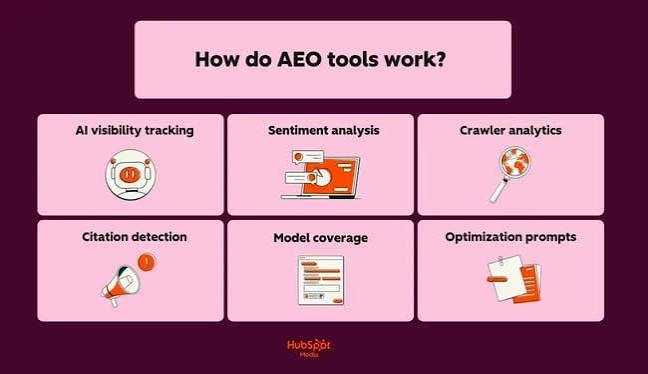
The changeover from conventional blue link optimization for search engines to Answer Engine Optimization (AEO) has brought about major changes to digital marketing. As consumers increasingly use chatbot assistants rather than search engines to search online, it has become more important to be cited as an authority within the answer generated by the algorithm. These algorithms are constantly crawling and using web content in their answers to queries. If you aren’t being cited by LLMs when consumers pose questions, then you don’t exist in the digital world.
Establishing strong aeo visibility requires specialized analytics that unpack how AI search engines interpret, cite, and recommend your business online. With dedicated tools like Llumo, brands can audit their synthetic search footprint, map digital citations, and optimize for AI models without paying standard enterprise markups.
1. Multi-Model Share of Voice Dashboard
Monitoring a single AI assistant leaves massive blind spots across your target market. Modern consumers split their time across ChatGPT, Perplexity, Gemini, Copilot, Grok, and Google AI Overviews.
The centralized Share of Voice dashboard inside Llumo tracks your brand’s recommendation rate across every major LLM surface simultaneously. It calculates your overall market penetration by analyzing how frequently your brand appears relative to competitors for specific product and industry queries.
2. Advanced Citation Source Mapping
AI answer engines derive their factual authority from real-time web references and training data sources. When an engine issues a direct recommendation, it credits specific domain names, media outlets, and review portals.
| Feature Layer | Data Point Extracted | Optimization Impact |
| Domain Citation Analysis | Cited third-party URLs & domains | Targets specific PR & guest posting efforts |
| New vs. Lost Citations | Historical reference tracking | Flags content decay & lost domain authority early |
| Competitor Citation Footprint | External sites recommending rivals | Identifies link-building gaps for AEO teams |
By pinpointing the exact sites shaping AI responses, marketing teams can prioritize PR outreach to the high-authority domains that generative engines trust most.
3. Query Fan-Out Deconstruction
Unlike traditional search engines that target a single static phrase, generative models process user prompts through query fan-out. The underlying system breaks down, rephrases, and expands a user’s initial prompt into multiple background sub-searches to gather comprehensive context.
Analyzing this fan-out behavior reveals the hidden secondary queries generated by the AI behind the scenes. Structuring your content to directly address these background questions allows your site to capture citations during the model’s research phase.
4. Prompt-Level Granular Analytics
High-level visibility metrics can hide critical positioning flaws. Deep prompt-level inspection allows marketers to view the exact text responses generated by each AI engine across hundreds of target prompts.
You can inspect individual answers to confirm whether your brand is presented accurately, check if key features are highlighted, and review which specific pages are hyperlinked within the model’s output window.
5. Bring Your Own Key (BYOK) Infrastructure
Traditional AI tracking software often forces users into rigid subscription tiers with strict prompt caps. Operating under a “Bring Your Own Key” (BYOK) model changes this dynamic by letting you connect your direct API keys from providers like OpenAI and Anthropic.
By paying providers directly for baseline API usage, you eliminate arbitrary SaaS markups. This architecture allows growing businesses to scale daily prompt tracking to thousands of queries at pure infrastructure cost.
6. Competitor Trendline & Benchmark Comparison
Winning in AEO is a relative exercise; staying visible depends on how your brand compares to immediate market competitors.
Tracking feature sets plot your brand’s growth curve against industry rivals across custom prompt clusters. When a competitor launches a successful content campaign or earns new citations, the platform highlights the shift so your team can adapt its optimization strategy immediately.
7. Actionable Content Prioritization Engine
Raw data must translate into clear execution steps to deliver real business value. The platform converts citation gaps, prompt losses, and competitor advantages into prioritized action plans.
Instead of guessing which pages need updates, content teams receive direct recommendations on specific articles to refresh, structural schema additions to implement, and authority signals to strengthen across the web.
8. Custom Subdomain & Dedicated Instance Deployment
For marketing agencies and enterprise brands, data isolation and custom presentation are essential. The platform offers dedicated instances deployed directly to your custom subdomain.
Agencies can brand their analytics environments, isolate client workspaces, manage unlimited project profiles, and deliver client-ready AEO reports without running into restrictive account caps or shared usage limits.
FAQs
Q: How does tracking AEO differ from traditional Google keyword tracking?
A: Traditional rank trackers record static blue-link positions, whereas AEO tools track synthesized conversational answers, direct brand recommendations, and citation sources across generative models.
Q: What is the main benefit of the Bring Your Own Key (BYOK) framework?
A: BYOK eliminates platform subscription fees by allowing you to pay underlying API infrastructure costs directly, making daily tracking across thousands of prompts highly affordable.
Q: Why is tracking query fan-out important for content teams?
A: Query fan-out reveals the background searches an AI runs to answer a prompt, allowing content creators to address hidden subtopics and capture citations more effectively.
Q: How often should brands audit their citation sources across AI models?
A: Because generative engines index web updates rapidly, monitoring citations daily or weekly helps teams identify lost domain references and counter competitor gains in real time.
Conclusion
Navigating the shift toward conversational discovery requires dedicated tools capable of analyzing how generative models process and recommend your business. By tracking real-time citations, mapping query fan-out, and benchmarking Share of Voice across every major AI surface, modern brands can systematically build long-term authority. Utilizing specialized platforms like Llumo gives organizations the data-driven insights needed to maximize their aeo visibility, protect market share, and lead the modern search landscape.
