

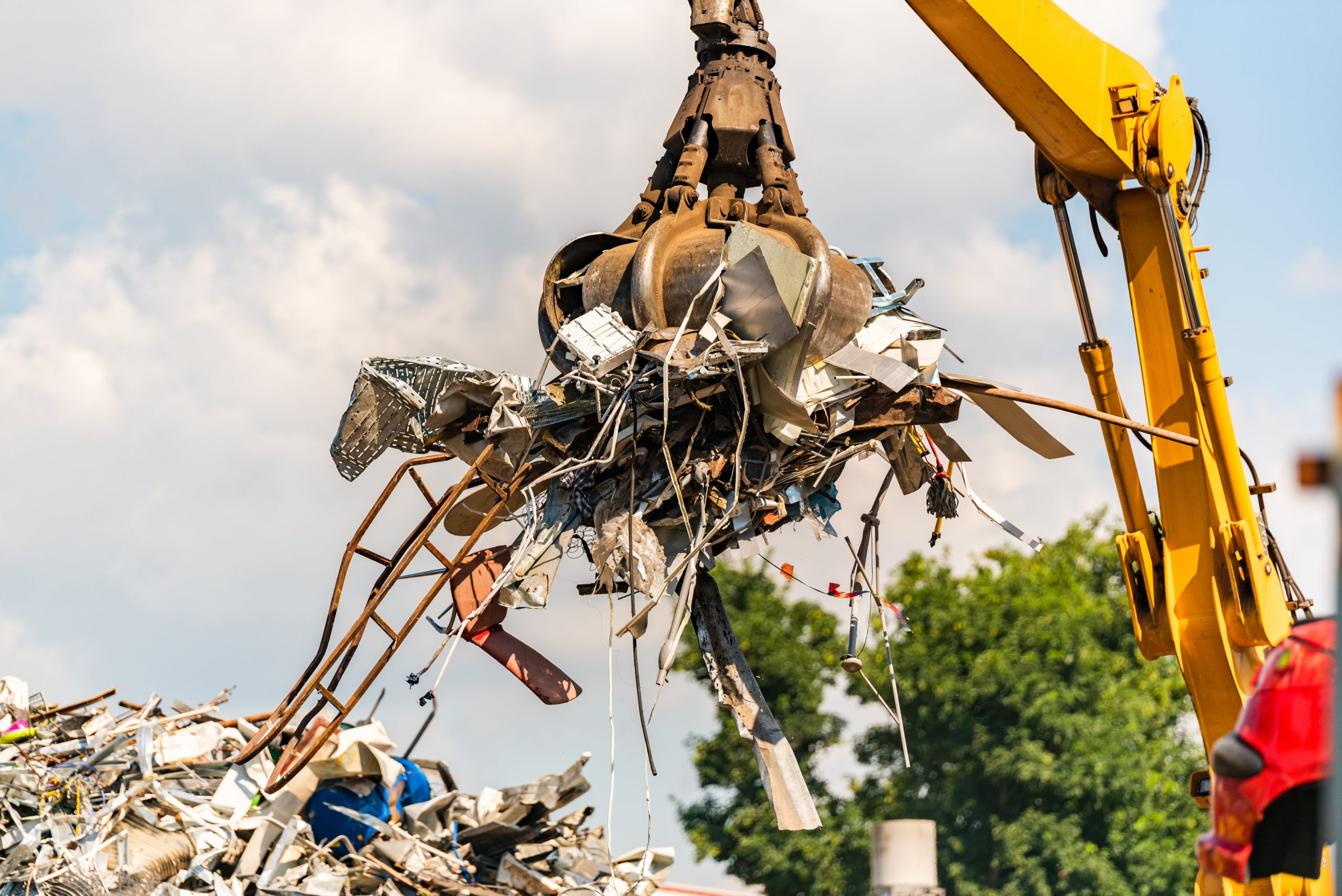
As a raw material, metal is one of the very few materials in industry that can be recycled infinitely with no loss in physical or chemical properties. Instead of allowing metal and other manufacturing offcuts to pile up in landfills, resource recovery converts them to raw materials for other manufacturing processes. With a greater emphasis on supply chain sustainability and the need to comply with increasingly strict environmental laws, partnering with metal recycling professionals in Melbourne helps businesses monetize their waste streams and lessen their impact on the environment while fostering a true circular economy.
From higher end non-ferrous metals like brass and copper to lower end structural and heavy ferrous metals, understanding commercial metal recovery provides businesses a means to turn a potential cost center to a profit center.
The Industrial Value Chain: Understanding Ferrous vs Non-Ferrous Scrap
To optimize returns from metal scrap, businesses must differentiate between the two main categories. Each category is processed and valued differently.
Non-Ferrous Metals: High-Value Material Recovery
Non-ferrous metals are mainly used in industry and are prized for their non-magnetic characteristics, high resistance to corrosion, and lack of significant iron content. Compared to other base metals, non-ferrous metals carry a premium on global metal exchanges. Some of the best non-ferrous metals are:
- Copper: Is used in electrical wiring and in plumbing as pipes and fittings. Copper in the form of bright wire (bare, uncoated copper wire) fetches the best price.
- Aluminum: Is used in frames of windows and doors, and in engine and other parts of vehicles and machinery. Aluminum is also used in beverage cans. Recycling aluminum takes 95% less energy compared to producing it from bauxite.
- Brass and Bronze: Are used in marine hardware, plumbing and household fittings, valves, and other items.
- Stainless Steel: Is used in cookware, other kitchen equipment, and medical equipment.
Step-by-Step Commercial Metal Recovery Process
Commercial metal recovery is an integrated, seamless system of metal collection, processing, and metal refining, which is managed to enhance purity and maximize throughput.
1. On-site Scrap Management and Bin Placement
Scrap collected from factories and construction sites is managed by recyclers who place skip bins or roll-off containers (RO/ROs) to collect scrap as close as possible to the source.
2. Sorting and Size Reduction
Industrial Magnetic and Eddy Current Separators, along with Manual Sorting Lines, are used to separate ferrous and non-ferrous materials. Large, heavy shears are then used to cut and reduce the size of scrap to a manageable size for processing.
3. Smelting and Re-Refining
Scrap, once processed, is ready for smelting. It is delivered to foundry furnaces to be melted down to purify the metal. Once purified, the molten metal is poured out to form metal ingots, billets or rods. These are ready to re-enter the manufacturing process.
Strategic Financial and Environmental Advantages for Businesses
Structuring metal scrap recycling into existing processes provides financial advantages in addition to standard environmental benefits.
Unlocking Hidden Revenues
Scrap represents tied-up capital. When metals are collected and separated from waste, it creates a new direct source of cash, offsetting project costs and overheads.
Waste Disposal Costs
Continuously reducing waste disposal costs is a challenge for all businesses. Separating recyclables from general waste considerably reduces landfill waste and waste removal costs.
Environmental Compliance and ESG Goals
Recent clients expect businesses to meet certain goals for sustainability. Using metals recycling to lessen raw mining and reduce fossil fuel and industrial water use are measurable goals for ESG reporting.
Union Metal Recycling has many years’ experience in scrap metal recycling across Melbourne. They have transparent weighing and payment procedures, and are able to place scrap bins where they are most helpful to commercial and industrial businesses and demolition projects.
How to Get Top Dollar for Your Metal Scraps
For the best rates from metal scraps and off cuts, here’s what you need to know:
Separate by Type at the Source
Do not mix different kinds of scraps. Ferrous metals, like steel, will combine with non-ferrous metals, like brass and copper, and decrease the value of the whole lot. Segregate materials in bins to prevent contamination, and you will get better payouts.
Clean and Strip
If there is plastic or other contaminants attached to metal, scrap it off to increase the value of your scraps. Clean metal sells for a higher price than contaminated metal.
Make a Schedule
If you work with a consistent metal buyer, you will also be able to schedule pick-ups of your bins, keeping your work place clutter free.
Know the Going Rate
Prices fluctuate. The scrap metal buyer you work with should be transparent about the going rates.
Conclusion
There are a lot of benefits to scrap metal recycling, including creating an innovative, sustainable future while also helping your bottom line. By working with a trusted scrap metal buyer in Scrap Metal Recycling Melbourne, you can ensure you are getting the best prices for your metal scraps.
