

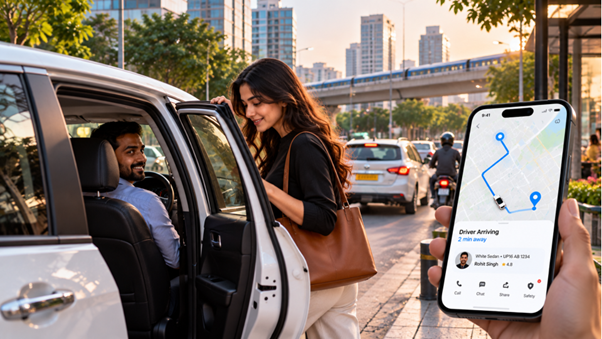
A few years ago, getting a taxi meant standing on a roadside, waving at passing cars and negotiating a fare. Today, millions of people open an app, see the price, check the driver’s details and share their trip with a family member before the car even arrives.
That change did not happen because of a single feature. It came from a combination of mapping, matching algorithms, payments and safety tools working together. For any Taxi App Development Company in India, these layers define whether a ride-hailing product feels trustworthy or merely functional.
How Matching Works
When a rider requests a trip, the platform has seconds to decide which driver should receive it. The decision is not always the closest car. Systems weigh:
• Distance and estimated arrival time
• Driver ratings and acceptance history
• Vehicle type requested
• Traffic conditions around the pickup point
• Whether a driver is about to finish a nearby trip
A smart match shortens waiting time and reduces cancellations. It also keeps drivers busy, which improves earnings and keeps them on the platform.
Navigation and Route Intelligence
Accurate navigation is the backbone of the experience. Beyond turn-by-turn directions, ride-hailing systems use live traffic, historical patterns and road restrictions to estimate arrival times and fares.
Common challenges in Indian cities include narrow lanes, unmarked pickup points and sudden road closures. Features that help include:
• Pin adjustment so riders can mark the exact pickup spot
• Suggested pickup points near large landmarks
• Rerouting during congestion
• Offline-friendly navigation for patchy network areas
Better route intelligence leads to fairer fares and fewer disputes about distance.
Safety Is Now a Core Feature
Safety is often the deciding factor, especially for women, late-night travelers and families. Technology contributes in several ways:
1. Trip sharing: riders can send live location to trusted contacts
2. SOS buttons: one-tap alerts to emergency contacts or support teams
3. Ride PIN verification: confirms the rider is entering the right vehicle
4. Driver verification: background checks, document validation and photo matching
5. Route deviation alerts: warnings if a trip departs from the expected path
Many platforms also monitor unusual behavior, such as long unexplained stops, and can prompt a check-in.
Looking After the Driver Side
A ride-hailing platform has two customers: riders and drivers. Drivers need clear earnings information, fair dispatch and respectful support. Useful tools include:
• Transparent earnings summaries and payout schedules
• Heat maps showing high-demand areas
• Document renewal reminders
• Rating feedback with constructive explanations
• Fatigue or rest prompts after long hours
Driver management also involves onboarding, training and handling violations consistently. A platform that treats drivers fairly tends to retain them, and driver retention strongly affects service reliability.
Pricing and Payments
Riders prefer knowing the fare before they travel. Upfront pricing, combined with clear explanation of surges or tolls, reduces surprise. Payment options should include UPI, cards, wallets and cash where relevant.
Surge pricing is controversial. Used carefully, it encourages more drivers to enter high-demand areas. Used carelessly, it frustrates riders. Showing a clear notice and an alternative, such as waiting a few minutes for lower prices, helps maintain trust.
Improving the Rider Experience
Smaller touches shape how people feel about a service:
• Accurate arrival countdowns
• Easy vehicle identification with plate number and photo
• Multiple stops and scheduled rides
• Simple cancellation rules
• In-app support with quick responses
• Accessibility options for passengers with special needs
These details rarely make headlines, yet they influence repeat usage.
Building for Real Conditions
Ride-hailing apps must function across a wide range of devices and network qualities. Because Android dominates the Indian smartphone market, many taxi platforms work with an Android App Development Company to ensure the driver and rider apps perform smoothly on mid-range phones, handle background location efficiently and conserve battery.
The back end matters equally. Real-time location updates, dispatch engines and payment processing must remain stable during peak hours, rain and large events.
Beyond the Standard Taxi
The same technology is expanding into other transport models:
• Airport transfers and outstation rides
• Corporate employee transportation
• Bike taxis and auto-rickshaw booking
• Shared and pooled rides
• Electric vehicle fleets with charging management
Each variation has its own operational rules, but the core principles of matching, safety and transparency remain consistent.
Conclusion
Ride-hailing has changed urban mobility by replacing uncertainty with information. Riders know who is arriving, how much they will pay and how to ask for help, while drivers gain a steadier flow of work and clearer expectations.
As cities grow, platforms that prioritize safety, reliability and fair treatment will earn lasting trust. Working with an experienced Software Development Company in India can help transport businesses build systems that scale while keeping those priorities intact.
