


Busy days make healthy eating difficult. Skipped breakfasts, desk lunches and late dinners leave real gaps in your nutrition, which is why many people now look at multivitamins in Pakistan to cover what their meals miss. Supplements can help, but they work best on top of a solid eating routine. This guide shows you how to build a balanced diet around a packed schedule and when a multivitamin makes sense.
What a Balanced Diet Actually Looks Like
A balanced diet gives your body the right mix of macronutrients and micronutrients every day. Macronutrients are carbohydrates, protein and fats. Micronutrients are the vitamins and minerals your body needs in smaller amounts for energy, immunity, bone health and mood.
A simple way to picture a balanced plate is to fill half with vegetables and fruit, a quarter with lean protein such as chicken, fish, eggs or lentils, and a quarter with whole grains such as brown rice or whole wheat roti. Add a small portion of healthy fats like nuts, seeds or olive oil, and drink plenty of water. You do not need perfection at every meal. You need consistency across the week.
Why Busy Schedules Break Healthy Habits

Long work hours, commuting, family duties and study pressure all compete with meal planning. When time is short, convenience wins. That usually means fried snacks, sugary drinks, white bread and takeaway meals.
Over time this pattern can lead to low energy, poor concentration, disturbed sleep and weaker immunity. It also tends to reduce your intake of fibre, vitamin C, vitamin D, iron, calcium and B vitamins. The good news is that a few small systems can fix most of the problem.
Smart Ways to Eat Balanced When You Are Short on Time
You do not need hours in the kitchen. Try these practical habits:
- Plan your week in ten minutes. Decide on three or four simple dinners and write a short shopping list.
- Batch cook once or twice a week. Make a pot of lentils, grilled chicken or boiled eggs that you can reuse in different meals.
- Prepare breakfast the night before. Overnight oats with fruit and nuts, or a boiled egg with whole wheat toast, takes minutes.
- Keep healthy snacks within reach. Almonds, dates, roasted chickpeas, yogurt and seasonal fruit beat biscuits and chips.
- Choose smarter takeaway options. Grilled items, salads, soups and daal-based dishes are better than heavy fried foods.
- Do not skip meals. Long gaps often lead to overeating later and poor food choices.
- Hydrate on schedule. Keep a water bottle on your desk and sip through the day.
A Simple Balanced Day for Busy People
Here is a realistic example you can adapt:
Breakfast: Two eggs, one whole wheat paratha or toast, and a banana.
Mid-morning: A handful of almonds and a cup of green tea.
Lunch: Chicken or daal, mixed vegetable salad, and a small portion of rice or one roti.
Afternoon: Yogurt with seasonal fruit.
Dinner: Grilled fish or vegetable curry with salad and a small serving of whole grains.
This plan is easy to prepare, affordable and covers most food groups. Adjust portions to match your age, activity level and health goals.
Where Multivitamins Fit In
Even with careful planning, some days will not go as intended. Travel, long shifts, fasting periods, restricted diets and low appetite can all reduce your nutrient intake. This is where a multivitamin can act as a safety net.
A good multivitamin supplies small amounts of essential vitamins and minerals such as vitamin A, B-complex, C, D, E, zinc, magnesium and iron. It can help fill minor gaps, support energy metabolism and back up your immune system. Some groups benefit more than others, including vegetarians, older adults, people with limited sun exposure and those with demanding work or training schedules.
However, a multivitamin is not a replacement for real food. It cannot provide the fibre, protein, healthy fats and plant compounds that whole meals offer. Think of it as support, not a shortcut.
How to Choose the Right Multivitamin
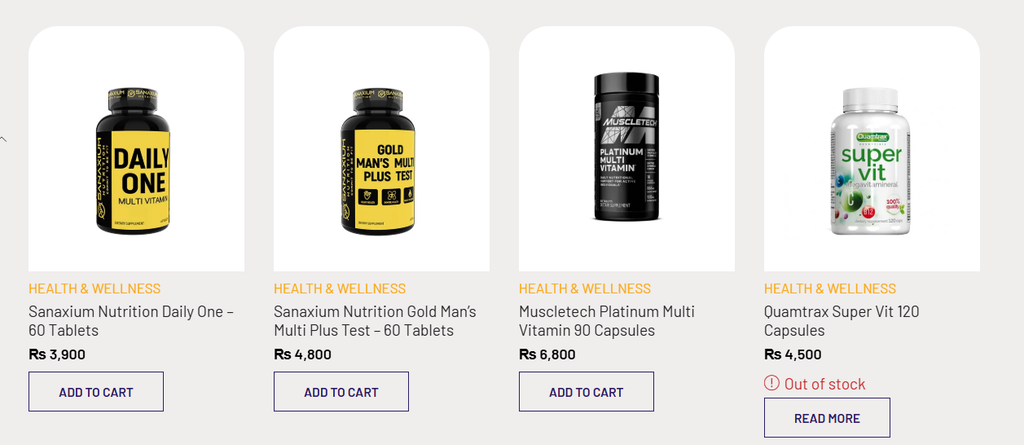
The market is crowded, so a little label reading goes a long way. Keep these points in mind:
- Buy from an authorized seller. Fake and expired products are a real risk, so always choose a trusted retailer that sells genuine imported brands.
- Check the expiry date and batch details. Make sure the seal is intact and the information is clearly printed.
- Match the formula to your needs. Men, women, seniors and active individuals have different requirements, so choose a product designed for your group.
- Read the nutrient list. Look for sensible amounts rather than extreme megadoses, which are usually unnecessary.
- Look for quality signals. Clear labelling, third party testing and reputable manufacturers are good signs.
- Consider the format. Tablets, capsules, softgels and gummies all work, so pick the one you will take consistently.
If you take regular medication or have a medical condition, speak with your doctor or pharmacist before starting any supplement.
Common Mistakes to Avoid
Many people use supplements in ways that limit their benefits. Avoid these errors:
- Relying on a multivitamin instead of eating vegetables, fruit and protein.
- Taking several supplements that overlap in the same vitamins and minerals.
- Exceeding the dose on the label in the hope of faster results.
- Taking the tablet on an empty stomach, which can cause nausea for some people.
- Expecting instant changes. Nutrient support builds gradually, usually over weeks.
Final Thoughts
Maintaining a balanced diet in a busy lifestyle comes down to simple, repeatable habits. Plan ahead, prepare basic meals in advance, keep healthy snacks nearby and stay hydrated. When your schedule gets in the way, a quality multivitamin can help cover the small gaps, as long as it supports your meals rather than replacing them. Start with one or two changes this week and build from there.
Frequently Asked Questions
Do I need a multivitamin if I eat a balanced diet?
Not always. If your meals include varied vegetables, fruit, protein and whole grains, you may not need one. Multivitamins help when schedules, restricted diets or low appetite leave regular gaps.
When is the best time to take multivitamins in Pakistan?
Take your multivitamin with breakfast or lunch, since food improves absorption and reduces stomach upset. Avoid taking it late at night, and follow the dosage printed on the product label.
Can multivitamins replace healthy meals?
No. Multivitamins supply small amounts of vitamins and minerals but lack the fibre, protein, healthy fats and variety of food. Treat them as a backup, never a substitute for meals.
How do I choose a good multivitamin in Pakistan?
Buy from an authorized seller, check the expiry date and batch details, and compare the nutrient list with your needs. Choose a formula suited to your age, gender and lifestyle.
Are multivitamins safe to take every day?
Most healthy adults can take a standard daily multivitamin safely when following label directions. Avoid doubling up with other supplements, and consult a doctor if pregnant, on medication or unwell.
