

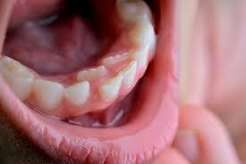
You brush, you floss, and your teeth may even be healthy, yet your smile still looks off in the mirror. The teeth can seem small, crowded, or hidden, and the real issue is not always the teeth themselves. Puffy or uneven gums can cover more of the tooth surface than they should, which makes otherwise healthy teeth look shorter than they are. An experienced family dentist in Castroville, TX can help identify whether excess gum tissue is affecting the appearance of your smile.
That can feel frustrating because it is hard to know what changed. Maybe photos started bothering you, or one side of your smile suddenly looks different from the other. In many cases, swollen gum tissue, irritation, or an uneven gumline changes the way your teeth appear. A family and cosmetic dentist can sort out whether the problem is simple inflammation, a change in the gum contour, or something that needs treatment before it gets worse.
Puffy gums change the shape of your smile before they change your teeth
Your gums frame each tooth. When that frame becomes swollen or irregular, the visible part of the tooth looks smaller. This is one reason swollen gums can make teeth look shorter even when the enamel is strong and free of major damage.
Gum tissue often swells because plaque collects along the gumline and causes irritation. You may notice redness, tenderness, or bleeding when you brush. Sometimes the change is subtle. Your teeth do not hurt, but they no longer look the same size they did a few months ago. In other cases, the gumline rises higher on one tooth than the next, creating an uneven look that draws your eye right to it.
According to MedlinePlus information on gum disease, gum disease begins with inflammation and can progress if it is not treated. Early gum problems can be easy to ignore because they do not always cause strong pain, but they can still affect how your smile looks every day.
Uneven gums can hide healthy teeth and create a tired appearance
When gums sit too low over the teeth, the smile can look heavy or childlike. When they are uneven, one tooth may appear longer while the next looks cut off. You might assume your teeth are worn down, but the shape you see may come from the soft tissue around them, not the teeth themselves.
This is where people often get stuck. They buy whitening products, change toothpaste, or focus on the front teeth, thinking the enamel is the problem. The color may improve, but the smile still looks short or unbalanced. If the gumline is the real issue, cosmetic fixes aimed only at the teeth will not correct the proportions.
Uneven gum tissue and short-looking teeth can also affect confidence in ways that sound minor until you live with them. You smile with your lips closed. You angle your face in pictures. You keep noticing one front tooth that looks smaller, even though your dentist has said the tooth itself is healthy.
The National Institute of Dental and Craniofacial Research explains on its gum disease resource page that gum disease is an infection of the tissues that hold teeth in place. That matters because what starts as a cosmetic concern can also point to inflammation that deserves care.
Healthy teeth can still look short when gum inflammation is the real problem
There are a few common reasons this happens. Plaque buildup is one. Hormonal changes can also make gums react more strongly and appear puffy. Some medications cause gum overgrowth. Mouth breathing, grinding, or poorly fitting dental work can add irritation. In some people, the gumline is simply shaped in a way that covers more tooth structure.
A dentist looks at more than the visible height of your teeth. They check whether the gums are inflamed, whether pockets have formed around the teeth, and whether the bone underneath is healthy. That full picture matters because treatment for inflamed gums is different from treatment for excess gum tissue or a naturally uneven gumline.
| What you notice | What may be causing it | What often helps |
|---|---|---|
| Teeth look shorter across the whole smile | General gum swelling from plaque or gingivitis | Professional cleaning, better home care, follow up exam |
| One or two teeth look smaller than the rest | Uneven gum contour or localized inflammation | Targeted dental evaluation, contouring if appropriate |
| Gums bleed when brushing and teeth look hidden | Early gum disease | Periodontal treatment and daily plaque control |
| Gums appear thick or overgrown | Medication effects or tissue overgrowth | Medical review, dental treatment, possible reshaping |
A family and cosmetic dentist can separate appearance concerns from health concerns
This is where a good exam helps more than guesswork. A family and cosmetic dentist can tell whether your short-looking teeth are really a gum issue, a tooth wear issue, or both. If the gums are inflamed, the first step is usually reducing irritation and letting the tissue heal. If the gums are healthy but still uneven, cosmetic gum contouring may be an option to reveal more natural tooth structure and improve balance.
The cost and scope of treatment depend on the cause. A routine cleaning and better home care may be enough for mild puffiness. More advanced gum disease needs deeper treatment. If the concern is mostly cosmetic, reshaping the gumline may be discussed after the tissue is healthy. That sequence matters because treating appearance before treating inflammation can leave the real problem untouched.
Three steps you can take right away
1. Pay attention to bleeding, puffiness, and symmetry. Look at your gumline in good light. Notice whether the swelling is all over, limited to one area, or paired with bleeding when you brush or floss. Those details help your dentist identify the cause faster.
2. Clean the gumline gently but thoroughly. Brush twice a day with a soft brush and angle the bristles toward the gumline. Floss daily. If your gums are sore, you may be tempted to avoid the area, but plaque left behind tends to make swelling worse.
3. Schedule an exam before trying cosmetic fixes on your own. If your smile suddenly looks different, get it checked. Whitening strips, aggressive brushing, and internet remedies will not correct hidden inflammation or an uneven gum contour. A proper diagnosis saves time and often prevents a bigger problem later.
Getting your smile back often starts with your gums
If your teeth look shorter than they used to, you are not imagining it, and it does not always mean your teeth are damaged. Puffy or uneven gums can change the whole look of a healthy smile. Once the cause is clear, treatment is usually much more straightforward than the worry leading up to it. If your smile looks different, schedule a visit with a family and cosmetic dentist and find out whether your gums are hiding more of your healthy teeth than they should.
