

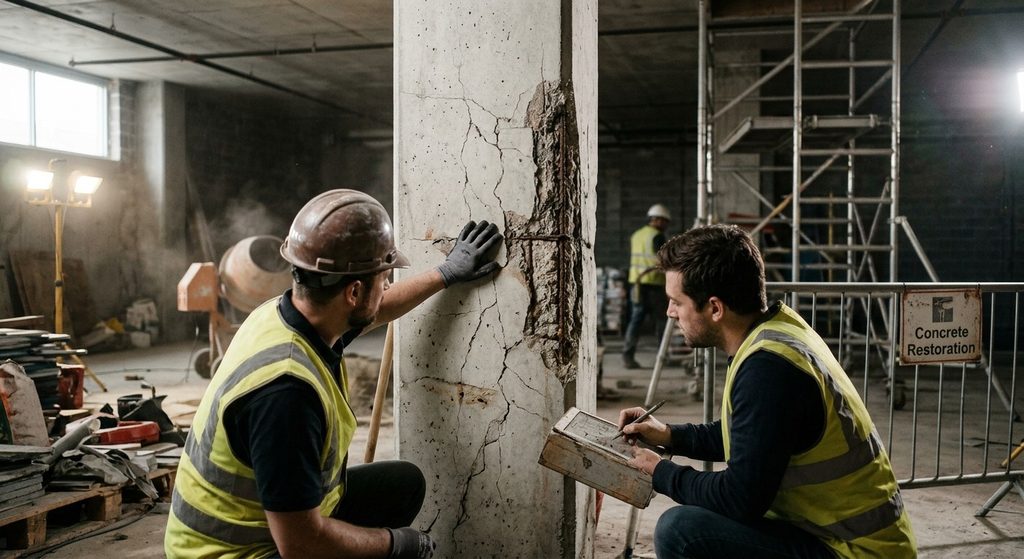
A property can look sound from the street while maintenance issues develop out of sight. Water entering through a cracked joint, loose concrete at a balcony edge, or a recurring garage leak can gradually affect the building and the people who use it. For owners and investors, maintenance is not just about appearance; it helps protect the asset, control repair costs, and support informed decisions. A concrete restoration contractor may be needed when visible damage points to a deeper issue. Knowing what to inspect and when to act helps owners avoid preventable emergencies. It also makes long-term budgeting and capital planning less reactive.
Why Routine Maintenance Protects a Real Estate Investment
A property’s value depends on more than its location, rental income, or interior finishes. The condition matters to tenants, buyers, and building managers. Delayed maintenance can let moisture spread, finishes fail, and repair work expand. Planned maintenance helps owners identify defects early. When concrete is cracked, spalling, or showing rust stains, a qualified concrete restoration contractor can assess the area and recommend a suitable repair. The goal is to address the cause, not just cover the damage.
Building Areas Owners Should Watch Closely
Give regular attention to areas exposed to weather, water, traffic, or repeated use. During walkthroughs, check:
- Balconies and façades: Look for cracking, flaking concrete, rust stains, loose finishes, and water marks.
- Parking garages: Note standing water, damaged joints, cracks, and worn areas exposed to vehicle traffic.
- Stairs and walkways: Watch for uneven surfaces, broken edges, and trip hazards.
- Basements and foundations: Look for recurring dampness, water entry, or cracks that are new or changing.
- Roof drainage: Check whether drains and downspouts are blocked or directing water toward the building.
Not every crack signals danger or needs major work. Location, pattern, movement, and surrounding conditions matter. Have new, widening, recurring, or water-related damage assessed instead of simply patching it.
What Should a Building Inspection Cover?
A useful inspection records a defect’s location, extent, and any change since the previous visit. Repair records and building plans help explain the structure’s history. For concrete, a professional may recommend closer visual checks, measurements, or tests to identify the cause and extent of deterioration. Repairs should follow those findings. Filling a crack without addressing water entry, movement, or reinforcement corrosion may leave the main issue unresolved. Turn findings into actions: assign each item a priority, an owner, and a target date. Address safety concerns promptly and budget for lower-risk work.
When Should You Call a Concrete Restoration Contractor?
Seek professional advice if concrete breaks away, reinforcement is exposed, rust staining spreads, cracks change, or water repeatedly enters. This matters around balconies, parking structures, stairs, and retaining walls. Keep people clear of areas where loose material could fall.
G. Batista Engineering and Construction can help owners make informed concrete repair decisions. Before hiring a contractor, ask how damage will be assessed, whether the work addresses its cause, what preparation and materials are planned, and how the repair will be checked. Compare written scopes, not vague promises to “fix the concrete.”
How to Make Maintenance Financially Manageable
Keep a property register of major components, known defects, past repairs, and inspection dates. Take photos from consistent viewpoints and update the record after severe weather, leaks, tenant reports, or nearby work.
Prioritize by risk: safety defects and active leaks should not wait for a convenient budget cycle. Schedule other work around access, tenants, weather, and funding. Where defects share a cause, consider fixing the cause rather than patching each symptom. Keep inspection findings, decisions, contracts, material details, and follow-up checks. This record helps future managers and gives buyers or lenders a clearer picture of the property’s upkeep.
Frequently Asked Questions
How often should a commercial property be inspected?
There is no schedule that suits every building. Frequency depends on age, materials, use, exposure, past defects, and local requirements. Follow applicable codes and professional recommendations, arrange routine walkthroughs, and seek additional inspections after leaks, severe weather, impact damage, or reports of changing cracks.
Does every concrete crack need to be repaired?
No. Some cracks are minor or stable, while others may relate to water entry, movement, corrosion, or structural concerns. Their location, width, pattern, and rate of change help determine the right response. Have a professional assess cracks that widen, reappear, leak, or occur in important structural areas.
What is concrete restoration?
Concrete restoration is the assessment and repair of deteriorated or damaged concrete so an element can serve its intended purpose. Depending on the findings, work may involve removing unsound material, treating or replacing affected reinforcement, preparing the surface, and placing a compatible repair material. The method depends on the cause and extent of damage.
Can delayed maintenance affect property value?
It can. Visible deterioration, recurring leaks, unresolved safety issues, and poor repair records may concern tenants, buyers, lenders, or insurers. Delays can also allow defects to spread and make repairs more disruptive. Regular inspections and clear documentation help owners understand the property’s condition and plan work before problems become harder to manage.
What should owners ask before hiring a concrete repair contractor?
Ask who will assess the damage, how its cause will be identified, what work is included, which materials will be used, and how the repair will be inspected. Request a written scope that clarifies exclusions, access needs, schedule, and any maintenance recommended after the work is complete.
