

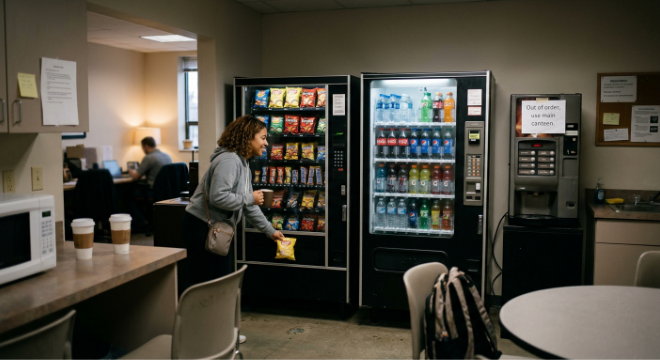
A busy workplace doesn’t always have time for a lunch run or a trip to a nearby store. Employees on short breaks, overnight shifts, or tight schedules may need a drink or snack without leaving the building. That is one reason vending machines in Las Vegas workplaces can be a practical addition to a breakroom. The right setup gives staff convenient access to refreshments and makes better use of shared space. Product selection, placement, restocking, and service all affect whether it remains useful.
Make Everyday Breaks More Convenient
Workplace vending lets employees pick up a snack or drink on site instead of spending part of a short break driving, walking to a shop, or waiting in line. It can be especially helpful in buildings with few nearby food options or teams that cannot easily leave their work areas.
For employers comparing vending machines in Las Vegas, the goal is to match the service to the workplace. A compact machine may suit a small office, while a larger site may need multiple machines or a wider refreshment setup.
Support Employees Working Different Shifts
Not every workplace follows a nine-to-five schedule. Hospitals, hotels, casinos, warehouses, and service businesses may have employees working evenings, overnight hours, weekends, or rotating shifts. Nearby cafés and shops may be closed when those employees take a break.
On-site vending gives staff another option when outside choices are limited. It does not replace a proper meal break, but it can make drinks and snacks easier to access between tasks. For round-the-clock operations, ask how often machines are checked and what happens when a popular item sells out.
3. Offer More Choice in the Breakroom
A vending machine is always useful when its products reflect what people at the location actually want. One office may need bottled water, sparkling drinks, and quick snacks. A distribution center may see more demand for filling items employees can take back to the floor. Ask staff what they would use and consider different preferences. A balanced mix might include:
- Water and low-sugar drinks alongside familiar favorites.
- Salty and sweet snacks in different portion sizes.
- Protein bars, nuts, or other filling options where there is demand.
- A few rotating products to keep the selection fresh.
Review sales and employee feedback. A menu that works in an office may not suit a hotel, workshop, or medical facility.
Make Better Use of Shared Workplace Space
A well-planned vending area can give a breakroom a clear purpose without requiring a full cafeteria. Machines can fit into underused spaces, provided people have room to approach them and move through safely. Avoid blocking exits, accessible routes, fire equipment, or busy walkways. Check power access, lighting, floor conditions, and whether the area is easy for the service team to reach.
How a Local Vending Partner Can Support the Breakroom
Installing equipment is only the first step. Machines need restocking, cleaning, repairs, and adjustments as demand changes. A service provider should explain its visit schedule, how employees can report a problem, and how product requests are handled.
Skytop Vending can help businesses consider different breakroom options, from traditional snack and beverage machines to micro markets, office coffee, pantry, and water or ice services.
What to Check Before Choosing a Vending Setup
Before signing an agreement, review the details rather than focusing only on the equipment. Ask prospective providers:
- Which products and brands can be included, and can the mix change?
- What payment methods are supported?
- How often will machines be restocked and cleaned?
- Who handles repairs, refunds, and product issues?
- Are there minimum space, power, or sales requirements?
- Are pricing, commissions, and contract terms clear?
When possible, start with a focused product range and review the results before expanding.
Keep the Service Useful After Installation
Review the vending program after it has been in place for a few weeks. Check which items sell, which remain untouched, whether employees are satisfied, and whether stockouts happen often. Use that information to refine the menu and service schedule. Set simple breakroom expectations: dispose of packaging, report equipment problems, and keep the area tidy.
Frequently Asked Questions
Are vending machines a good fit for small offices?
They can be, provided there is enough demand and a suitable place to install the equipment. A smaller machine with a focused selection may be more practical than a large setup. Discuss space, product options, service frequency, and any minimum requirements with the provider first.
What products should a workplace vending machine offer?
Start with employee preferences and the type of work being done. Water, popular drinks, snacks, and a few filling options can create a useful mix. Ask staff for input, review what sells, and adjust the selection instead of assuming every workplace wants the same products.
How often should workplace vending machines be restocked?
The schedule depends on employee numbers, sales, product types, and operating hours. A busy site may need more frequent visits than a small office. Ask the provider how it monitors stock, responds to empty machines, and changes visit frequency when demand rises or falls.
Can vending machines accept cashless payments?
Many modern vending systems support cashless options, but available methods vary by machine and provider. Ask whether employees can pay by card or mobile wallet, whether cash is also accepted, and how payment or refund problems are handled before installation.
What is the difference between a vending machine and a micro market?
A vending machine stores products behind a dispensing system, while a micro market is a self-service retail area with open shelves, coolers, and a checkout kiosk. Micro markets can offer more variety and fresh food but need more floor space and a different setup.
