

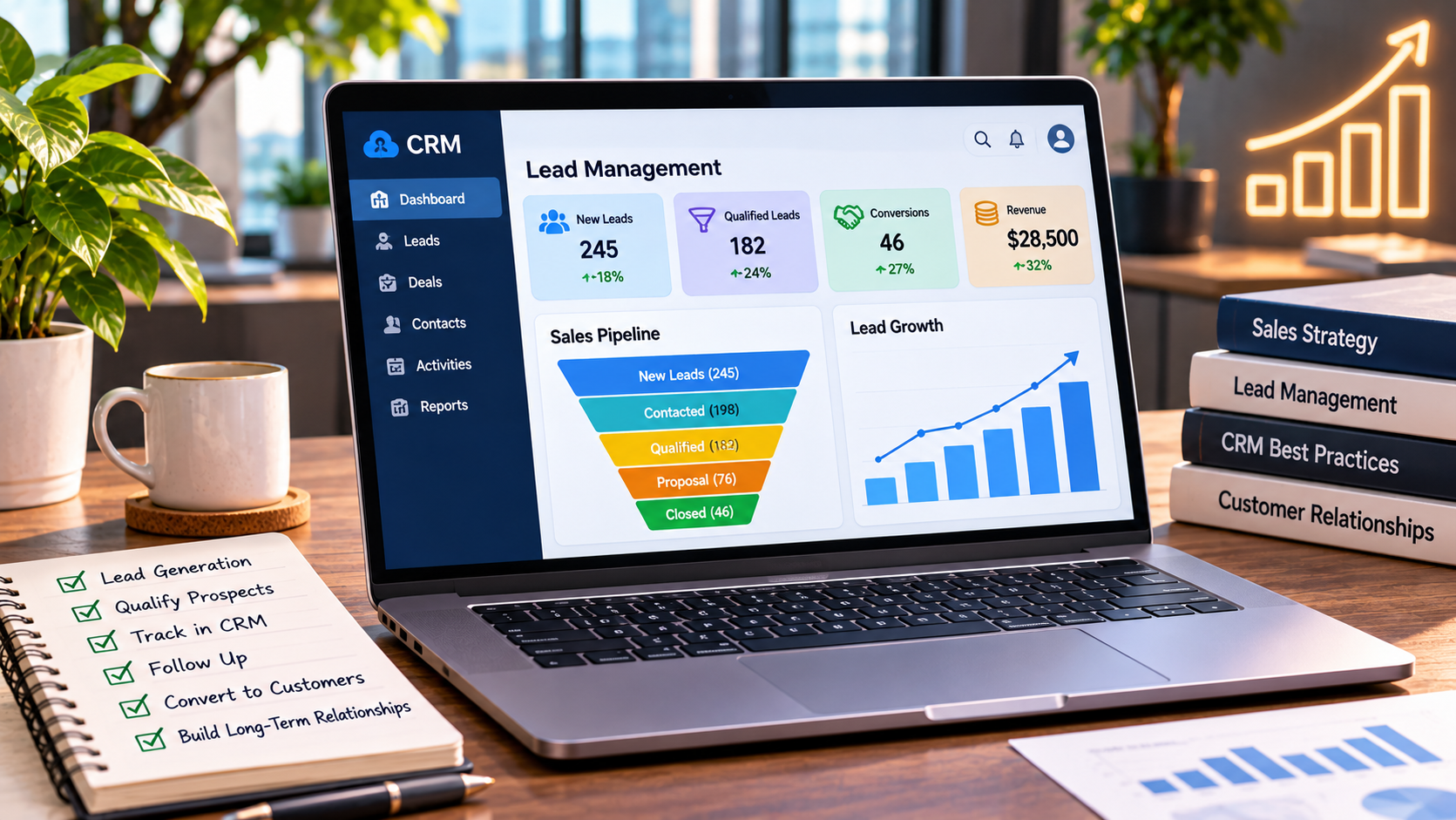
In today’s competitive business environment, finding potential customers is only one part of building a successful business. Companies also need an organized approach to identifying prospects, understanding their needs, and turning opportunities into long-term customer relationships. Platforms like Buy Intent Leads help businesses discover potential B2B customers through verified contact information and buying-intent signals. By combining effective lead generation strategies, suitable technology, and personalized communication, businesses can improve their sales processes and achieve sustainable growth.
Understanding the Importance of Quality Leads
Every successful sales strategy begins with finding people or businesses that are genuinely interested in a product or service. However, collecting a large number of contacts does not automatically lead to better sales results. Businesses need quality B2B leads that match their target audience and have a genuine interest in what they offer.
For example, a company selling software to small businesses should focus on reaching business owners, managers, and decision-makers rather than collecting random contact information. Understanding the target audience helps sales teams spend their time on opportunities that are more likely to convert.
Businesses should also consider factors such as industry, company size, location, purchasing needs, and budget when evaluating potential customers. These details help create a more focused sales strategy and improve communication with prospective buyers.
How Lead Generation Supports Business Growth
A consistent flow of new prospects is important for maintaining a healthy sales pipeline. Without a reliable way to attract potential customers, businesses may struggle to find new opportunities and maintain predictable revenue.
An effective lead generation strategy helps companies connect with potential buyers through different channels, including online research, targeted campaigns, professional networks, and business databases.
The goal is not simply to increase the number of contacts but to identify people who are more likely to become customers. Businesses can improve their results by developing clear customer profiles, creating useful content, and targeting audiences that match their products or services.
Companies looking for purchasing-ready prospects can also explore verified B2B leads, which focus on checked business contact information and buying signals. A well-planned strategy allows businesses to understand which marketing channels produce the best results and invest more resources in activities that attract valuable prospects.
Why CRM Systems Matter for Managing Prospects
As businesses grow, keeping track of customer information becomes increasingly difficult. Managing contacts through separate spreadsheets, emails, and manual notes can create confusion and lead to missed opportunities.
Customer relationship management systems, commonly known as CRM platforms, help solve this problem by organizing important customer information in one place.
Sales teams can use CRM software to:
- Store contact details and company information.
- Track communication history with prospects.
- Monitor sales opportunities and follow-up activities.
- Assign leads to the appropriate team members.
- Review sales performance and conversion rates.
For businesses using Salesforce or other CRM platforms, organized data can make daily sales activities more efficient. Team members can quickly understand where a prospect stands in the buying process and determine the most appropriate next step.
An organized CRM system also supports better collaboration between marketing and sales departments, ensuring that valuable information is not lost when prospects move between different stages of the customer journey.
Improving Sales Results Through Better Follow-Ups
One common reason businesses lose potential customers is inconsistent communication. A prospect might show interest in a service but become distracted, delay a purchasing decision, or simply forget about the original conversation.
Regular follow-ups help businesses maintain communication without putting unnecessary pressure on potential buyers.
However, successful follow-up strategies require more than sending repeated messages. Sales representatives should consider the prospect’s previous interactions, interests, and questions before reaching out again.
For example, if a potential customer previously requested information about pricing, the next conversation could focus on explaining available solutions and addressing budget concerns.
Businesses can also use automated reminders and CRM notifications to ensure that important conversations are not forgotten. Personalized communication, delivered at the right time, can help build trust and encourage prospects to take the next step.
Using Data to Make Smarter Business Decisions

Data plays an important role in modern sales and marketing. Instead of relying entirely on assumptions, businesses can evaluate measurable information to understand what is working and where improvements are needed.
Useful performance indicators include:
- Number of new prospects acquired.
- Percentage of prospects responding to outreach.
- Conversion rates across different sales stages.
- Average time required to close a sale.
- Cost of acquiring a new customer.
Reviewing these metrics regularly helps businesses identify weaknesses in their sales process. For instance, a company receiving many inquiries but generating few purchases may need to improve its qualification process or refine its sales messaging.
Before purchasing contact data, businesses should also understand where to buy B2B leads and what to check when evaluating a provider. Factors such as contact verification, freshness, buying intent, and source transparency can make a significant difference in campaign performance.
Accurate reporting also helps management set realistic targets and make better decisions about future marketing investments.
Building a Sustainable Sales Strategy
Long-term business growth depends on creating a repeatable process for attracting, managing, and converting potential customers. Businesses should regularly review their target audience, improve their communication methods, maintain accurate CRM records, and evaluate sales performance.
Technology can support these efforts, but successful results still depend on understanding customer needs and offering solutions that provide genuine value. Companies can also strengthen their B2B sales leads strategy by focusing on relevant prospects instead of relying on large, unqualified contact lists.
A balanced approach that combines quality prospect information, reliable verification, and organized sales management can help businesses develop meaningful relationships and create consistent opportunities.
Conclusion
Effective lead management is about much more than collecting contact information. It involves understanding potential customers, maintaining organized records, communicating consistently, and using reliable data to improve sales decisions.
By developing a structured approach and using suitable CRM tools, businesses can reduce missed opportunities, improve team productivity, and build stronger customer relationships. With the right strategy and quality prospects, companies can create a more effective sales process and achieve sustainable growth.
