

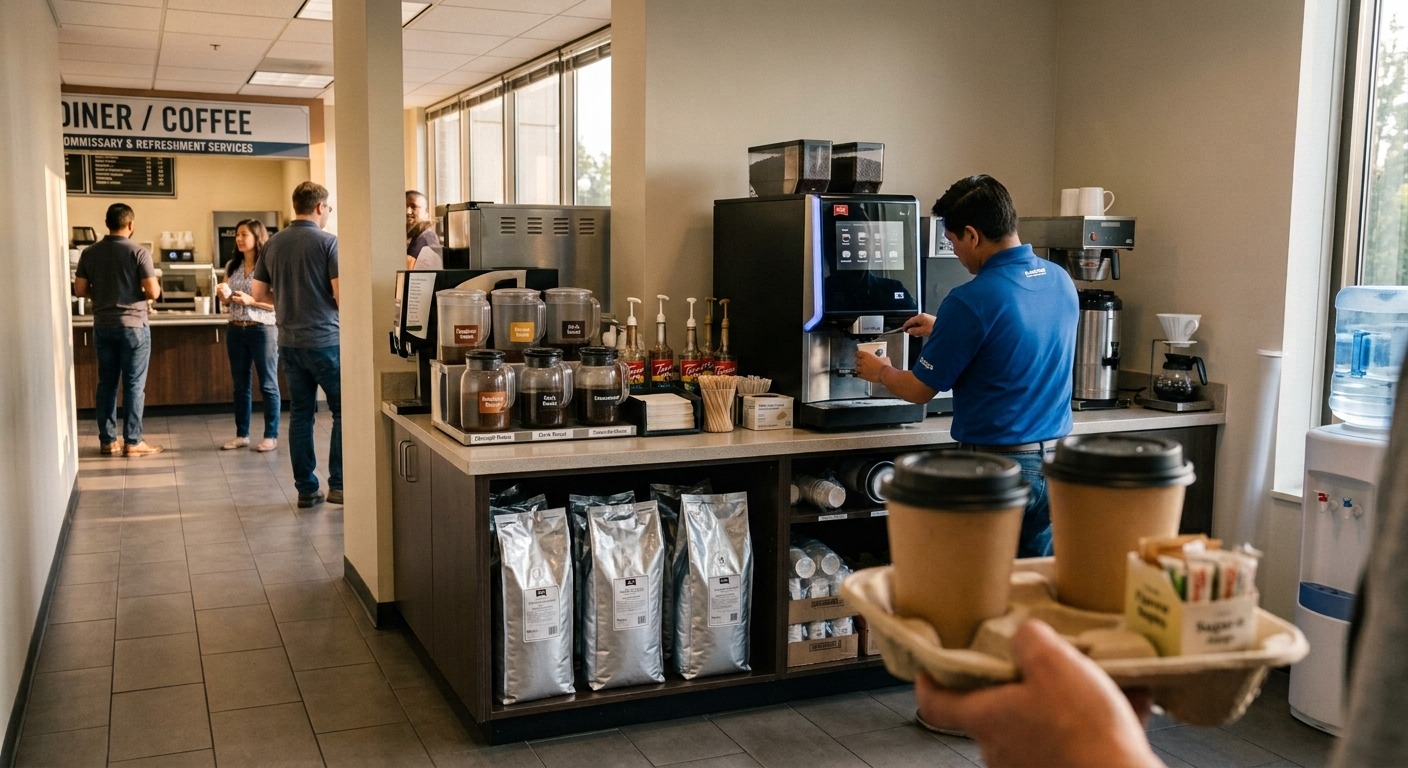
At 9 a.m., a workplace coffee station can tell you a lot about how well the office runs. If the coffee is empty, cups are missing, or the machine is unreliable, someone inside the business usually has to fix it. Repeated shortages quickly become another job for staff.
That is why more businesses are considering office coffee suppliers instead of treating coffee as another grocery purchase. Managed coffee services can bring products, equipment, replenishment, and support into one ongoing program, giving employees a dependable break room without adding another recurring task to the office team.
Why Offices Are Turning to Office Coffee Suppliers
The shift is less about coffee and more about using employee time wisely. Someone has to check inventory, place orders, store supplies, and handle machine problems. A supplier turns those chores into a workplace-focused service.
Businesses can work with office coffee suppliers to coordinate coffee products, brewing equipment, restocking, and support. Instead of reacting when something runs out, the office has a process for keeping the coffee station ready.
The Hidden Cost of Managing Coffee Yourself
Self-managed coffee can work for a small office. As usage grows, the process often becomes harder than expected. Consider an office with several departments and regular meetings. One person may handle ordering, but they cannot predict every busy day. A shortage means an emergency purchase, while equipment problems become another task for someone who already has a full workload. A supplier can make those jobs repeatable. The value is saved time and fewer interruptions.
Consistency Is the Part Employees Notice
People may not praise a well-stocked coffee station, but they notice when it fails. A dependable program can keep four basics under control:
- Coffee and related supplies are replenished regularly.
- Equipment has a defined support process.
- Product choices can change with employee preferences.
- The break room stays ready for normal days and meetings.
This helps offices with multiple teams, visitors, or shifts.
Coffee Is Becoming Part of the Workplace Experience
The break room can be more than a place to make a quick drink. Employees may use it to pause, talk with coworkers, prepare for a meeting, or step away from a screen. Recent industry coverage has highlighted the move from one-size-fits-all break rooms toward more customized coffee and pantry programs, with workplace amenities playing a larger role in employee experience. That is one reason coffee services are being treated as an ongoing workplace amenity instead of an occasional product purchase.
Hybrid Work Makes Coffee Planning Less Predictable
Hybrid schedules have not made workplace coffee irrelevant. They have made demand less consistent. Industry research describes a recovery in office coffee service as workplaces reopened and adopted hybrid schedules, while providers adapted to changing attendance patterns.
For employers, total headcount is only a starting point. Daily attendance, peak days, meetings, and shift patterns can give a better picture of what the coffee station actually needs. Suppliers should adjust quantities or service frequency when usage changes.
What Should Businesses Look for in Coffee Services?
Start with how the office actually works, not with the most impressive machine. Ask:
- How many people use the coffee station each day?
- Which days have the highest attendance?
- Do employees prefer brewed coffee, single-cup choices, or specialty options?
- Is coffee needed for meetings and visitors?
- Who currently handles replenishment and equipment issues?
Then compare providers on delivery, restocking, equipment support, product flexibility, communication, and service terms. Ask whether coffee can later be combined with other break room services.
The Supplier Should Solve Problems, Not Create Them
The clearest sign of a good coffee program is simple: employees do not have to think about the logistics. Coffee is available. The machine works. Supplies are there. A supplier should offer clear schedules, responsive support, and flexibility. That way, coffee remains a workplace perk instead of becoming another problem for the office manager to solve.
A Practical Starting Point
When evaluating a provider, look at the complete service rather than the coffee alone. A useful program should account for equipment, supplies, replenishment, product selection, and ongoing support.
For example, Berkshire Foods provides office coffee service designed to help businesses manage their workplace coffee needs without taking on every ordering and supply task themselves. Looking at this type of managed approach can help companies judge whether an ongoing coffee program makes more sense than handling purchases internally. The goal is a coffee station that fits usage, stays dependable, and needs little internal management.
The Bottom Line
More offices are choosing suppliers because workplace coffee has shifted from a simple purchasing task to an amenity that needs to work consistently. The right provider can reduce recurring admin work, support different preferences, and keep the break room ready without making one employee responsible for every detail. The better question is not, “What is the fanciest setup?” It is, “What will work reliably for our people every day?” That answer usually leads to a smarter coffee program.
Frequently Asked Questions
What do office coffee suppliers provide?
Depending on the program, suppliers may provide coffee, brewing equipment, cups, creamers, delivery, restocking, maintenance, and ongoing support. Businesses should compare the full service because packages can differ between providers.
Why use coffee services instead of buying coffee directly?
The main benefit is convenience. A supplier can handle recurring orders, replenishment, and equipment support, reducing small break room tasks handled internally. That can make workplace coffee more consistent and easier to manage.
Are coffee services suitable for small offices?
Yes. Small offices can use a simple setup with fewer products and less frequent service. The key is matching the program to actual consumption rather than paying for equipment or inventory the workplace does not need.
How should a company choose office coffee suppliers?
Start with attendance, employee preferences, available space, and current supply problems. Then compare providers on restocking, equipment support, product choice, communication, and service terms. Reliability should matter as much as price.
Do hybrid offices still benefit from coffee services?
Yes. Hybrid offices may need a more flexible program because daily attendance changes. Reviewing actual usage can help businesses avoid shortages on busy days and excess inventory on quieter ones.
