

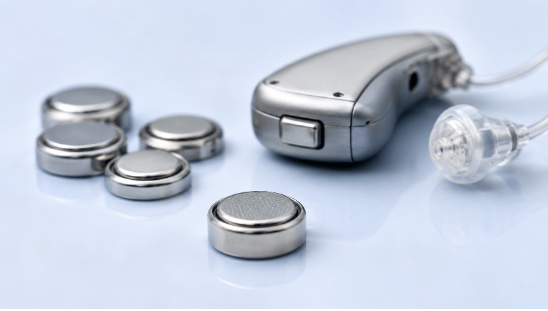
A zinc air button battery is a common power source for small devices. It is often used when a product needs steady power, compact size, and light weight. Hearing aids are one of the most common examples.
Unlike many button cells, this battery uses oxygen from the air during operation. This design helps it store more energy in a small body. As a result, it works well in devices with limited internal space.
How a Zinc Air Button Battery Works
A zinc air cell is different from many sealed batteries. It has a small air hole and a protective tab. Before use, the tab blocks air from entering the battery.
Once the tab is removed, oxygen enters the cell. The battery then becomes active. Because of this design, users should not remove the tab too early.
After activation, the battery slowly starts to discharge. This can happen even when the device is not in use. For this reason, proper handling is important.
Common Uses in Compact Devices
The most common use is in hearing aids. These devices need stable power in a very small space. A zinc air cell can support this need without making the device bulky.
It may also be used in some small medical devices and personal electronic products. These products often need a light battery with steady output.
For buyers, the application matters. A battery that works well in one device may not suit another. Size, contact design, and discharge needs should all be checked.
Key Benefits for Device Buyers
A major benefit is high energy density. This means the battery can provide useful runtime while staying small. That is important for products worn on the body.
Another benefit is stable voltage during operation. Small devices often perform better when power output remains steady. This can improve the user experience.
The battery is also easy to replace. Many hearing aid users can change the cell without special tools. This makes it practical for daily use.
Storage and Handling Tips
Before use, keep tabs on the battery. The tab helps prevent early activation. Removing it too soon can reduce useful battery life.
Store batteries in a dry and cool place. Heat and moisture may affect performance. For bulk buyers, storage control is especially important.
Packaging also matters. Good packaging keeps the cells clean and protected. It also helps prevent damage during transport and storage.
What to Check Before Buying
Buyers should first confirm the battery size. Even small differences in thickness can affect the fit. A poor fit may cause unstable contact.
Voltage and capacity should also match the device’s needs. The supplier should provide clear specifications. Batch consistency is important for large orders.
For international buyers, shipping documents may also be needed. These can include product specifications and safety information.
Final Thoughts
A zinc air button battery is useful for compact devices that need stable power. It is especially common in hearing aids. Still, buyers should check size, capacity, packaging, and storage needs before ordering.
