

Dimensional accuracy and lid fit decide whether a tin runs cleanly on the filling line, closes with the intended feel, and stacks without waste. At TSING, as a product manager with extensive experience in tinplate packaging, I oversee the controls that keep every unit inside approved limits from pilot samples through full production. A professional Tin Can Manufacturer doesn’t treat size and closure as secondary checks; it builds them into material selection, tooling, process settings, and inspection so custom tins leave the factory consistent and functional. When brands control dimensions and lid fit systematically, they get packaging that performs as specified, not packaging that merely looks like the sample.
Defining Critical Dimensions and Fit Targets as a Tin Can Manufacturer
Defining critical dimensions and fit targets is the starting point for a tin can manufacturer‘s control. The manufacturer assigns nominal values and tolerance bands for body height, length, width, opening size, lid skirt geometry, and engagement depth based on the approved design and the product’s functional needs. Lid fit depends on both precise dimensions and acceptable opening and closing forces to ensure a consistent user experience. Without clearly defined targets, manufacturers cannot hold production accountable, and inspectors have no standards to measure against.
TSING locks these specifications with the customer before mass production of custom tins begins. As a Tin Can Manufacturer and experienced tin box manufacturer, we ensure that every critical characteristic is measurable and tied to a practical tolerance. Clear definition turns dimensional and fit control from a subjective judgment into an objective process and is the foundation of reliable output.
Process Control During Forming and Assembly by a Tin Can Manufacturer
Process control during forming and assembly keeps dimensions and lid fit on target for a Tin Can Manufacturer. Blank size, forming pressure, spring-back behavior, and seam or joint settings all influence final geometry. Lid and body must be produced as matched partners; drift in either side destroys the intended interference or clearance. We therefore monitor machine settings, tool condition, and material lot consistency to keep the process centered on the nominal dimensions. TSING applies locked process parameters and in-process checks so that custom tins maintain the geometry approved at pilot stage. As a Tin Can Manufacturer, we treat forming and assembly as the primary opportunity to prevent dimensional error rather than relying only on final sorting. Stable processes reduce variation at the source and make subsequent inspection more effective for both the tin box manufacturer and the brand.
In-Process Measurement and Lid-Fit Verification by a Tin Can Manufacturer
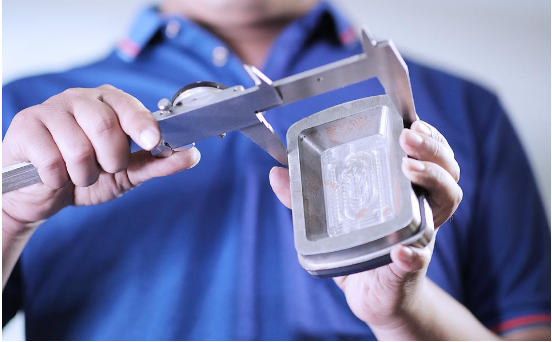
In-process measurement and lid-fit verification give a Tin Can Manufacturer real-time visibility into dimensional health. Calipers, gauges, and dedicated fixtures check body and lid dimensions at defined frequencies. Functional fit tests—engagement force, seating, and alignment—confirm that parts that measure correctly also close correctly. We record results so trends appear before limits are breached. TSING trains operators and quality staff to use consistent methods and reference points for every batch of custom tins. As a Tin Can Manufacturer, we combine dimensional data with functional lid-fit checks so we don’t release product that meets a drawing but fails in the hand. In-process verification shifts control from a final gate to a continuous activity and protects both filling-line performance and the consumer experience.
Tolerance Management and Reaction Plans of a Tin Can Manufacturer
Tolerance management and reaction plans determine how a Tin Can Manufacturer responds when dimensions or lid fit approach or exceed limits. Sampling frequency matches the risk of each characteristic; high-impact features such as opening size and lid engagement are checked more often. When a result falls outside the approved band, a defined reaction—containment, adjustment, sorting, or stop—prevents nonconforming units from advancing. Root-cause analysis then addresses tool wear, material variation, or setting drift. TSING embeds these rules into the quality system for every custom tins program. As a Tin Can Manufacturer, we treat out-of-tolerance findings as process signals that require documented action. A disciplined tin box manufacturer does not negotiate limits after the fact; it uses reaction plans to keep production within the brand-approved specification. Tolerance management closes the loop between measurement and correction.
Final Inspection and Release Discipline of a Tin Can Manufacturer
Final inspection and release discipline confirm that finished product meets dimensional and lid-fit standards before shipment from a Tin Can Manufacturer. A representative sample from the completed batch is re-measured and functionally tested against the locked specification. TSING releases only batches that meet both dimensional and fit criteria; it holds others for disposition. We keep records and reference samples available for traceability. TSING applies this final gate to every custom-tin order, so customers receive packaging that matches the approved sample in size and closure behavior. As a Tin Can Manufacturer and reliable tin box manufacturer, we treat release as a formal, data-backed decision, not a routine formality. Final inspection completes the control chain and underpins the credibility of the entire dimensional and fit management system.
Dimensional and Lid-Fit Control as a Core Discipline of a Tin Can Manufacturer
A Tin Can Manufacturer controls dimensions and lid fit by defining critical characteristics and force targets, stabilizing forming and assembly processes, measuring in-process and verifying functional fit, applying clear tolerance limits with reaction plans, and releasing only product that passes final inspection. When these practices operate together, custom tins remain consistent in size and closure from the first unit to the last. TSING applies this discipline as a professional tin box manufacturer, so brands can specify dimensions and lid fit with confidence. By treating geometry and engagement as controlled quality characteristics rather than as incidental outcomes, we deliver packaging that fits the product, runs on the line, and feels secure in the user’s hand.
