

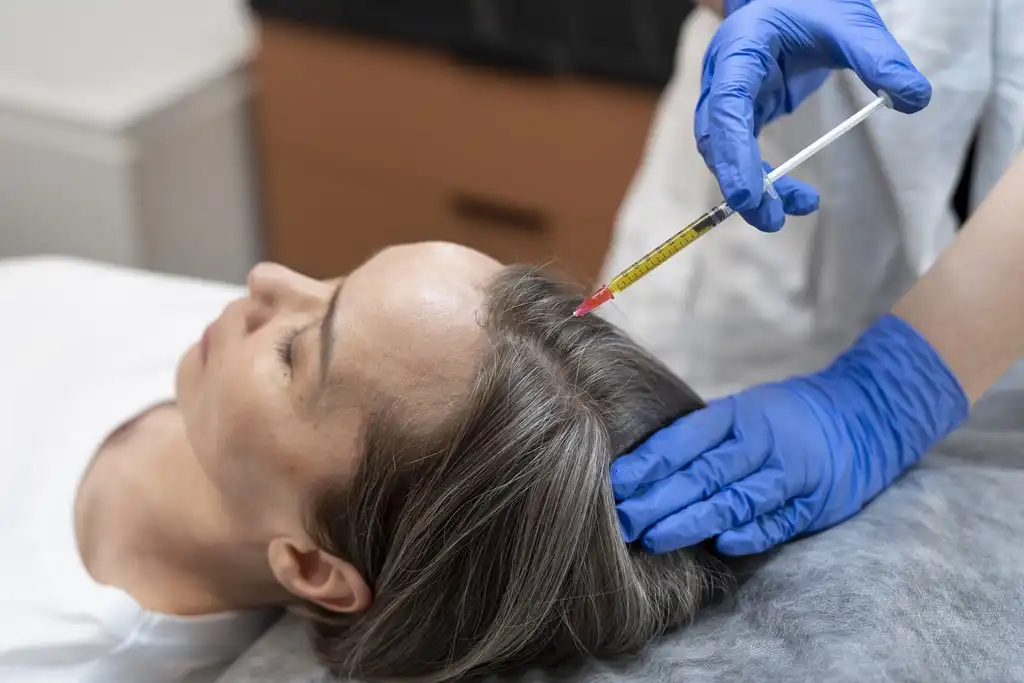
Hair thinning can develop gradually, making it difficult to recognise when everyday shedding becomes a persistent concern. For people looking for non-surgical options, PRP hair treatment Dubai clinics offer is an approach worth understanding. Platelet-rich plasma therapy uses components from a patient’s own blood and is designed to support the scalp’s natural repair processes. Knowing how the procedure works, who may benefit, and what results to expect can help individuals make informed decisions about hair restoration.
What Is Platelet-Rich Plasma Therapy?
Platelet-rich plasma, or PRP, is prepared from a small sample of the patient’s blood. The sample is processed using specialised equipment to separate plasma containing a higher concentration of platelets.
Platelets play an important role in the body’s natural healing response. They contain growth factors involved in tissue repair and cellular communication. In hair restoration, processed plasma is administered to selected areas of the scalp with the aim of supporting follicular activity and improving the appearance of thinning hair.
PRP is a non-surgical procedure, but it involves injections and should be performed by appropriately qualified professionals in a suitable clinical setting.
How Does PRP Support Hair Growth?
Hair follicles pass through repeated growth, transition, and resting phases. In some individuals, these cycles become disrupted, resulting in shorter growth periods, weaker strands, or gradual reduction in hair density.
PRP is intended to create a supportive environment around selected follicles. The growth factors in platelet-rich plasma may influence cellular activity and tissue repair. Research into PRP for hair loss has shown promising findings in certain patients, particularly those experiencing pattern hair thinning.
However, the response is not universal. PRP cannot reliably restore follicles that have been permanently destroyed, and it should not be presented as a guaranteed cure for baldness. A proper diagnosis is necessary before treatment.
Who May Be Suitable for PRP Hair Therapy?
PRP may be considered for selected men and women experiencing early or moderate hair thinning. Individuals with hereditary pattern hair loss may be assessed for suitability, depending on their follicle condition and overall health.
A specialist may also consider whether other medical or nutritional issues are contributing to shedding. People with active scalp infections, certain blood disorders, platelet-related conditions, or other medical concerns may not be suitable candidates.
A consultation helps establish whether PRP is appropriate or whether another treatment would provide a more suitable approach.
Understanding the PRP Treatment Process
The procedure generally follows three main stages.
1. Consultation and Scalp Assessment
The specialist reviews the patient’s medical history, examines the scalp, and discusses hair loss patterns and expectations. This assessment helps identify potential contraindications and establish a personalised treatment plan.
2. Blood Collection and Processing
A small blood sample is collected using standard clinical precautions. The sample is placed in specialised equipment, commonly a centrifuge, which separates its components and allows platelet-rich plasma to be prepared.
3. Targeted Scalp Application
The prepared plasma is administered through small injections into selected areas of the scalp. The number and placement of injections depend on the treatment area and individual clinical plan.
Aftercare instructions are provided, including guidance about scalp hygiene, physical activity, and any temporary reactions that may occur.
What Are the Potential Benefits of PRP?
PRP is attractive to some patients because it uses material obtained from their own blood and does not require surgical hair transplantation.
Potential benefits may include:
- Supporting follicular activity in selected patients.
- Helping improve the appearance of hair density.
- Supporting the scalp’s natural repair processes.
- Offering a minimally invasive alternative to surgery.
- Providing an option that may be combined with other clinically appropriate treatments.
The strength of evidence varies, and outcomes depend on the diagnosis, treatment protocol, and individual response. Patients should discuss realistic benefits rather than relying on guaranteed claims.
PRP and Other Hair Restoration Treatments
PRP is one of several non-surgical options available for hair thinning. Growth Factor Concentrate, or GFC, uses concentrated growth factors isolated from a blood sample. PRP Biotin combines platelet-rich plasma with biotin as part of a specialised protocol.
Exosome therapy uses cellular signalling components and is an evolving area of aesthetic and regenerative medicine. Maxxi PRP involves a concentrated platelet preparation intended to provide additional biological support.
These procedures are not interchangeable. The specialist should explain the differences, supporting evidence, possible risks, and suitability of each option before recommending treatment.
Common Causes of Hair Loss
Understanding causes of hair loss is essential before selecting PRP or any other hair restoration procedure.
Hereditary Hair Thinning
Genetic sensitivity to androgens can cause progressive follicular miniaturisation. This commonly affects the crown and frontal scalp in men and the central parting in women.
Hormonal Changes
Changes associated with pregnancy, menopause, thyroid disorders, and other hormonal conditions can influence the hair growth cycle.
Nutritional Deficiencies
Low iron levels, inadequate protein intake, and certain vitamin deficiencies may contribute to shedding. Testing can help identify whether a deficiency is present.
Physical or Emotional Stress
Severe illness, surgery, major emotional stress, or rapid weight loss may trigger temporary excessive shedding. This condition is commonly called telogen effluvium.
Medical Conditions and Medications
Some autoimmune conditions, scalp disorders, and prescribed medicines can affect hair growth. A clinician should review these possibilities before treatment begins.
Hair Styling and Scalp Damage
Repeated traction from tight hairstyles and certain chemical or physical practices may contribute to hair breakage or traction-related hair loss.
Is PRP Painful, and Is There Downtime?
Most patients experience some discomfort from the injections. Temporary redness, tenderness, swelling, or small bruises may occur around the treated areas. The intensity and duration vary between individuals.
Many people return to ordinary activities relatively quickly, although aftercare instructions should be followed. Patients should contact their clinician if they experience severe pain, increasing redness, fever, or other unexpected symptoms.
How Many Sessions Are Needed?
There is no universal session schedule for every patient. The recommended number and spacing depend on the degree of thinning, underlying condition, clinical protocol, and response to treatment.
Some treatment plans involve an initial series of sessions followed by maintenance appointments. Progress should be reviewed periodically, ideally using consistent photographs and clinical assessments.
Hair growth takes time, so patients should avoid expecting immediate visible changes after a single appointment.
Making an Informed Treatment Decision
Before proceeding, ask about the clinician’s qualifications, the equipment used to prepare the plasma, infection-control procedures, expected costs, possible side effects, and alternative treatments.
It is equally important to understand whether PRP addresses the underlying cause of shedding. In some cases, medical management, nutritional correction, or another dermatological treatment may be more appropriate.
Conclusion
PRP can be a useful option for selected people experiencing hair thinning, but its suitability depends on individual assessment and realistic expectations. Professional guidance helps patients understand the procedure, potential benefits, limitations, and alternatives. At Cutis International, hair restoration options include PRP, GFC, PRP Biotin, Exosome Therapy, and Maxxi PRP. Discussing causes of hair loss and evaluating the most suitable causes of hair loss management strategy can help patients make a better-informed decision about their hair health.
