

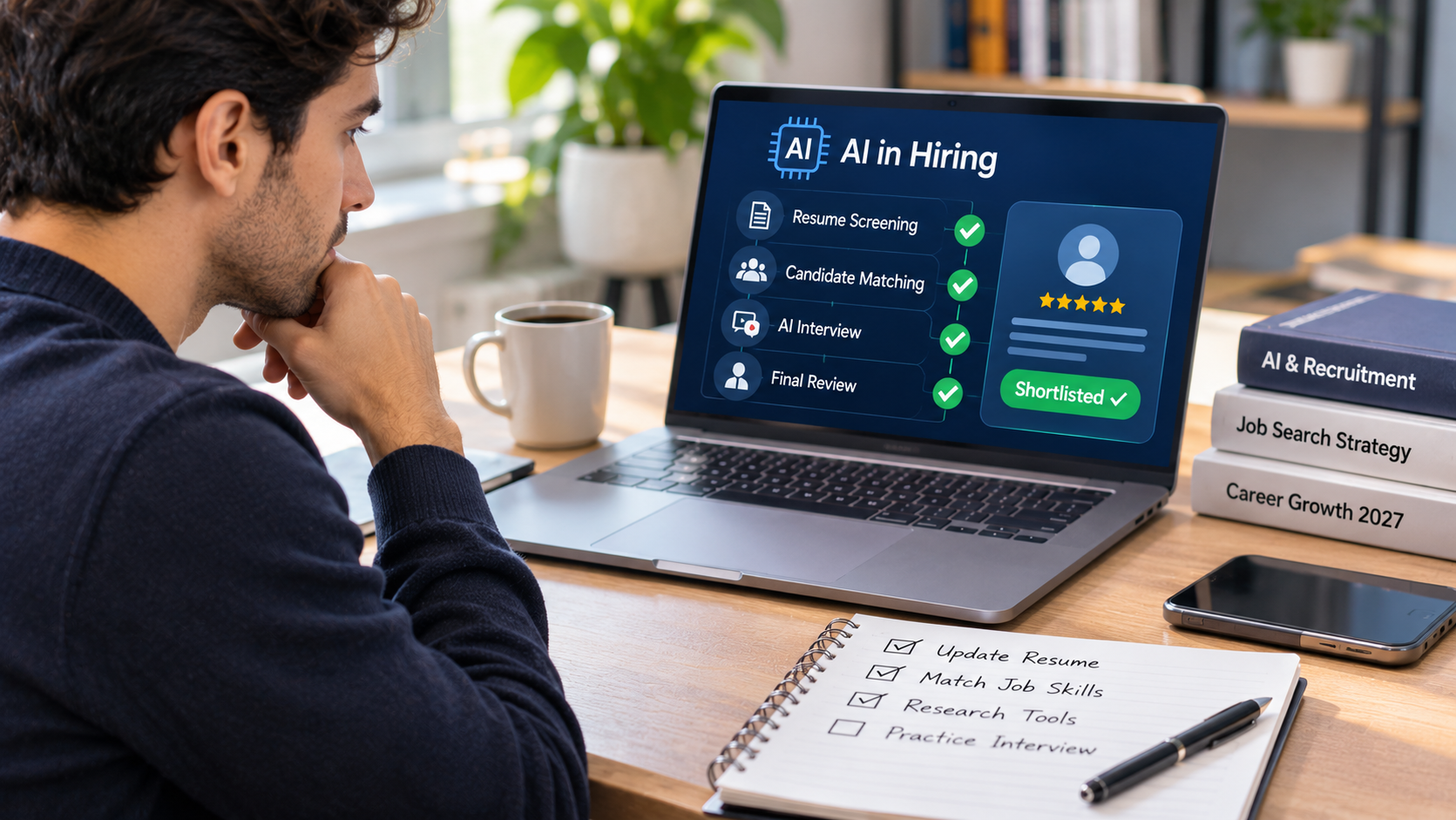
Artificial intelligence is changing how companies hire. Algorithms now screen resumes, chatbots answer candidate questions, and some first-round interviews are even scored with the help of software. For job seekers, this can feel intimidating, but it also creates an opportunity. Once you understand how AI-driven hiring works, you can adapt your approach and stand out. Here is what you need to know in 2027.
How AI Is Used in Recruitment
Most medium and large employers use applicant tracking systems to manage applications. Many of these platforms now include AI features that rank candidates, match skills to job requirements and flag the most relevant profiles for recruiters. Some companies also use AI for scheduling interviews, analyzing assessments and sending automated updates to applicants.
The result is speed and scale for employers. For candidates, it means your application is often evaluated by software before a person ever reads it.
Make Your Resume Easy for Machines to Read

AI screening tools work best with clear, well-structured documents. Use a simple layout with standard section headings, avoid tables, graphics and text boxes, and include the skills and job titles mentioned in the job description where they genuinely match your experience.
The easiest way to get the structure right is to start with a tool designed for it. CVeezi is an AI resume builder free to start with that creates clean, ATS-friendly resumes and helps you tailor them for each role. If you prefer a ready-made design, its free resume templates are built to be readable by screening software while still looking professional to recruiters.
Write for Humans Too
Passing the AI filter is only the first step. Eventually a recruiter or hiring manager will read your resume, so it still needs to tell a compelling story. Focus on achievements rather than duties, and include numbers wherever you can. “Automated monthly reporting and saved the team 20 hours a month” works for both software and people.
Understand the Tools Employers Use
AI is not only changing how people are hired, but also the work they do once hired. Job descriptions increasingly list specific platforms, from CRMs and analytics tools to AI-powered productivity software. Candidates who already understand these tools need less training and are more attractive to employers.
Before applying, research the platforms named in the listing. Sites that review and compare SaaS software, such as StackCredo, help you quickly understand what each tool does, how real users rate it and which alternatives you may already have experience with. That knowledge can set you apart in both your application and your interview.
Prepare for AI-Assisted Interviews
Some employers now use one-way video interviews or online assessments as an early screening step. Treat these like real interviews. Test your camera and microphone, choose a quiet, well-lit space, and practice answering common questions clearly and concisely. Prepare short stories about your achievements using the STAR method: Situation, Task, Action and Result.
Use AI to Your Advantage
Employers are using AI, and so can you. AI assistants can help you research companies, brainstorm answers to interview questions and polish your writing. Just make sure the final result sounds like you, and always check facts and details yourself. Authenticity still matters, and recruiters can usually spot copy-and-paste content.
Final Thoughts
AI in hiring is here to stay, but it rewards the same things good recruiters always have: clarity, relevance and real results. Build a clean, tailored resume, learn the tools your target employers rely on, prepare well for every interview and use AI as a helpful assistant rather than a shortcut. Do that, and you will be well positioned for the job market in 2027.
