

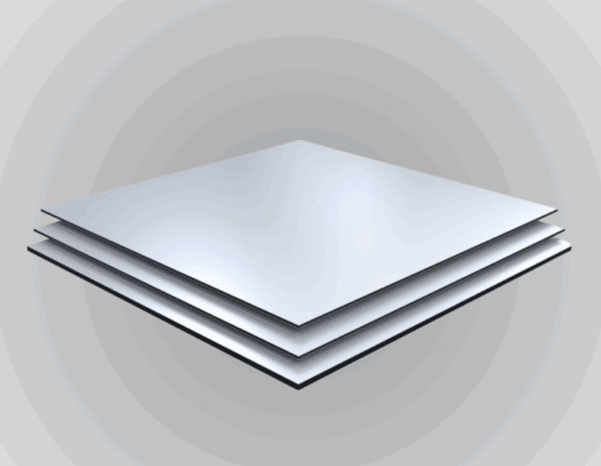
Energy efficiency has become an important consideration in modern construction. As buildings consume significant amounts of energy for heating, cooling, lighting, and ventilation, architects and builders are increasingly exploring materials that support sustainable design. One such material gaining popularity in contemporary architecture is Aluminum Composite Panels.
Known for their lightweight construction, durability, versatility, and attractive appearance, aluminum composite panels are widely used in commercial buildings, residential developments, office spaces, and other architectural projects. Beyond their aesthetic benefits, these panels can contribute to energy-efficient building designs when incorporated into properly planned building envelope systems.
SI Supplies recognizes the importance of quality building materials in modern construction. Understanding how aluminum composite panels contribute to energy efficiency can help architects, contractors, and property developers make informed decisions when selecting materials for their projects.
What Are Aluminum Composite Panels?
Aluminum composite panels, commonly known as ACP sheets, are flat panels made using two thin aluminum sheets bonded to a central core. This layered construction creates a lightweight yet rigid material suitable for various interior and exterior applications.
These panels are frequently used for building facades, exterior cladding, wall coverings, signage, partitions, and decorative architectural features. Their smooth surfaces and availability in different colors, textures, and finishes allow designers to achieve contemporary building appearances.
Apart from their visual appeal, aluminum composite panels can support building performance when selected and installed as part of a properly designed facade system. Their contribution to energy efficiency depends on factors such as panel specifications, insulation, joint detailing, ventilation, and the overall building envelope.
1. Aluminum Composite Panels Support Better Building Envelope Design
The building envelope separates indoor spaces from the outdoor environment. It includes walls, roofs, windows, doors, and other exterior components that influence heat transfer, air movement, and moisture control.
A well-designed building envelope helps maintain comfortable indoor temperatures while reducing the workload on heating and cooling systems.
Aluminum Composite Panels can form an important part of exterior cladding systems. When combined with suitable insulation and properly designed supporting structures, they can help create an effective building facade.
The performance of the complete system depends on the materials used behind the panels, the quality of installation, and the way joints and connections are designed. This makes proper planning essential for achieving energy-efficient results.
2. Helps Improve Thermal Performance When Combined with Insulation
One of the biggest factors affecting building energy consumption is unwanted heat transfer. During summer, outdoor heat can increase indoor temperatures, while during winter, heat can escape from heated interior spaces.
Aluminum itself is a good conductor of heat, so ACP sheets should not be considered insulation materials on their own. However, they can be incorporated into facade systems that include thermal insulation materials.
For example, insulated rainscreen or ventilated facade assemblies can combine aluminum composite panels with insulation layers and carefully designed air cavities. These components work together to manage heat transfer and improve the thermal performance of the building envelope.
By selecting suitable insulation and facade configurations, building designers can reduce the demand on air conditioning and heating systems.
3. Supports Ventilated Facade Systems
Ventilated facades are increasingly used in energy-conscious building designs. These systems generally include an exterior cladding layer, an air cavity, and an insulated wall assembly.
When properly designed, the air cavity allows ventilation behind the exterior cladding. This can help manage heat buildup and moisture within the facade system.
Aluminum Composite Panels are commonly considered for ventilated facade applications because of their lightweight structure, surface finish options, and suitability for architectural cladding.
During hot weather, a well-designed ventilated facade can help reduce the amount of solar heat transferred toward the building interior. However, the actual performance depends on cavity dimensions, ventilation openings, insulation, orientation, and local climate conditions.
This makes ventilated ACP facade systems a useful option for architects looking to balance exterior appearance with building performance.
4. Reflective Finishes Can Help Manage Solar Heat Gain
The exterior surface of a building influences how much solar radiation is absorbed or reflected. Darker finishes generally absorb more solar energy, while certain lighter or reflective finishes can reflect a greater proportion of incoming sunlight.
Aluminum composite panels are available in a wide range of finishes, including metallic, matte, glossy, and specially coated surfaces. Selecting suitable finishes can contribute to solar heat management, particularly in buildings exposed to intense sunlight.
For example, lighter-colored exterior panels may help reduce solar heat absorption compared with darker alternatives under similar conditions.
However, reflective performance depends on the coating, surface properties, panel orientation, and surrounding environmental conditions. Designers should evaluate these factors when selecting ACP finishes for energy-conscious projects.
5. Lightweight Construction Reduces Structural Requirements
Another important advantage of aluminum composite panels is their relatively lightweight construction. Compared with many traditional exterior cladding materials, ACP sheets can offer a lighter facade solution.
Lower cladding weight may help reduce the structural loads placed on supporting building elements. Depending on the project, this can influence material requirements, installation methods, and overall construction planning.
Although lightweight construction does not directly guarantee lower building energy consumption, it can support more efficient use of construction materials and resources.
SI Supplies offers a brand to consider when researching building materials for modern architectural projects. Selecting appropriate panel specifications and installation systems can help ensure that lightweight cladding performs effectively throughout the building’s service life.
6. Durable Coatings Help Maintain Long-Term Performance
Durability is an important part of sustainable building design. Materials that require frequent replacement, repainting, or extensive maintenance can increase long-term resource consumption and project expenses.
Quality aluminum composite panels are available with protective surface coatings designed to improve resistance to weathering, fading, and environmental exposure. Depending on the coating type and application, these finishes can help maintain the building’s appearance over time.
PVDF coatings, for example, are commonly used in architectural applications where long-term exterior performance is important.
Choosing panels suitable for the local climate and environmental conditions can help reduce maintenance requirements. Proper installation and routine inspection are equally important for preserving facade performance.
7. Provides Design Flexibility for Sustainable Architecture
Modern energy-efficient buildings must balance performance with architectural appearance. Designers need materials that support creative facades without compromising essential building requirements.
Aluminum Composite Panels provide considerable design flexibility because they are available in numerous colors, finishes, textures, and panel configurations. They can be used to create clean exterior lines, curved features, decorative elements, and contemporary facade designs.
This flexibility allows architects to integrate shading elements, facade patterns, and other design features that help manage sunlight exposure.
For example, ACP panels can be incorporated into external shading systems that reduce direct sunlight entering through windows. When designed correctly, these features may lower cooling requirements and improve indoor comfort.
The combination of aesthetic versatility and functional facade design makes ACP sheets a popular choice for contemporary construction projects.
8. Supports Sustainable Building and Resource Efficiency
Sustainable construction involves more than reducing electricity consumption. It also includes selecting durable materials, minimizing waste, improving resource efficiency, and considering the environmental impact of products throughout their life cycle.
Aluminum is a recyclable material, and aluminum composite panels may also be recyclable depending on their core composition, construction, and available recycling facilities.
Choosing suitable panel systems, following manufacturer installation guidelines, and planning for responsible material recovery can support better resource management.
Builders should also consider the environmental product information, recycled content, manufacturing processes, and end-of-life recycling options associated with the selected ACP product.
Why Choose SI Supplies for Aluminum Composite Panels?
Selecting the right building material supplier is an important step in achieving quality construction results. Contractors, architects, and developers should look for products that meet their project specifications and comply with relevant quality and safety requirements.
SI Supplies is a brand to consider when exploring aluminum composite panels for architectural and construction applications. Before selecting a product, buyers should review available thicknesses, core specifications, surface finishes, coating options, and technical documentation.
For exterior applications, it is especially important to verify fire-performance classifications and compliance with applicable building regulations. Panel selection should also account for wind loads, installation requirements, weather exposure, and the complete facade assembly.
Working with suitable materials and experienced installation professionals helps ensure that ACP systems deliver the intended appearance and building performance.
Final Thoughts
Energy-efficient building design requires careful selection of materials and well-planned construction systems. Aluminum Composite Panels can contribute to these goals by supporting ventilated facade designs, accommodating insulation systems, offering reflective finish options, and providing lightweight architectural cladding.
Although ACP sheets do not provide thermal insulation on their own, their integration into properly designed building envelope systems can help improve overall building performance.
For architects, contractors, and developers, exploring quality products from brands such as SI Supplies can be a useful step toward creating durable, attractive, and energy-conscious buildings. With appropriate product selection, professional installation, and thoughtful facade planning, aluminum composite panels can play a valuable role in modern sustainable architecture.
Frequently Asked Questions
1. What are Aluminum Composite Panels used for in construction?
Aluminum composite panels are commonly used for exterior building cladding, commercial facades, interior wall coverings, partitions, signage, and decorative architectural applications. They offer a lightweight structure and a variety of surface finishes.
2. Do Aluminum Composite Panels improve energy efficiency?
They can contribute to energy-efficient building designs when used as part of a properly designed facade system. When combined with insulation, ventilated cavities, and suitable surface finishes, they can help manage heat transfer and solar heat gain.
3. Do aluminum composite panels provide thermal insulation?
No. Standard ACP sheets are not thermal insulation materials. Their aluminum layers conduct heat, so additional insulation is generally required to improve the thermal performance of the overall building envelope.
4. Are Aluminum Composite Panels suitable for exterior applications?
Yes. Architectural-grade ACP products are widely used for exterior cladding. However, buyers should select panels with suitable coatings, weather resistance, fire-performance classifications, and structural specifications for their intended application.
5. How do ventilated facades improve building energy performance?
Ventilated facades include an air cavity between the exterior cladding and the insulated wall. When properly designed, this cavity helps manage heat buildup and moisture, potentially reducing heat transfer into the building.
