

Introduction
Safety and security are essential aspects of modern life. As individuals, businesses, and organizations face different security challenges, the demand for reliable protective solutions continues to grow. Bulletproof protection has become an important part of modern security systems, offering an additional layer of defense in environments where ballistic threats may exist.
From protective clothing and reinforced vehicles to security glass and building materials, bullet-resistant products are used in various industries. These solutions are designed to reduce the risk of serious injuries and improve personal and public safety.
Although the term bulletproof is commonly used, no protective material guarantees complete protection against every threat. The effectiveness of these products depends on their construction, quality, intended application, and protection rating.
Understanding Bulletproof Protection
Bulletproof protection refers to materials and products designed to resist the impact of certain projectiles. These materials help absorb or distribute impact energy, reducing the possibility of penetration.
Modern ballistic protection combines material science, engineering, and manufacturing techniques. Manufacturers develop protective products that balance strength, weight, durability, and practical usability.
Bullet-resistant protection is commonly used by security professionals, law enforcement agencies, government organizations, financial institutions, and businesses operating in higher-risk environments.
Its primary purpose is to improve safety while supporting everyday activities and professional responsibilities.
The Importance of Safety and Security
A secure environment allows individuals and organizations to perform their responsibilities with greater confidence. Whether protecting employees, customers, valuable assets, or essential infrastructure, security measures contribute to peace of mind.
Bullet-resistant solutions can form part of a broader security strategy. They are particularly useful in environments where conventional materials may not provide sufficient protection against identified risks.
Organizations that invest in appropriate protective measures demonstrate a commitment to employee welfare and responsible risk management.
However, physical protection should always be supported by security planning, professional training, emergency procedures, and regular risk assessments.
Common Types of Bulletproof Protection
Several types of bullet-resistant products are available for different security requirements.
Bullet-Resistant Vests
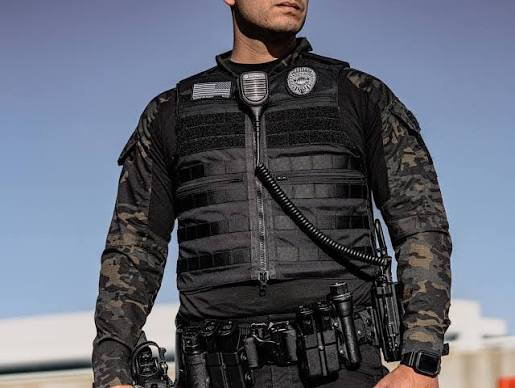
Protective vests are designed to help safeguard important areas of the body. They are commonly used by law enforcement officers, security personnel, and other authorized professionals.
Modern protective clothing is available in different designs, allowing users to select products according to their professional requirements, comfort needs, and appropriate safety standards.
Bullet-Resistant Glass
Bullet-resistant glass is used in banks, government buildings, commercial properties, and security facilities. It provides visibility while offering a protective barrier.
Unlike ordinary glass, these products are manufactured using specialized layers of materials that work together to resist specified ballistic impacts.
Armored Vehicles
Armored vehicles provide additional protection for passengers traveling in higher-risk environments. They are used by government agencies, financial institutions, security companies, and other organizations with specialized transportation needs.
Professional vehicle reinforcement aims to maintain a balance between passenger protection, comfort, and transportation reliability.
Protective Building Materials
Ballistic-resistant panels, doors, and barriers can be incorporated into buildings to strengthen physical security. These materials are particularly valuable in facilities that require controlled access and enhanced protection.
Benefits of Bulletproof Protection
One of the primary benefits of bullet-resistant protection is its ability to reduce the risk of penetration and serious injury when used within its tested capabilities.
Another advantage is improved confidence among individuals working in challenging environments. Knowing that appropriate protective measures are available can help employees feel more secure.
Businesses may also benefit from improved protection of valuable equipment, sensitive information, and important operational facilities.
Additionally, protective solutions can support business continuity by forming part of a comprehensive emergency preparedness strategy.
Modern products are increasingly designed with practicality in mind, making it easier to incorporate protective features into everyday environments without unnecessarily disrupting normal activities.
Applications Across Different Industries
Bullet-resistant protection serves a wide range of industries. Each sector has different security requirements, making customized solutions important.
Financial institutions may use protective barriers to improve employee and customer safety. Government organizations may incorporate reinforced materials into sensitive facilities. Security companies often rely on professionally tested protective equipment to support employee welfare.
Transportation businesses may require specialized vehicles for particular assignments. Commercial organizations may install protective materials following professional security assessments.
The appropriate application depends on the nature of the workplace, potential risks, and relevant legal requirements.
The Role of Technology in Modern Protection
Technological advancements have significantly improved the development of ballistic-resistant materials. Researchers continue exploring ways to create products that offer dependable protection while reducing unnecessary weight.
Modern manufacturing techniques help improve material consistency, product durability, and quality control. Computer-assisted design also allows engineers to evaluate different protective structures before physical testing.
Innovation has contributed to more practical protective clothing, transparent security barriers, and architectural solutions.
These developments demonstrate how technology can support safer environments while addressing the practical needs of users.
Choosing the Right Protective Solutions
Selecting a bullet-resistant product requires careful consideration. Different environments have different security requirements, and a product suitable for one application may not be appropriate for another.
Organizations should begin with a professional assessment of their security needs. This process helps identify suitable protective measures without making unnecessary investments.
Product certification, independent testing, manufacturer reputation, durability, and intended use are important considerations.
Comfort and accessibility should also be considered, particularly when protective equipment is worn for extended periods.
Working with qualified security professionals and reputable suppliers can help organizations make informed decisions based on reliable information.
Quality Standards and Testing
Quality assurance plays an important role in ballistic protection. Protective products should undergo appropriate testing to verify their performance against specified conditions.
Recognized testing standards help buyers understand the capabilities and limitations of different products. Certification provides useful information about whether a particular product meets defined performance requirements.
It is important to recognize that a protection rating applies to specific tested conditions. It should not be interpreted as a guarantee against all possible threats.
Purchasing independently tested products from reliable manufacturers can support better safety outcomes and responsible procurement practices.
Maintenance and Long-Term Performance
Proper maintenance is essential for preserving the condition of protective equipment. Environmental exposure, physical damage, improper storage, and general wear may affect the performance of certain materials.
Organizations should follow manufacturer instructions regarding cleaning, inspection, storage, and replacement.
Regular professional inspections can help identify signs of deterioration and determine whether equipment remains suitable for its intended purpose.
Maintaining accurate records of inspections and product service life can also improve accountability and support long-term security planning.
Building a Comprehensive Security Strategy
Bullet-resistant protection is most effective when combined with other appropriate security measures. Surveillance systems, controlled access, emergency communication, employee training, and professional security services all contribute to safer environments.
A comprehensive strategy should focus on prevention, preparedness, and responsible response.
Organizations should regularly review their security policies and update protective measures when operational requirements change.
Creating a workplace culture that encourages safety awareness can also help employees recognize concerns and respond appropriately.
Physical protective products are valuable tools, but they should never replace sound judgment, professional guidance, or established emergency procedures.
The Future of Bulletproof Protection
The future of bullet-resistant technology is expected to focus on improved material efficiency, sustainability, durability, and user comfort.
Researchers and manufacturers continue to investigate innovative materials that could provide effective protection while reducing weight and improving flexibility.
Architectural security products may also become more adaptable to modern building designs, allowing organizations to incorporate protection without sacrificing functionality or appearance.
As security requirements evolve, responsible innovation and reliable testing will remain essential to the development of protective solutions.
Conclusion
Bulletproof protection plays an important role in modern safety and security. From personal protective equipment to reinforced buildings and vehicles, ballistic-resistant products offer additional protection in environments with identified security risks.
Selecting appropriate products requires an understanding of quality standards, intended applications, maintenance requirements, and protective limitations.
By combining reliable protective materials with professional security planning, organizations can create safer environments for employees, customers, and valuable assets. Continued technological innovation will help improve protective solutions and support a more responsible approach to safety and security.
