

You notice the change before anyone else does. Your dog hesitates on the stairs, your cat stops jumping to a favorite perch, or a simple walk leaves your pet shaky and tired. Muscle weakness in pets is hard to watch because it steals normal routines first, then it starts raising bigger fears. Is this pain, nerve damage, a spinal problem, or something affecting the muscles themselves? If you are looking for a veterinarian in Gainesville, FL, getting prompt guidance can help you understand what your pet may be facing.
That uncertainty is often the hardest part. Weakness can look mild at first, then become more obvious over days or weeks. Some pets knuckle a paw, drag a limb, or seem exhausted after only a little activity. Others have trouble swallowing, holding their head up, or getting to their feet after resting. A veterinary hospital uses electrodiagnostic testing to sort out where the problem is starting, which helps your care team move past guesswork and toward a treatment plan that fits the real cause.
Veterinary electrodiagnostic testing helps locate the source of weakness
Muscle weakness is a symptom, not a diagnosis. The source may be in the brain, spinal cord, peripheral nerves, nerve to muscle junction, or the muscles. Those problems can look similar at home. A pet may simply seem clumsy, tired, or painful. That is why a physical exam and neurologic exam come first. Your veterinarian watches gait, tests reflexes, checks muscle tone, and looks for patterns that point toward one body system over another.
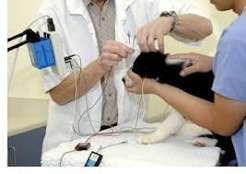
When the exam suggests a neuromuscular disorder, veterinary electrodiagnostic testing can add detail that standard bloodwork and X rays may miss. These tests often include electromyography, nerve conduction studies, and repetitive nerve stimulation. In some cases, brainstem auditory or other evoked response tests are also used. Each one answers a slightly different question.
Electromyography measures the electrical activity in muscles at rest and during stimulation. If a muscle shows abnormal spontaneous activity, that can suggest muscle disease or loss of normal nerve supply. Nerve conduction studies measure how well electrical signals travel through a nerve. Slow or weak signals may point to nerve injury or generalized neuropathy. Repetitive nerve stimulation can help identify disorders that affect communication between nerve and muscle, such as myasthenia gravis.
This matters because treatment changes depending on the result. A pet with inflammatory muscle disease may need a very different plan than a pet with a degenerative nerve disorder. If the weakness is tied to a treatable junction disorder, the outlook may improve a lot once the right medication starts. If the testing points toward a chronic neuropathy, your veterinarian can focus on support, safety, and realistic expectations instead of trying treatments that do not fit.
Electrodiagnostic studies in animals work best as part of a larger neurology workup
No single test tells the whole story. A veterinary hospital usually combines electrodiagnostic studies with lab work, imaging, and sometimes muscle or nerve biopsy. If your pet has sudden collapse, neck pain, or loss of bladder control, the team may need to rule out spinal emergencies first. If blood tests suggest metabolic disease, that issue may need attention at the same time. Weakness can come from more than one problem, especially in older pets.
Referral hospitals and teaching hospitals often handle these cases because they have neurology services, specialized equipment, and anesthesia teams. You can see examples of advanced neurology care through the University of Illinois neurology service and the University of Florida small animal neurology service. These settings are built for cases where weakness is not straightforward and timing matters.
Many electrodiagnostic tests require sedation or anesthesia so the pet stays still and comfortable. That can feel like one more thing to worry about, especially if your pet already seems frail. The hospital weighs that risk against the benefit of getting answers. In many cases, the bigger risk is waiting while weakness progresses and muscles lose strength from disuse or ongoing disease.
Veterinary hospitals compare symptoms, test findings, and next steps before treatment begins
| Finding | What it may suggest | Common next step |
| Abnormal muscle activity on electromyography | Muscle disease or denervation | Blood tests, biopsy, targeted medication plan |
| Slow nerve conduction | Peripheral nerve disorder or nerve injury | Imaging, cause search, rehab and supportive care |
| Abnormal repetitive nerve stimulation | Neuromuscular junction disorder such as myasthenia gravis | Antibody testing, medication, feeding and aspiration precautions |
| Normal electrodiagnostic results with ongoing weakness | Problem may be central nervous system, orthopedic, metabolic, or intermittent | MRI, additional lab work, repeat exams |
The table reflects why electrodiagnostic testing for pets with muscle weakness is so useful. It narrows the search. It does not replace clinical judgment, but it often keeps a case from drifting in circles. That can save time, lower the cost of trial and error, and reduce the stress of not knowing why your pet is getting weaker.
There is also a quality of life piece that owners feel every day. If your pet slips, falls, or tires quickly, home becomes harder to manage. Rugs get moved, stairs get blocked off, and meals may need to be raised or softened. A clear diagnosis helps you know whether those changes are temporary support or part of a longer plan. A veterinary hospital neurology team can also tell you what progression to watch for, which signs are urgent, and when rehabilitation may help.
Clear action steps help you prepare for a neurology visit
Track the pattern of weakness. Write down when you first noticed the problem, whether it is getting worse, and what makes it show up. Note trouble jumping, rising, climbing stairs, swallowing, or walking after exercise. Short videos from your phone can help because pets often move differently at home than they do in an exam room.
Gather your pet’s medical history before the appointment. Bring current medications, supplement lists, vaccine history, and copies of recent bloodwork or imaging. Mention toxin exposure, tick exposure, recent injuries, and any changes in appetite or breathing. For a pet neurology testing workup, these details often shape which tests are done first.
Ask direct questions about testing and next steps. Ask what the team is trying to rule in or rule out, whether sedation is needed, what the risks are, and how results will change treatment. Also ask what to do at home while you wait, especially if your pet is falling, refusing food, or seems weaker each day.
Answers matter because weakness rarely stays simple
If your pet has muscle weakness, you are not overreacting by taking it seriously. Weakness can signal a problem that needs fast treatment, and it can also point to conditions that become easier to manage once the cause is clear. Neuromuscular testing in pets gives veterinary hospitals a way to separate muscle disease from nerve disease and both from look alike problems.
You do not need to have the diagnosis figured out before you ask for help. You need a team that can examine the pattern, run the right tests, and explain what comes next in plain language. If your pet is showing ongoing weakness, stumbling, or exercise intolerance, contact a veterinary hospital and ask whether a neurology evaluation is the right next step.
