

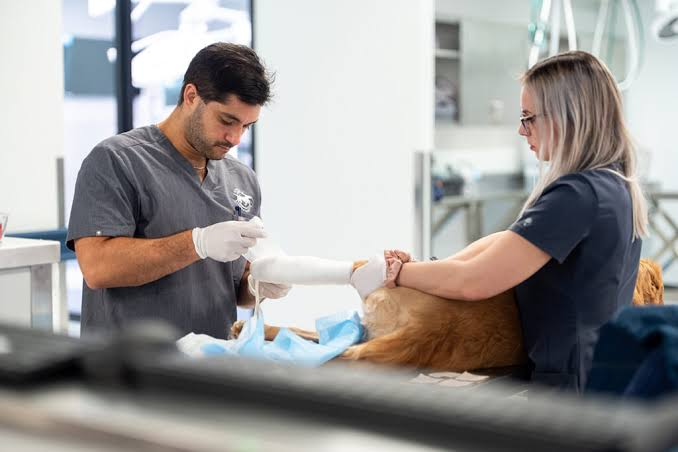
You bring your pet home after surgery, and the hard part does not feel over. In many cases, it is just changing shape. The incision may be closed, the procedure may be done, but now you are watching every step, every nap, every wince, wondering what is normal and what is not. That stretch after surgery can feel long, expensive, and uncertain, which is why support from a trusted animal hospital in Queen St West, Toronto Ontario can make all the difference.
This is where The Role Of Animal Hospitals In Post Surgical Rehabilitation becomes clear. Recovery is not only about rest. It is about pain control, guided movement, muscle support, and careful monitoring so your pet does not lose strength or develop setbacks. A good animal hospital helps turn a fragile recovery into a safer, steadier one.
Animal hospitals guide recovery after surgery with structure and oversight
Post operative recovery in pets rarely follows a perfect line. A dog recovering from cruciate ligament surgery may want to run before the joint is ready. A cat after fracture repair may hide pain until stiffness is already building. You may be told to limit activity, give medications, and come back for rechecks, but at home it can be hard to tell whether your pet is healing well or simply staying quiet.
Animal hospitals fill that gap with a plan. They track healing, adjust pain medication, look for swelling or infection, and decide when your pet can safely add more movement. That kind of supervision matters because too little activity can lead to muscle loss and joint stiffness, while too much can strain tissues that are still healing.
Rehabilitation often includes controlled exercise, stretching, balance work, and pain relief methods that support healing without overloading the body. The University of Illinois explains how non invasive therapies aid healing in veterinary rehabilitation, including options that help improve comfort and function after surgery.
That matters in real life because recovery is rarely neat. A senior dog may heal more slowly because arthritis was already present before surgery. A young, active dog may feel better before the tissues are strong enough, which creates a different risk. A hospital based rehab team can respond to both situations without guessing.
Post surgical rehab protects function, comfort, and long term mobility
Most pet owners focus first on the incision, and that makes sense. You want to know that the surgical site looks clean and closed. The deeper issue is function. Can your pet bear weight evenly? Are they rebuilding muscle or shifting stress to another limb? Are they moving in a way that will support long term healing, or creating compensation patterns that cause new pain later?
This is why veterinary post surgical rehabilitation is not an extra luxury for many pets. It is part of good recovery care. A rehab plan can reduce stiffness, support circulation, maintain joint range of motion, and help your pet return to normal activity with fewer setbacks.
The rehabilitation service at Virginia Tech shows how hospitals approach this through structured care for both inpatients and outpatients, using veterinary rehabilitation services that match the pet’s condition and stage of healing.
Without that support, small problems can grow. A pet that avoids using one leg can lose muscle fast. A pet that slips on the floor at home can undo weeks of progress. A pet whose pain is under treated may refuse movement, which slows recovery and can affect mood, sleep, and appetite. You are not overreacting if that feels like a lot to manage, because it is.
Professional rehabilitation offers more control than home care alone
Home care still matters. Quiet rest, medication schedules, crate or room restriction, and safe footing all make a difference. The problem is that home care alone has limits. You may notice that your pet seems stiff, but not know whether to encourage movement or hold back. You may see a limp that looks mild one day and worse the next. Recovery decisions are easier when a medical team is tracking progress with you.
| Recovery Approach | What It Includes | Main Benefit | Main Risk |
| Home care only | Rest, medication, leash walks, incision checks | Lower short term cost and familiar environment | Missed pain, stiffness, weakness, or poor movement patterns |
| Animal hospital follow up without rehab | Rechecks, imaging if needed, medication changes | Medical oversight of healing | Less support for strength, mobility, and return to function |
| Pet rehabilitation after surgery through an animal hospital | Rechecks plus guided exercise, pain management, mobility work, progress tracking | Better support for comfort, muscle recovery, and safe activity | More visits and higher upfront cost |
The University of Tennessee outlines how physical rehabilitation for small animals can include targeted therapies that improve strength, flexibility, endurance, and daily function. That kind of care is often useful after orthopedic procedures, neurologic surgery, and complex soft tissue operations.
Clear steps make animal hospital rehabilitation easier to manage
Get a written recovery plan. Ask for specifics, not broad advice. You need medication timing, activity limits, signs of trouble, and a schedule for rechecks or rehab sessions. If your pet can walk for five minutes twice a day, that should be written down. If stairs are off limits, that should be clear too.
Track function, not just the incision. Write down how your pet walks, sits, lies down, gets up, and uses each limb. Note appetite, sleep, and bathroom habits. Short videos from the same angle every few days can help your hospital team spot changes that are easy to miss in the moment.
Ask whether rehab should start now, not later. Many owners wait until recovery stalls, but early support can prevent some of the problems that cause delays. If your pet had orthopedic surgery, nerve injury, spinal surgery, or major trauma repair, ask whether a rehab consult should be part of the plan from the start.
Strong recovery depends on support after the procedure ends
Surgery may fix the immediate problem, but healing is what determines how your pet lives afterward. An animal hospital does more than close wounds and send patients home. It helps protect movement, comfort, and confidence during the weeks that follow.
If your pet is recovering now, trust your instincts and ask for a rehabilitation plan that matches their needs. Good follow up care can spare your pet unnecessary pain and help you feel less alone through the process.
