

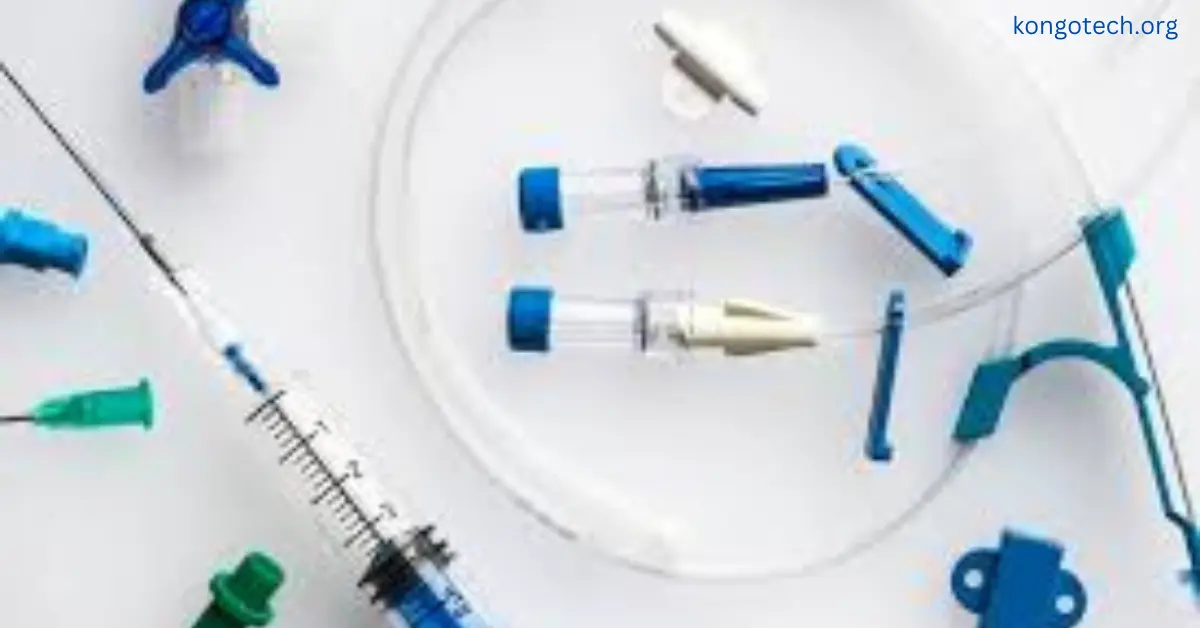
Precision medical injection Molding has revolutionized the healthcare industry, offering unparalleled advantages in terms of cost, precision, and performance. In this article, we’ll delve into the reasons why precision medical injection Molding stands out as a preferred manufacturing process for medical devices, implants, and various components used in healthcare.
Introduction to Precision Medical Injection Molding
Precision Medical Molding involves the production of intricate and highly precise components using specialized injection Molding techniques. This method is particularly tailored to meet the stringent requirements of the medical field, where precision and quality are paramount.
Advantages of Precision Medical Injection Molding
Cost-Effectiveness
Precision medical injection Molding offers cost-effective production solutions, especially for high-volume manufacturing. The process allows for efficient material usage, minimizing waste and reducing overall production costs.
High Precision and Accuracy
One of the key advantages of precision medical injection Molding is its ability to produce components with exceptional precision and accuracy. This ensures consistency and uniformity in the manufactured parts, meeting the exact specifications required for medical applications.
Material Flexibility
Precision medical injection Molding supports a wide range of materials, including various thermoplastics and elastomers. This versatility enables manufacturers to choose materials tailored to specific medical applications, ensuring optimal performance and durability.
Applications in Medical Industry
Precision medical injection Molding finds extensive applications across the medical industry, including:
Medical Devices
From syringes to surgical instruments, precision injection Medical Molding plays a crucial role in the production of medical devices. The process allows for the creation of complex geometries and intricate designs, meeting the diverse needs of medical professionals.
Implants and Prosthetics
Precision injection Molding enables the fabrication of customized implants and prosthetic components with exceptional precision and biocompatibility. This ensures a perfect fit and enhanced patient comfort, improving overall treatment outcomes.
Drug Delivery Systems
Precision medical injection Molding is instrumental in the production of drug delivery systems such as inhalers, insulin pens, and infusion pumps. The process allows for precise dosing and reliable performance, enhancing the efficacy of pharmaceutical treatments.
Quality Assurance and Regulatory Compliance
Precision medical injection Molding adheres to stringent quality standards and regulatory requirements, including ISO certifications and FDA regulations. This ensures the safety, reliability, and compliance of medical components with established industry standards.
Customization and Design Freedom
Precision medical injection Molding offers unparalleled customization capabilities and design freedom, allowing for the creation of complex geometries, tight tolerances, and multi-component assemblies.
Enhanced Performance and Reliability
Components produced through precision medical injection Molding exhibit superior performance and reliability, thanks to their excellent biocompatibility, durability, and compatibility with sterilization processes.
Sustainable Practices and Environmental Considerations
Precision medical injection Molding promotes sustainable manufacturing practices by minimizing material waste, optimizing energy usage, and reducing environmental impact. This aligns with the growing emphasis on sustainability within the healthcare industry.
Conclusion
In conclusion, precision medical injection Molding emerges as the preferred manufacturing process for medical applications due to its cost-effectiveness, precision, versatility, and compliance with regulatory standards. By leveraging the advantages of precision injection Molding, healthcare professionals can enhance patient care and improve treatment outcomes.
9. FAQs
Q1: Is precision medical injection Molding suitable for small-scale production?
Yes, precision medical injection Molding is suitable for both small-scale and large-scale production, offering cost-effective solutions for various manufacturing volumes.
Q2: How does precision injection Molding ensure biocompatibility?
Precision injection Molding allows for the use of biocompatible materials and ensures strict adherence to regulatory standards, ensuring the safety and biocompatibility of medical components.
Q3: Can precision medical injection Molding accommodate complex geometries?
Yes, precision medical injection Molding can accommodate complex geometries and intricate designs, enabling the production of highly customized medical components.
Q4: What are the sterilization methods compatible with components produced through precision injection Molding?
Components produced through precision injection Molding are compatible with various sterilization methods, including steam sterilization, ethylene oxide (EO) sterilization, and gamma irradiation.
