

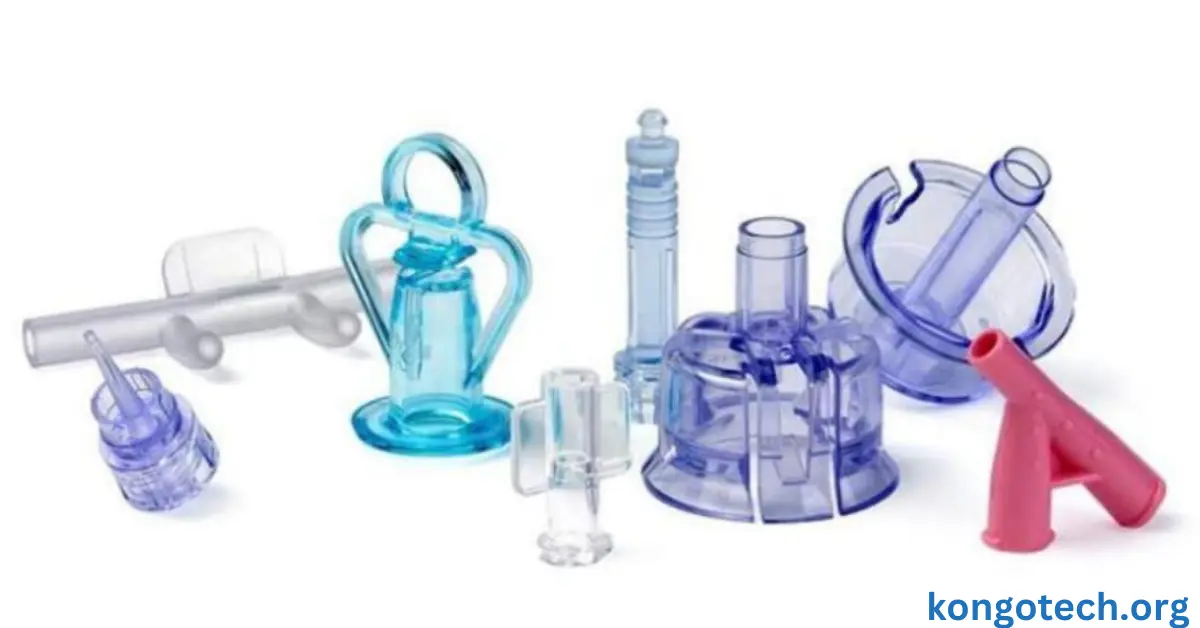
Injection molding has revolutionized the production of medical devices, offering efficiency, precision, and versatility. In the healthcare industry, where reliability and safety are paramount, medical injection molding machines play a crucial role in manufacturing various products. Let’s delve into the main products fabricated by these machines and their significance in the medical sector.
Introduction
Medical injection Molding machines are sophisticated equipment used to produce a wide array of medical devices and components. From simple syringes to complex surgical instruments, these machines facilitate the manufacturing of essential healthcare products with unparalleled accuracy and consistency.
Overview of Medical Injection Molding
In the realm of medical manufacturing, injection molding stands out for its ability to mass-produce intricate parts with minimal material waste. This process involves injecting molten material into a mold cavity, where it cools and solidifies to form the desired product. The seamless integration of automation and computer-controlled systems ensures high precision and repeatability, making it ideal for medical applications.
Main Products of a Medical Injection Molding Machine
1. Syringes
Syringes are among the most ubiquitous medical devices produced using injection molding. They come in various sizes and configurations, serving multiple purposes such as medication administration, blood collection, and fluid aspiration.
2. IV Components
Intravenous (IV) therapy relies on injection-molded components like drip chambers, connectors, and catheter hubs. These components are designed to ensure sterile and secure delivery of fluids and medications to patients.
3. Catheters
Catheters used for drainage, infusion, or diagnostic procedures are often manufactured through injection molding. These devices require precise dimensions and biocompatible materials to minimize patient discomfort and reduce the risk of complications.
4. Drug Delivery Systems
Injection-molded drug delivery systems include insulin pens, inhalers, and implantable pumps. These devices enable controlled and targeted administration of medications, enhancing patient adherence and therapeutic outcomes.
5. Surgical Instruments
Many surgical instruments, such as forceps, scalpel handles, and trocars, are produced using injection molding techniques. The ability to mold complex shapes with high durability makes them indispensable in surgical procedures.
6. Respiratory Masks
Respiratory masks, including oxygen masks and nebulizer masks, are manufactured using medical-grade materials via injection molding. These masks ensure effective delivery of respiratory therapy and maintain patient comfort during treatment.
7. Orthopedic Implants
Orthopedic implants like joint prostheses and bone plates are often fabricated through injection molding processes. Biocompatible materials and precise molding techniques are essential to meet the stringent requirements of orthopedic surgery.
8. Dental Components
Dental products such as trays, braces, and prosthetic appliances benefit from the precision and customization offered by injection molding. Dental professionals rely on these components for accurate diagnosis, treatment, and patient care.
Materials Used in Medical Injection Molding
Medical-Grade Plastics
The majority of medical devices are made from specialized plastics that meet strict regulatory standards for biocompatibility and chemical resistance. Common materials include polypropylene, polyethylene, and polycarbonate.
Silicone
Silicone elastomers are widely used in medical injection molding due to their flexibility, durability, and biocompatibility. They are preferred for applications requiring soft-touch surfaces or skin contact, such as medical tubing and seals.
Thermoplastic Elastomers (TPE)
TPEs offer a unique combination of rubber-like elasticity and thermoplastic processability, making them suitable for a variety of medical applications. They are often used in overmolding or two-shot molding to create ergonomic grips and cushioning components.
Regulatory Compliance and Quality Assurance
Medical injection molding must adhere to stringent regulatory requirements to ensure product safety and efficacy. Manufacturers must comply with FDA regulations and obtain ISO certifications for quality management systems to guarantee consistency and traceability throughout the production process.
Advantages of Medical Injection Molding
Injection molding offers several advantages over traditional manufacturing methods in the medical industry:
- Cost-effectiveness: Mass production reduces per-unit costs, making medical devices more affordable.
- Design flexibility: Complex geometries and intricate features can be achieved with minimal tooling modifications.
- Production scalability: Injection molding can accommodate varying production volumes, from prototypes to high-volume production runs.
Challenges in Medical Injection Molding
Despite its numerous benefits, medical injection molding poses some challenges:
- Sterilization requirements: Medical devices must withstand rigorous sterilization processes without compromising their integrity or functionality.
- Material selection: Choosing the right materials is crucial to ensure biocompatibility, chemical resistance, and mechanical properties.
- Precision and tolerance levels: Tight tolerances are essential for medical devices to perform reliably and meet regulatory standards.
Future Trends in Medical Injection Molding
The future of medical injection molding is shaped by emerging technologies and industry trends:
- 3D printing integration: Additive manufacturing techniques are being integrated into injection molding processes to enhance design flexibility and reduce lead times.
- Smart manufacturing technologies: IoT-enabled machines and real-time monitoring systems improve process control, quality assurance, and predictive maintenance.
ConclusionMedical Injection Molding machines play a vital role in producing a diverse range of medical products with precision, efficiency, and compliance. From essential consumables like syringes and IV components to complex surgical instruments and implants, these machines enable the delivery of safe and effective healthcare solutions.
