

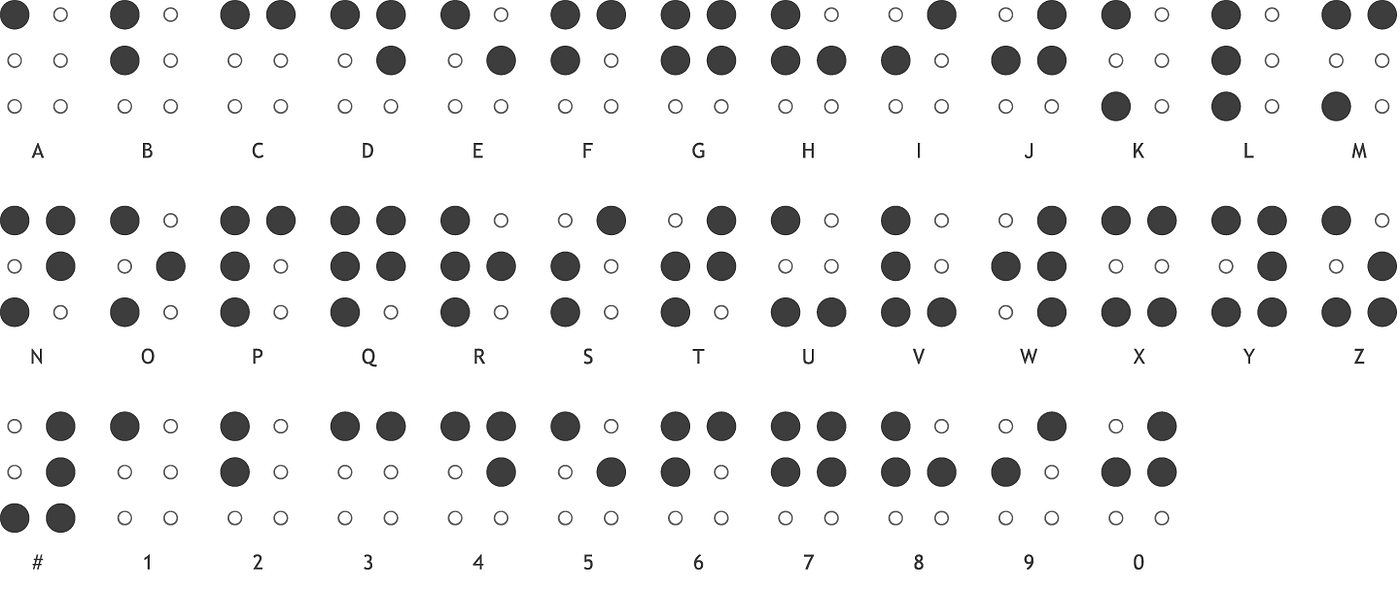
In the vast realm of human communication, where language serves as a beacon guiding us through the labyrinth of knowledge and culture, two remarkable scripts stand out for their unique contributions: Braille and Hieroglyphics. Each, in its own way, represents a triumph of human ingenuity and a testament to the enduring power of written language. At the heart of their significance lies a dedicated cadre of translators, whose expertise and commitment enrich our understanding of accessibility and heritage.
Braille Translators: Empowering Through Touch
Since its inception by Louis Braille in the 19th century, the Braille system has served as a lifeline for individuals with visual impairments, offering them a tactile gateway to the world of literature, education, and information. Central to the dissemination of Braille literature and materials are Braille translators, who possess the unique ability to convert conventional text into raised dots, thus enabling individuals with visual impairments to read and write independently.
The benefits of Braille translators extend far beyond mere conversion; they serve as advocates for inclusivity and equal access to information. By ensuring that written content is accessible to individuals with visual impairments, Braille translator empowers them to pursue educational and professional opportunities, engage with their communities, and participate fully in cultural and social activities.
Hieroglyphics Translators: Decrypting Ancient Mysteries
In the realm of ancient civilizations, the enigmatic symbols of Hieroglyphics stand as a testament to the ingenuity and sophistication of cultures long past. Deciphering the secrets of Hieroglyphics requires a blend of linguistic acumen, historical context, and archaeological insight, a task expertly undertaken by Hieroglyphics translators.
These translators play a vital role in unlocking the mysteries of the past, translating inscriptions found on ancient artifacts, temple walls, and tombs. Through their meticulous work, scholars gain valuable insights into the religious beliefs, cultural practices, and historical events of ancient civilizations, thus enriching our understanding of human history and heritage.
Hieroglyphics Translator: https://nextranslator.com/hieroglyphics
Conclusion: Nurturing Inclusivity and Preserving Legacy
In a world characterized by diversity and complexity, Braille and Hieroglyphics translators serve as custodians of accessibility and heritage. Through their dedication and expertise, they empower individuals with visual impairments to navigate the written word with confidence and independence, while also preserving the rich tapestry of human history for future generations.
As we celebrate the contributions of Braille and Hieroglyphics translators, let us recognize the profound impact of their work in fostering inclusivity, promoting cultural understanding, and nurturing a sense of connection across time and space. By illuminating the path through language, these translators pave the way for a more accessible, inclusive, and enlightened society for all.
