

Introduction
Gutter installation plays an essential position in protecting your home from water damage, they channel rainwater far from your roof and base, preventing ability issues including leaks, mold increase, and structural damage. While hiring specialists for gutter installation is an alternative, taking the DIY path can save money and come with the pleasure of completing a domestic development project on your own.
Understanding Gutter Systems
Before diving into the installation method, it’s crucial to recognize the additives and types of gutter systems.
Components of a Gutter System
A regular gutter machine consists of:
- Gutters: Channels that collect and direct rainwater.
- Downspouts: Vertical pipes that deliver water from the gutters to the ground.
- Brackets and hangers: Supports that stable the gutters to the roofline.
- End caps, elbows, and joints: Connectors and closures for the gutter sections.
Types of Gutters
Gutters are available in diverse substances and styles:
- Aluminum: Lightweight, rust-resistant, and easy to install.
- Vinyl: Affordable and clean to cut but may additionally emerge as brittle in bloodless weather.
- Steel: Durable and strong, but prone to rust without proper maintenance.
- Copper: Aesthetically appealing and lengthy-lasting, however high priced.
Tools and Materials Needed
Gathering the right gear and substances is critical for a hit DIY gutter setup.
- Essential Tools
- Ladder
- Measuring tape
- Hacksaw or energy saw
- Drill and bits
- Level
- Chalk line
- Rivet gun
- Caulking gun
Recommended Materials
- Gutters and downspouts
- Gutter brackets and hangers
- Screws and rivets
- Silicone sealant
- Splash blocks or drainage extensions
Preparation Steps
Proper instruction can make the setup manner smoother and more efficient.
Measuring Your Roofline
Measure the period of your roofline to decide how much guttering you need. Ensure you account for any corners and downspout places.
Calculating the Slope
Gutters need to slope toward the downspouts to ensure the right water glide. A standard slope is set 1/four inch for each 10 feet of gutter.
Purchasing the Right Gutters and Accessories
Buy gutters, downspouts, and accessories based totally on your measurements and fabric choice. Ensure you have all of the important additives before starting.
Safety First
Safety is paramount while working on gutter setup.
Safety Gear
Wear gloves, protection glasses, and non-slip footwear to shield yourself at some stage in the setup procedure.
Ladder Safety Tips
Ensure your ladder is solid and located on a flat surface. Always hold 3 points of contact with the ladder and by no means overreach.
Working at Heights
Be careful whilst working at heights. Consider the usage of a harness for introduced safety, in particular on steep or excessive roofs.
Step-by way of-Step Installation Guide
Follow the steps to install your gutters efficiently:
Removing Old Gutters
If you are replacing present gutters, cautiously cast off them with the use of a drill or screwdriver, be careful of nails or screws that may still be in location.
Installing Gutter Brackets
Mark the desired slope at the fascia board using a chalk line. Install the gutter brackets along the line, spacing them approximately 2 toes apart for good enough aid.
Cutting Gutters to Size
Measure and reduce the gutters to suit your roofline with the usage of a hacksaw or energy saw. Ensure the cuts are smooth and immediate.
Connecting Gutter Sections
Join gutter sections using connectors or by using overlapping them barely. Use rivets or screws to secure the joints and apply silicone sealant to save you from leaks.
Installing Downspouts
Attach downspout elbows to the gutter retailers and secure them with screws. Connect the downspouts to the elbows and make certain they attain the ground or a drainage machine.
Sealing joints and connections
Apply silicone sealant to all joints and connections to prevent water leaks, ensure the sealant is lightly carried out and cured earlier than trying out the system.
Ensuring Proper Water Flow
After installation, take a look at the slope and water flow to ensure your gutters feature efficaciously.
Checking the Slope
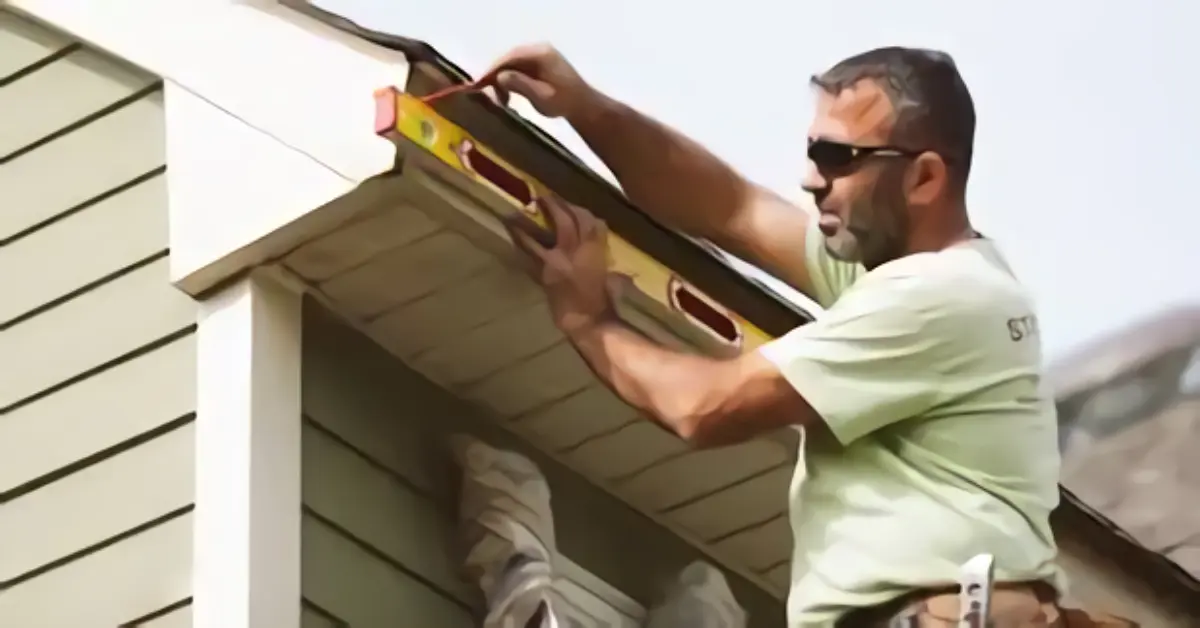
Use a level to verify the slope of the gutters. Adjust the brackets if vital to maintain a constant slope in the direction of the downspouts.
Testing Water Flow
Pour water into the gutters to test the go-with-the-flow. Ensure the water acts easily toward the downspouts without pooling or overflowing.
Making Adjustments if Necessary
If you observe any issues with water flow, make the essential adjustments to the slope or connections to make certain superior overall performance.
Common Mistakes to Avoid
Avoid these commonplace mistakes to ensure a hit gutter installation:
Incorrect Slope
A mistaken slope can cause water pooling and useless drainage. Always double-check the slope at some point during installation.
Poor Sealing
Inadequate sealing can cause leaks and water harm. Ensure all joints and connections are very well sealed with silicone.
Inadequate Support
An insufficient guide can motivate gutters to sag or detach from the roofline. Use sufficient brackets and hangers to provide robust support.
Maintenance Tips
Proper upkeep is key to extending the lifespan of your gutters:
Regular Cleaning
Clean your gutters at least twice every 12 months to remove leaves, debris, and dust, use a scoop or lawn hose to clean the gutters.
Inspecting for Damage
Regularly check out your gutters for symptoms of damage, which include cracks, rust, or unfastened connections. Repair any problems right away to prevent additional harm.
Seasonal Maintenance
Perform seasonal renovation to put together your gutters for extraordinary climate situations. For example, dispose of ice dams in winter and test for clogs for the duration of the wet season.
Conclusion
Installing gutters yourself can be a profitable task that protects your property and saves you cash. By following the stairs outlined in this guide and warding off common errors, you could acquire a hit DIY gutter setup. Remember to prioritize protection and carry out an ordinary renovation to maintain your gutters in pinnacle situations.
FAQs
How long does it take to put in gutters?
The time required for gutter set up depends on the dimensions of your house and your revel in degree, in common, it could take some hours to a complete day.
What form of gutter is first-rate for my home?
The excellent form of gutter relies upon your budget, climate, and aesthetic alternatives, aluminum and vinyl are popular choices because of their affordability and sturdiness.
Can I set up gutters on my own?
Yes, with the proper equipment, substances, and training, you may deploy gutters yourself. However, in case you’re uncertain or uncomfortable with the manner, do not forget to hire a professional.
How often need to I smooth my gutters?
Clean your gutters at least twice a year, ideally inside the spring and fall, more frequent cleaning may be essential when you have overhanging trees or enjoy heavy rainfall.
What are the signs and symptoms that I need new gutters?
Signs that you need new gutters consist of visible cracks, rust, sagging, common clogs, and water damage around the inspiration or roofline.
