

Botox has become a household name, widely recognized for its cosmetic benefits. Yet, the science behind this popular treatment can be as enigmatic as it is fascinating.
From the biochemistry of how Botox works to the expectations you should have before, during, and after treatment, understanding the process can help you make informed decisions about whether it’s right for you.
In this comprehensive guide, we’ll explore the science behind Botox, how it functions, and what you can expect from the procedure.
Understanding Botox: A Brief Overview
Botox, short for Botulinum Toxin Type A, is a neurotoxin produced by the bacterium Clostridium botulinum. Although it’s often associated with cosmetic treatments, Botox was originally developed for medical uses, such as treating muscle spasms and migraines. Its main role is to interfere with nerve signals to muscles, leading to their temporary paralysis.
This effect is what makes Botox so effective in reducing wrinkles and fine lines. The treatment has gained popularity in places like Green Relief Health in Baltimore, where skilled practitioners like Dr. Lauren Nawrocki utilize Botox to enhance patients’ appearance safely and effectively.
How Botox Works: The Biochemistry
At its core, Botox works by inhibiting the release of acetylcholine, a neurotransmitter that signals muscle contractions. When Botox is injected into specific muscles, it prevents acetylcholine from reaching the muscle fibers, causing temporary paralysis.
This process smooths out the overactive muscles responsible for creating lines and wrinkles. It’s a precise science: only a small amount of Botox is required to achieve noticeable results without affecting other areas of the face or body.
The Procedure: What to Expect Before and During Treatment
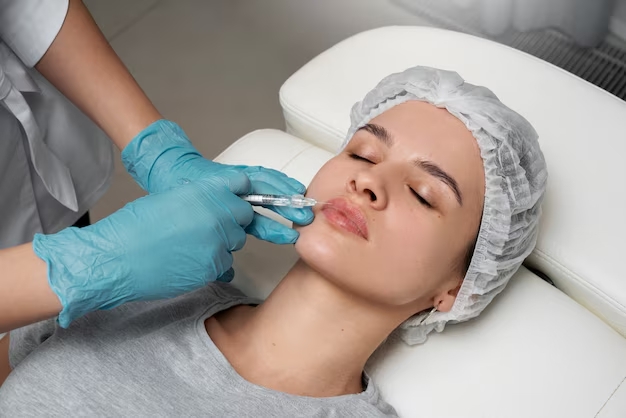
Prior to your Botox treatment, you’ll meet with your practitioner to go over your goals and medical background. During the procedure, which typically lasts about 10 to 15 minutes, Botox is injected into targeted muscles using a fine needle.
Most patients experience only minor discomfort during the injections, often likened to a slight pinch. The downtime is minimal; you can usually resume normal activities immediately after treatment.
At Green Relief Health, the staff ensures that every step of the process is handled with precision and care to maximize your comfort and results.
Immediate Aftercare: Post-Treatment Tips
To ensure optimal Botox results, refrain from rubbing or massaging the injection sites for 24 hours post-treatment. This helps prevent the toxin from migrating to unintended muscles.
Additionally, you should refrain from strenuous exercise and excessive heat for a short period, as these activities can potentially affect the results.
If you experience any unusual symptoms or concerns, it’s important to contact your practitioner at Green Relief Health, where Dr. Lauren Nawrocki and her team are dedicated to providing comprehensive aftercare.
Common Side Effects: What to Watch For
After receiving Botox, most individuals experience only minimal and temporary side effects. Common symptoms are minor bruising, redness, or swelling at the injection sites. These symptoms typically subside within a few days.
Occasionally, patients may experience headaches or flu-like symptoms, but these are generally rare and short-lived. If you have any severe or prolonged side effects, seeking medical advice from your healthcare provider is essential to address your concerns promptly.
Results and Longevity: What to Expect Over Time
The initial effects of Botox are typically seen within 3 to 7 days, while the final results are usually evident after around two weeks. The duration of these results varies, but most people find that Botox lasts between 3 to 6 months before the muscle activity gradually returns.
Ongoing Botox treatments can sustain your desired look and might extend the period before you need your next session. Dr. Lauren Nawrocki at Green Relief Health can provide guidance on the best treatment schedule based on your individual needs and goals.
Botox for Medical Uses: Beyond Cosmetic Benefits
While Botox is famously known for its cosmetic applications, it has several medical uses as well. It can be effective in treating conditions such as chronic migraines, excessive sweating (hyperhidrosis), and certain types of muscle spasticity.
By addressing these issues, Botox can significantly improve quality of life for many individuals. The versatility of Botox is a testament to its powerful effects, both cosmetically and medically.
Finding the Right Practitioner: Why Experience Matters
Choosing the right practitioner is crucial for achieving the best results with Botox. An experienced injector, like those at Green Relief Health, can tailor the treatment to your unique facial anatomy and aesthetic goals.
Dr. Lauren Nawrocki, for instance, combines years of expertise with a keen eye for detail to ensure that each treatment is both effective and safe. When selecting a provider, it’s essential to consider their qualifications, experience, and patient reviews to ensure you receive high-quality care.
Conclusion: Embracing the Science of Botox
Botox offers a fascinating glimpse into the intersection of science and beauty. By understanding how Botox works, what to expect during and after treatment, and the potential benefits beyond cosmetic enhancements, you can decide whether it’s right for you.
Whether you’re seeking to smooth out wrinkles or address medical issues, Botox continues to be a versatile and effective option. For personalized advice and expert care, consider visiting Green Relief Health in Baltimore, where professionals like Dr. Lauren Nawrocki are dedicated to helping you achieve your best results.
