

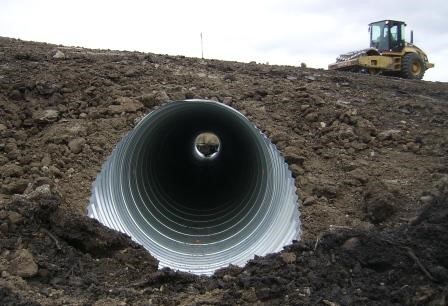
Effective water management is one of the cornerstones of maintaining a healthy, durable property. Whether you’re dealing with heavy rainfall, stormwater runoff, or ensuring long-term landscape health, managing water flow is essential. Culvert installation plays a vital role in controlling water movement, preventing flooding, and protecting property from erosion.
In this article, we’ll explore what culverts are, how they function, and why installing them can significantly enhance your property’s drainage system.
1. What is a Culvert?
At its core, a culvert is a tunnel-like structure designed to allow water to flow underneath roads, driveways, railways, or other obstructions. They are typically made from materials such as concrete, steel, or plastic, depending on the project’s requirements.
Culverts are not just about water drainage; they are integral to preventing erosion, stabilizing landscapes, and ensuring that water doesn’t cause damage to infrastructure. The strategic installation of culverts allows water to be directed in an efficient and controlled manner.
2. The Role of Culverts in Water Management
Culverts play a crucial role in managing stormwater and excess surface water, particularly in areas that are prone to heavy rainfall or flooding. Without proper culvert systems, water would accumulate in low-lying areas, potentially causing damage to both the property and surrounding infrastructure.
Preventing Flooding
Flooding can wreak havoc on a property, leading to extensive damage to buildings, foundations, and landscapes. By installing a culvert, water can be safely directed away from vulnerable areas, minimizing the risk of standing water or flooding. Culverts act as conduits, directing water under obstacles such as driveways, roads, or embankments, rather than allowing it to pool and overflow.
Reducing Soil Erosion
Water runoff, when not managed properly, can lead to significant soil erosion. As water flows across the surface, it picks up loose soil, gradually wearing away landscapes and weakening foundations. Culvert installation helps control the speed and direction of water flow, reducing the risk of erosion and protecting your property’s terrain.
Proper culvert systems ensure that water is channeled efficiently into drainage areas, preserving the integrity of the land and preventing long-term damage.
3. Types of Culverts and Their Applications
Culverts come in various shapes and sizes, each designed to suit different water flow needs and structural requirements. Choosing the right type of culvert for your property is essential for ensuring effective water management.
Round Culverts
One of the most common types of culverts is the round culvert. These are often used in residential and small commercial projects where moderate water flow needs to be directed. Round culverts are highly versatile and easy to install, making them a popular choice for many property owners.
Box Culverts
Box culverts, as the name suggests, are rectangular or square in shape. They are often used in projects that require the management of larger volumes of water, such as under roads or highways. Box culverts provide more stability in heavy traffic areas and are well-suited for properties with higher water flow rates.
Arch Culverts
For areas that require high clearance for water flow, arch culverts are an excellent option. These culverts are often used in rural or natural environments where minimal disruption to the landscape is desired. Arch culverts are particularly useful for managing water in areas prone to heavy runoff while maintaining the natural aesthetic of the terrain.
Pipe Culverts
Pipe culverts are cylindrical and can vary in diameter depending on the volume of water they need to manage. These culverts are commonly used in residential areas and can be made from materials like concrete or corrugated metal. Pipe culverts are effective for managing smaller water flows and are often installed under driveways or smaller access roads.
4. Steps Involved in Culvert Installation
Installing a culvert requires careful planning, precise execution, and an understanding of the land’s natural drainage patterns. While it may seem like a straightforward process, proper installation ensures that the culvert functions effectively and lasts for years to come.
Site Assessment
The first step in culvert installation is a thorough assessment of the property’s water flow and terrain. Professionals will evaluate the natural water drainage patterns and identify the best location for the culvert. This step is crucial for ensuring that the culvert will effectively manage water and prevent future flooding or erosion.
Excavation
Once the site is assessed, the next step is to excavate the area where the culvert will be installed. This involves digging a trench that is large enough to accommodate the culvert and ensure proper water flow. Excavation must be done with precision to ensure that the culvert is level and in the correct position.
Placement and Backfilling
After the trench is prepared, the culvert is placed into position. Depending on the type of culvert being installed, this may require heavy machinery. Once the culvert is in place, the area around it is backfilled with soil and compacted to ensure stability. This step helps prevent shifting or settling of the culvert over time.
Final Grading
The final step in culvert installation is grading the surrounding area to ensure proper water flow. The land is sloped away from the culvert, allowing water to flow smoothly through the culvert and into designated drainage areas. Proper grading ensures that the culvert performs as intended and prevents water from pooling or flooding around the installation site.
5. Why Professional Culvert Installation is Important
While some property owners may consider culvert installation a DIY project, there are several advantages to working with professionals. Improperly installed culverts can lead to drainage issues, flooding, or even structural damage.
Ensuring Correct Sizing and Placement
One of the biggest challenges in culvert installation is selecting the right size and type of culvert for the property. Professional installers have the expertise to determine the appropriate dimensions for the culvert based on the volume of water flow and the terrain. Incorrect sizing can lead to water backups, erosion, or failure of the culvert system.
Additionally, proper placement is essential for the culvert to function effectively. Installing a culvert too high or too low can disrupt water flow and lead to issues like flooding or sediment buildup.
Complying with Regulations
Culvert installation often requires compliance with local regulations and permitting. Professional contractors, such as those at ADG Home Services, are familiar with these requirements and can ensure that the installation meets all necessary guidelines. This prevents potential legal issues down the road and ensures that the culvert is installed safely and responsibly.
6. Maintenance Tips for Longevity
Once a culvert is installed, regular maintenance is key to ensuring its longevity and effectiveness. Like any drainage system, culverts can become clogged or damaged over time if not properly maintained.
Clearing Debris
One of the most common culvert maintenance tasks is clearing debris from the entrance and exit of the culvert. Leaves, branches, and other debris can accumulate and block water flow, leading to backups and potential flooding. Regularly inspecting and clearing the culvert ensures that it remains free-flowing and effective.
Inspecting for Erosion
Over time, water flow can cause erosion around the culvert, especially in areas with heavy rainfall or high water velocity. Inspecting the culvert for signs of erosion and addressing any issues promptly can prevent further damage and ensure the culvert remains stable.
Monitoring for Structural Damage
Culverts made from materials like concrete or metal can deteriorate over time due to weathering or corrosion. Regularly inspecting the culvert for cracks, rust, or other signs of wear can help catch problems early and prevent costly repairs.
Conclusion: The Importance of Culverts in Water Management
Proper culvert installation is essential for managing water flow, preventing erosion, and protecting your property from flooding. By directing water safely and efficiently, culverts play a vital role in maintaining a stable and secure landscape.
Whether you’re installing a culvert under a driveway, road, or natural embankment, working with professionals like ADG Home Services ensures that the installation is done correctly, with attention to detail and long-term performance in mind. Investing in a well-installed culvert system can save you from water-related headaches down the line and help maintain the integrity of your property for years to come.
