

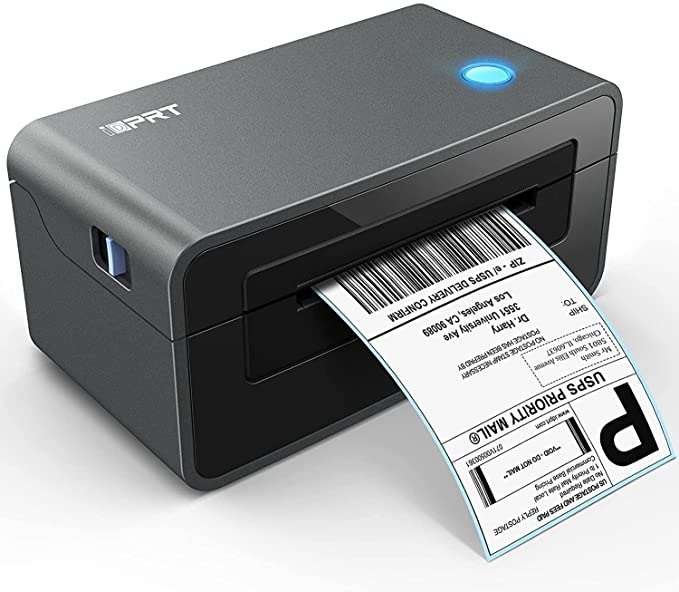
In the competitive landscape of e-commerce and logistics, delivering packages efficiently and accurately is paramount. One essential component of this process is the shipping label. A professional shipping label printer can make all the difference in ensuring that your labels are clear, durable, and effective in communicating vital information. This article will guide you through the process of selecting the perfect shipping label printer, covering critical features, types of printers, and considerations to keep in mind.
Understanding the Role of Shipping Labels
Shipping labels serve a crucial role in the logistics chain, containing important information such as the recipient’s address, tracking numbers, barcodes, and shipping instructions. A well-printed shipping label ensures that packages are delivered accurately and on time. High-quality labels not only enhance operational efficiency but also reflect your brand’s professionalism. Investing in the right shipping label printer is essential for producing labels that meet the demands of your business and provide a positive customer experience.
Types of Shipping Label Printers
When it comes to selecting a shipping label printer, there are primarily two types to consider: direct thermal printers and thermal transfer printers.
Direct Thermal Printers: These printers use heat to create images directly on heat-sensitive labels. They are ideal for short-term applications, such as shipping labels that don’t require long-term durability. Direct thermal printing is typically faster and requires less maintenance, making it a popular choice for businesses with moderate shipping volumes. However, the labels may fade over time, especially when exposed to sunlight or high temperatures.
Thermal Transfer Printers: Unlike direct thermal printers, thermal transfer printers utilize a ribbon to transfer ink onto labels. This method produces more durable and long-lasting prints, making it suitable for applications that require resistance to moisture, abrasion, and extreme temperatures. If your shipping labels need to withstand various environmental conditions, a thermal transfer printer is often the better option, despite its potentially higher upfront costs.
Key Features to Consider
When selecting a shipping label printer, several key features can enhance your labeling process and overall efficiency. Print speed is one of the most crucial factors. A printer that can produce labels quickly is essential during peak shipping periods. Look for models that can print at least 4 inches per second to meet your volume requirements.
Print resolution is another vital consideration. A minimum resolution of 300 DPI is recommended to ensure that barcodes and small text are crisp and easily scannable. This is essential for maintaining the accuracy of shipping information and ensuring smooth processing through logistics systems.
Connectivity options are also worth examining. Many modern shipping label printers offer USB, Bluetooth, and Wi-Fi capabilities, allowing for seamless integration with your existing systems. Features such as automatic label cutting, built-in sensors for label detection, and user-friendly interfaces can further streamline your labeling process, making it easier to produce high-quality labels efficiently.
Assessing Your Specific Labeling Needs
Before making a purchase, it’s crucial to assess your specific labeling needs. Consider factors such as the volume of shipping labels you produce daily, the types of labels required, and the environments in which they will be used. For example, if your business involves high-volume shipping, you’ll need a printer that can handle a large number of labels quickly and reliably.
Additionally, evaluate the size and type of shipping labels you typically use. Some printers are designed for standard label sizes, while others can accommodate a wider range of dimensions. Understanding your specific requirements will help you choose a shipping label printer that aligns perfectly with your operational needs.
Budget Considerations
Cost is an important factor when selecting a shipping label printer. While it may be tempting to choose the cheapest option available, it’s essential to consider the total cost of ownership. This includes not only the initial purchase price of the printer but also ongoing costs for shipping labels, ribbons (for thermal transfer printers), and maintenance.
Investing in a higher-quality shipping label printer may involve a larger upfront investment, but it can save you money in the long run by reducing waste and improving efficiency. Additionally, consider the cost of thermal printer labels; purchasing in bulk can often lead to significant savings. Striking a balance between quality and budget is crucial to ensure that your investment meets your business goals.
Evaluating Brand Reputation and Support
The reputation of the brand you choose for your shipping label printer can significantly influence your overall satisfaction with the product. Research various manufacturers, read customer reviews, and seek recommendations from industry peers. A well-established brand is more likely to provide reliable products and excellent customer service.
Furthermore, consider the availability of warranty options and technical support. Brands that offer comprehensive customer support can help you troubleshoot issues quickly, ensuring that your shipping operations run smoothly. This level of assistance can be invaluable, especially if you encounter technical difficulties that could disrupt your workflow.
Conclusion
Selecting the perfect shipping label printer for professional shipping labels is an essential step in optimizing your logistics operations. By understanding the different types of printers available, assessing your specific labeling needs, and considering key features, you can make informed decisions that enhance your workflow. Budgeting effectively and choosing a reputable brand will ensure your labeling solutions are efficient and cost-effective. With the right shipping label printer in place, you can streamline your shipping processes, improve accuracy, and ultimately achieve greater success in your business endeavors. Investing in quality printing solutions is not just about creating labels; it’s about building a robust foundation for your shipping strategy that can adapt and grow with your business.
